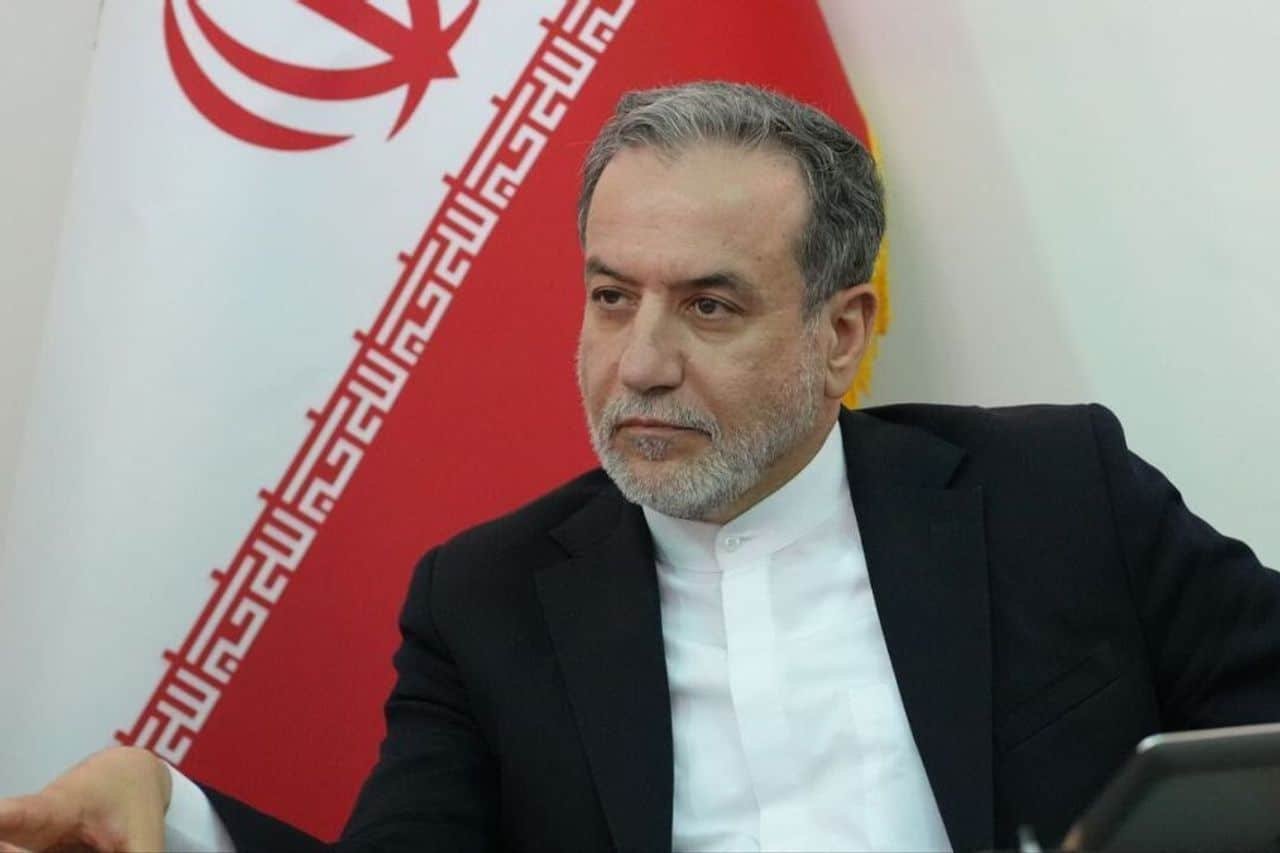




Tensions in the Middle East have escalated following accusations from Iranian Foreign Minister Abbas Araghchi, who has publicly criticized the United Arab Emirates (UAE) for allegedly colluding with Israel. Araghchi’s remarks, made on X, come amidst conflicting reports regarding a secret visit by Israeli Prime Minister Benjamin Netanyahu to the UAE during the recent conflict with Iran.
According to Araghchi, “Netanyahu has now publicly revealed what Iran’s security services long ago conveyed” to Iranian leadership, adding that “Enmity with the Great People of Iran is a foolish gamble. Collusion with Israel in doing so: unforgivable.”
Netanyahu has now publicly revealed what Iran’s security services long ago conveyed to our leadership.
Enmity with the Great People of Iran is a foolish gamble. Collusion with Israel in doing so: unforgivable.
Those colluding with Israel to sow division will be held to account.
— Seyed Abbas Araghchi (@araghchi) May 13, 2026
The UAE Foreign Ministry has responded by denying reports of a secret visit by Netanyahu and the presence of any Israeli military delegation in the country. The ministry emphasized that its relations with Israel are “public” and “not based on non-transparent or unofficial arrangements,” dismissing any claims of unannounced visits or undisclosed arrangements as “entirely unfounded unless officially announced by the relevant authorities in the UAE.”
UAE Denies Reports Regarding Visit by Israeli Prime Minister or Receiving Any Israeli Military Delegation pic.twitter.com/TRX9y5ZoVN
— MoFA وزارة الخارجية (@mofauae) May 13, 2026
The controversy follows an announcement by Netanyahu’s office stating that he had “paid a secret visit to the United Arab Emirates” during the war, “where he met with UAE President Sheikh Mohammed bin Zayed Al Nahyan.” This announcement coincided with comments from former US ambassador to Israel Mike Huckabee that Israel had sent its Iron Dome air defence systems and personnel to the UAE during the conflict.
While Netanyahu’s office stopped short of confirming Huckabee’s comments, it claimed the visit “marked a historic breakthrough in relations between Israel and the United Arab Emirates.”
Prime Minister’s Office Statement:
In the midst of Operation Roaring Lion, Prime Minister Benjamin Netanyahu secretly visited the United Arab Emirates, where he met with UAE President Sheikh Mohamed bin Zayed.
— Prime Minister of Israel (@IsraeliPM) May 13, 2026
The recent conflict was sparked by alleged US-Israeli strikes on Iran, leading to Iran targeting the UAE more than any other country during the war. Despite a ceasefire that came into effect last month, the UAE has reported multiple missile and drone attacks from Iran.
The UAE, a key US ally in the region, established official ties with Israel through the Abraham Accords in 2020, brokered during the Trump administration.
Critical Analysis
This situation highlights the complex and volatile dynamics in the Middle East. Araghchi’s strong condemnation reflects Iran’s deep-seated distrust of Israel and its allies, particularly the UAE, which normalized relations with Israel under the Abraham Accords. The conflicting reports surrounding Netanyahu’s alleged visit further fuel speculation and mistrust.
The UAE’s denial of the visit, while asserting its open relationship with Israel, suggests a desire to manage perceptions both domestically and regionally. The country likely seeks to balance its strategic alliance with the US and Israel with the need to maintain stability and avoid direct confrontation with Iran.
The timing of these events is significant, occurring shortly after a ceasefire and amidst ongoing tensions. The accusations and denials could potentially undermine the fragile peace and escalate regional tensions, particularly if Iran perceives the UAE as a direct security threat due to its ties with Israel. The situation warrants close monitoring, as it could have significant implications for regional stability and the broader geopolitical landscape.