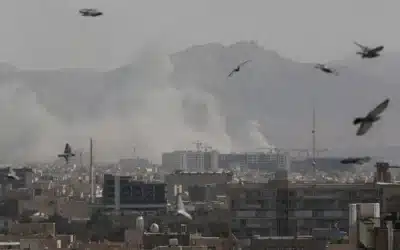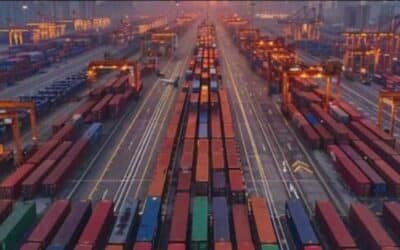
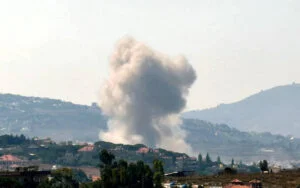



Despite intensified conflict in the Middle East and widespread disruption to shipping in the Strait of Hormuz, Iran has managed to sustain significant oil exports through the strategic waterway.
Iranian crude oil has continued to flow through the Strait of Hormuz at a near-normal pace even as Tehran-linked attacks on ships in the narrow waterway have decimated exports from other Gulf countries, a Reuters review of tanker tracking data showed https://t.co/uA0ALyNi2L
— Reuters (@Reuters) March 12, 2026
While many vessels have been targeted and regional maritime traffic has slowed dramatically, tanker tracking data indicates that Iranian crude shipments have continued at notable levels. Estimates suggest that since the outbreak of hostilities, Iran has exported millions of barrels of oil, averaging roughly one million barrels per day an essential revenue stream supporting both its economy and ongoing war efforts.
Strategic Calculations and Limited US Interference
The continued flow of Iranian oil appears partly enabled by the United States’ decision not to directly target key oil infrastructure, including export terminals such as Kharg Island. Although military strikes have hit other strategic sites, oil facilities have largely remained intact, allowing exports to proceed.
At the same time, Iran has adopted evasive tactics, including disabling tanker tracking systems, to bypass sanctions and maintain shipments. Washington has signalled it is keeping options open, with officials suggesting energy infrastructure could become a target if tensions escalate further.
Hormuz as Leverage in Global Energy Politics
Iran is increasingly using its control over access through the Strait of Hormuz as a geopolitical bargaining tool. Key developments include:
-
Selective access: Passage is restricted for adversaries while permitted for certain countries, especially major Asian buyers.
-
Alternative arrangements: Negotiations have enabled some nations to secure safe transit for their vessels.
-
Currency strategy: Iran is reportedly exploring oil trade in non-dollar currencies, including the Chinese yuan.
-
Pre-war positioning: Large volumes of oil were already at sea before the conflict, helping sustain supply.
-
Strategic risk: Prolonged instability threatens not only global markets but also Iran’s own export lifeline.
These dynamics highlight how the strait remains central not just to regional tensions, but to the broader balance of global energy security.
By the Numbers: Resilience Amid Ruin
Contrary to reports of a total blackout, maritime data reveals a persistent flow of energy through the chokepoint.
-
Export Volume: Iran has successfully exported over 16 million barrels of oil since the conflict began on February 28, averaging roughly 1.1 million to 1.5 million barrels per day (bpd).
-
Vessel Count: Between March 1 and March 15, at least 89 ships (including 16 oil tankers) transited the Strait—a significant drop from the pre-war average of 100+ per day, but far from a total standstill.
-
“Dark” Transits: A large portion of this traffic consists of “dark” tankers—vessels that have disabled their AIS (Automatic Identification System) to evade detection and sanctions
You May Like To Read: Who Was Joe Kent, and Why Did He Resign?
Check out our latest video: