



Peshawar, Pakistan – The Khyber Pakhtunkhwa Cabinet Committee on Legislation has approved the draft of the historic Kalash Marriage Bill, clearing its path to be presented before the KP Provincial Assembly for ratification and enactment into law. This landmark legislation is set to provide the unique, indigenous Kalash people with a formal legal framework for marriage registration, ensuring both cultural preservation and legal recognition.
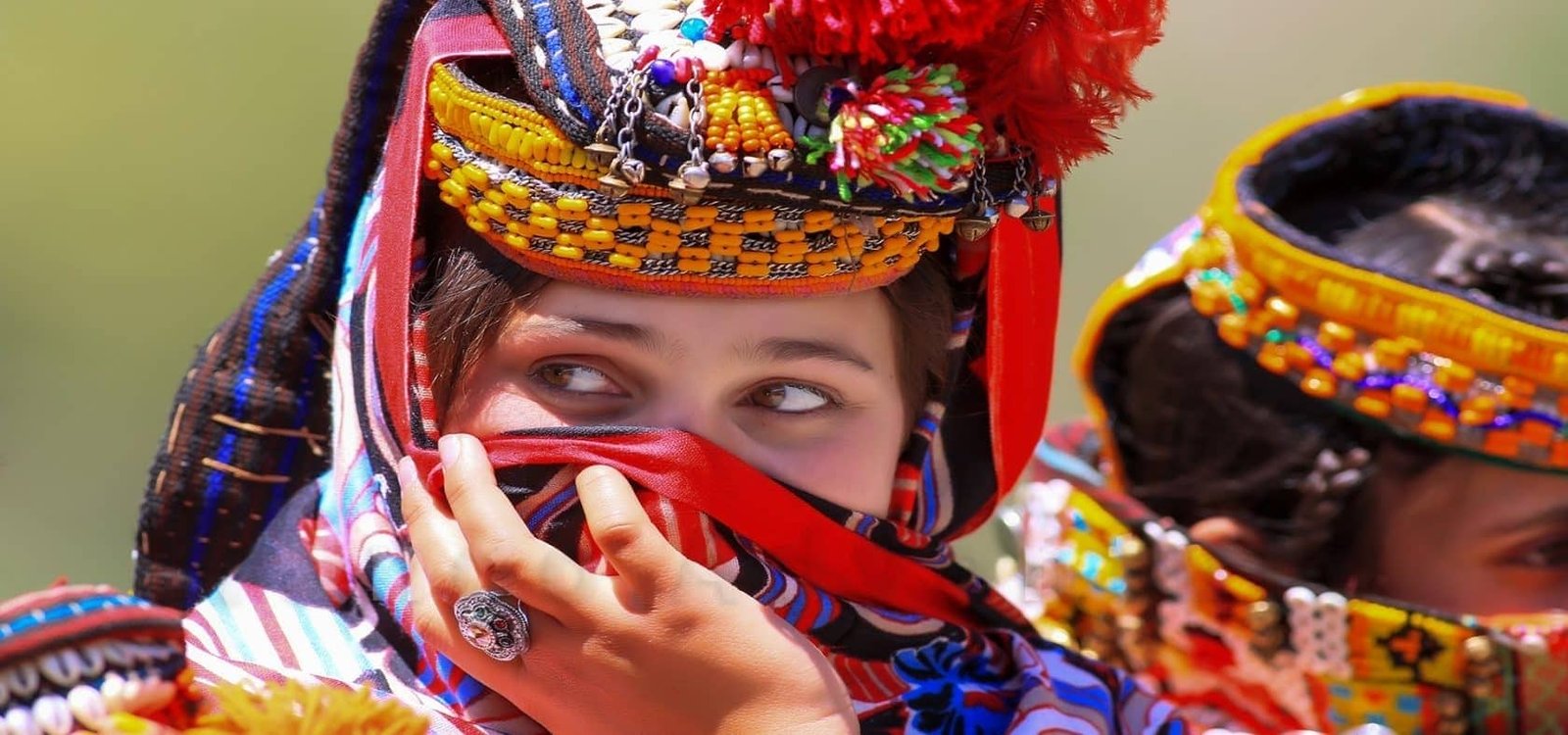
The Kalash, who are known for their distinct ancient Indo-Aryan culture, vibrant festivals, and unique animistic religion, have resided for generations in the remote valleys of Bumburet, Rumbur, and Birir in Chitral. Despite their rich heritage and global recognition, the community has long been deprived of a formal system to officially record their unions, leading to significant legal and social complications. The new bill directly addresses this historic omission.
Qamar Naseem, a programme manager at Blue Veins and co-drafter of the legal document, called the initiative a “significant step toward acknowledging and safeguarding the rights of Pakistan’s indigenous peoples.” He expressed his appreciation for the government’s commitment to advancing this historic legislation, which he noted is “not only a legal reform but also a recognition of their fundamental rights.”
The bill introduces a legal mechanism for the registration of marriages in strict accordance with Kalash religious values and customary practices. This ensures that the unique traditions of the community are formally respected and legally recognized within Pakistan’s legislative framework. Mr. Naseem also extended his gratitude to Wazirzada, the focal person to the KP chief minister on minority issues, the National Commission for Human Rights (NCHR), and the Local Government Department for their vital support in drafting and advancing the bill.
With the approval from the Cabinet Committee on Legislation, the Kalash Marriage Bill is now poised for presentation in the provincial cabinet’s upcoming meeting before being tabled in the KP Assembly for a vote. This progress marks a turning point for the Kalash people, setting a precedent for the legal protection of minority cultural traditions within Pakistan.