




In a series of high-level briefings at the United Nations this week, global leaders and diplomats sounded the alarm regarding the escalating “spillover effect” of terrorism originating from Afghanistan. Both UN Secretary-General António Guterres and Chinese Ambassador Sun Lei emphasized that the resurgence of militant groups, specifically the Tehreek-e-Taliban Pakistan (TTP), poses a direct threat to regional stability and Pakistan’s internal security.
Guterres flags TTP threat under Taliban regime. https://t.co/dfWyy5sTpl
— Dawn.com (@dawn_com) February 1, 2026
China Calls for Vigilance and Kabul Cooperation
Addressing the Counter-Terrorism Early Warning Network for Central Asia, Chinese Ambassador Sun Lei underscored that while Central Asia remains broadly stable, it is under constant threat from cross-border terrorism.
“The spillover effects of terrorist threats in the region deserve our highest vigilance,” Ambassador Sun stated. He specifically cited recent attacks in Pakistan as evidence of this growing volatility. Beijing’s representative called for:
- Enhanced Engagement: Strengthening cooperation with Kabul to ensure Afghanistan does not revert to a safe haven for terrorist organizations.
- Root Cause Mitigation: Accelerating the UN 2030 Agenda for Sustainable Development to eliminate the economic and social drivers of extremism.
UN Secretary-General Flags “Unacceptable” Taliban Inaction
UN Secretary-General António Guterres expressed profound frustration over the Taliban’s failure to meet international expectations regarding inclusivity, human rights, and regional security.
Focusing on the security vacuum, Guterres highlighted the specific danger posed to Islamabad:
“We are particularly concerned about what has happened with the Pakistani Taliban [TTP] and the support they might receive… No terrorist organisations should be able to operate from Afghanistan into other countries.”
The UN Chief further noted that while progress has been made on curbing drug trafficking, the lack of progress on inclusive governance and women’s rights remains “unacceptable” to the international community.
Pakistan’s Security Imperative
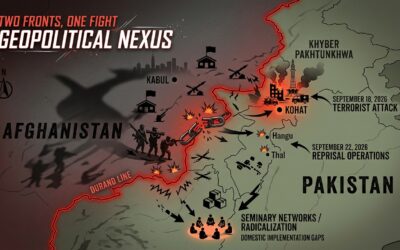
The briefings come as Pakistan experiences a sharp rise in terrorist incidents, primarily in Khyber Pakhtunkhwa and Balochistan. Pakistani officials have consistently linked this violence to cross-border infiltration since August 2021.
You May Like To Read: Brain Survival: U-M Scientists Discover ‘Sugar Switch’ to Save Neurons
Analysts suggest that the TTP and allied groups have leveraged safe havens across the Afghan border to launch more frequent and sophisticated attacks inside Pakistan. Islamabad continues to urge the international community to pressure Kabul into fulfilling its counter-terrorism obligations, asserting that global security is inextricably linked to Afghan stability.
Check out our latest video: