



A high-profile diplomatic and legal crisis has erupted following the tragic death of a nine-year-old Australian girl, shot dead by Punjab Police commandos during a botched tactical intervention in Chakwal.
A nine-year-old girl was killed in Chakwal in alleged firing by a CCD official, the CTD spokesperson said, adding that the official had been suspended and arrested. The girl’s father and brother are under treatment.
Visit our website: https://t.co/vURCUirZbS#TheNews pic.twitter.com/ZBEI17qpUC
— The News (@thenews_intl) June 15, 2026
The incident, which severely wounded the child’s father and older brother, has triggered intense international scrutiny, dominating headlines across Australian major networks including the ABC, SBS, and The Guardian.
In an immediate institutional damage-control maneuver, Sohail Zafar Chattha, Additional IG of the Punjab Crime Control Department (CCD), publicly confessed to gross operational negligence, labeling the fatal discharge a “grave deviation from established Standard Operating Procedures (SOPs) and legal guidelines governing the use of lethal force.”
Anatomy of a Botched Tactical Intervention
The catastrophic chain of events unfolded at approximately 9:00 PM on Wednesday, June 10, outside the regional CCD facility in Chakwal, transforming a routine family vacation into a crime scene.
-
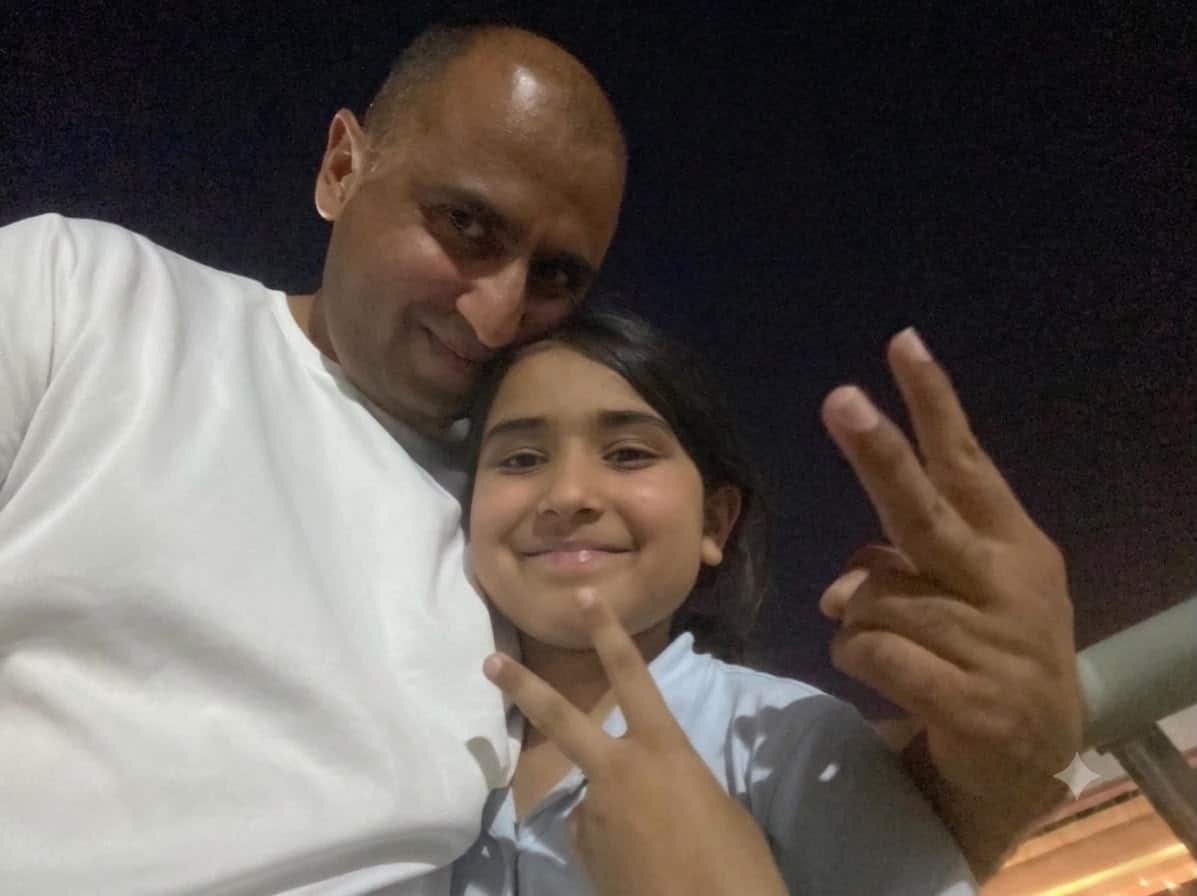
The Holiday Intercept: Perth-based Australian national Adil Ahmad—having just arrived in Pakistan from a pilgrimage in Makkah alongside his wife, Dr. Sidra Khan, their 10-year-old son Aqan Ahmad, and 9-year-old daughter Hania—was driving a rented vehicle to a family gathering at his in-laws’ residence.
-
The Armed Hold-up: As the vehicle paused near the residence of a maternal uncle adjacent to the CCD office, two armed motorcycle-borne bandits intercepted the car at gunpoint, aggressively robbing Dr. Sidra Khan of valuables worth Rs 500,000.
-
The Crossfire Cascade: Witnessing the ongoing robbery, an armed CCD officer deployed from the station and engaged the suspects. As gunfire erupted, the panicked suspects used the vehicle as tactical cover before fleeing the scene, leaving their motorcycle behind.
The “Fleeing Car” Fallacy: Indiscriminate Fire
Desperate to shield his family from the active gunfight, Adil Ahmad hit the accelerator to escape the engagement zone.
-
The Misidentification: Misinterpreting the sudden movement of the departing rental vehicle, responding CCD personnel erroneously deduced that the armed suspects were attempting to execute a vehicular escape.
-
The Fatal Barrage: Officers pursued the vehicle on motorcycles, opening indiscriminate fire into the chassis of the family car. Multiple high-velocity rounds pierced the bodywork, instantly striking three occupants.
-
The Casualty Assessment: While Dr. Sidra Khan miraculously escaped physical injury, Adil Ahmad and young Aqan sustained severe bullet wounds. Nine-year-old Hania Ahmad bore the brunt of the kinetic penetration, sustaining fatal wounds and tragically succumbing to her injuries shortly thereafter.
Critical Analysis
The horrific loss of life in Chakwal exposes a systemic, deep-seated malfunction within the operational training and split-second decision-making matrix of Pakistan’s frontline law enforcement agencies.
The Fatal Assumption: Violating the Visual Verification Directive
The operational confession by Additional IG Sohail Zafar Chattha that his personnel “mistakenly assessed” the situation and opened fire on a departing vehicle highlights a persistent pathology in local policing: the reliance on speculative intent rather than absolute visual verification. Under international and local police use-of-force protocols, a retreating or moving vehicle does not inherently constitute an active, lethal threat unless it is being actively weaponized as a ramming device against personnel.
By unleashing automatic weapon fire onto a civilian vehicle without identifying the occupants or confirming the presence of hostages, the responding officers completely bypassed basic tactical containment principles. They fundamentally treated a tactical retreat as an invitation for total kinetic neutralization.
The Pressure of the Consular and Diplomatic Prism
The immediate intervention of the Australian Department of Foreign Affairs and Trade (DFAT) and public remarks by Australian Prime Minister Anthony Albanese—demanding absolute transparency and a full judicial reckoning—have instantly elevated this case from a provincial misconduct inquiry into a high-stakes bilateral diplomatic liability.
Historically, instances of domestic police overreach or “encounter culture” within the local system can become bogged down in prolonged bureaucratic loops. However, the Perth-Kewdale community’s intense grief, combined with international press saturation, has denied the Punjab police apparatus any opportunity for a quiet internal cover-up. The state is forced to act with immediate, visible severity to preserve its international soft power and travel security safety ratings.
Forensic Integrity and the Remand Mandate
The immediate securing of ballistic forensics, processing of spent cartridges, and the official arrest and custodial remand of the primary shooting officer indicate that the internal affairs division recognizes the indefensible nature of the incident. While the local administration has successfully hunted down and neutralized the original robbery suspects in a subsequent engagement, that tactical success does not absolve the department of its core negligence.
The focus of the upcoming judicial inquiry must not merely look at individual officer panic; it must critically evaluate why high-powered submachine guns (SMGs) are being utilized indiscriminately in densely populated, urban residential zones by personnel lacking proper hostage-survival and situational-awareness training.
The Takeaway: Hania Ahmad’s tragic death is a grim reminder of the catastrophic cost of systemic trigger-happiness. No amount of official grief or post-incident administrative restructuring can undo the horror inflicted upon a family returning from a sacred pilgrimage. If the Crime Control Department wishes to reclaim any semblance of public or international trust, this investigation must proceed with unyielding, transparent severity—setting a definitive legal precedent that an officer’s uniform is never a license to shoot first and ask questions later.