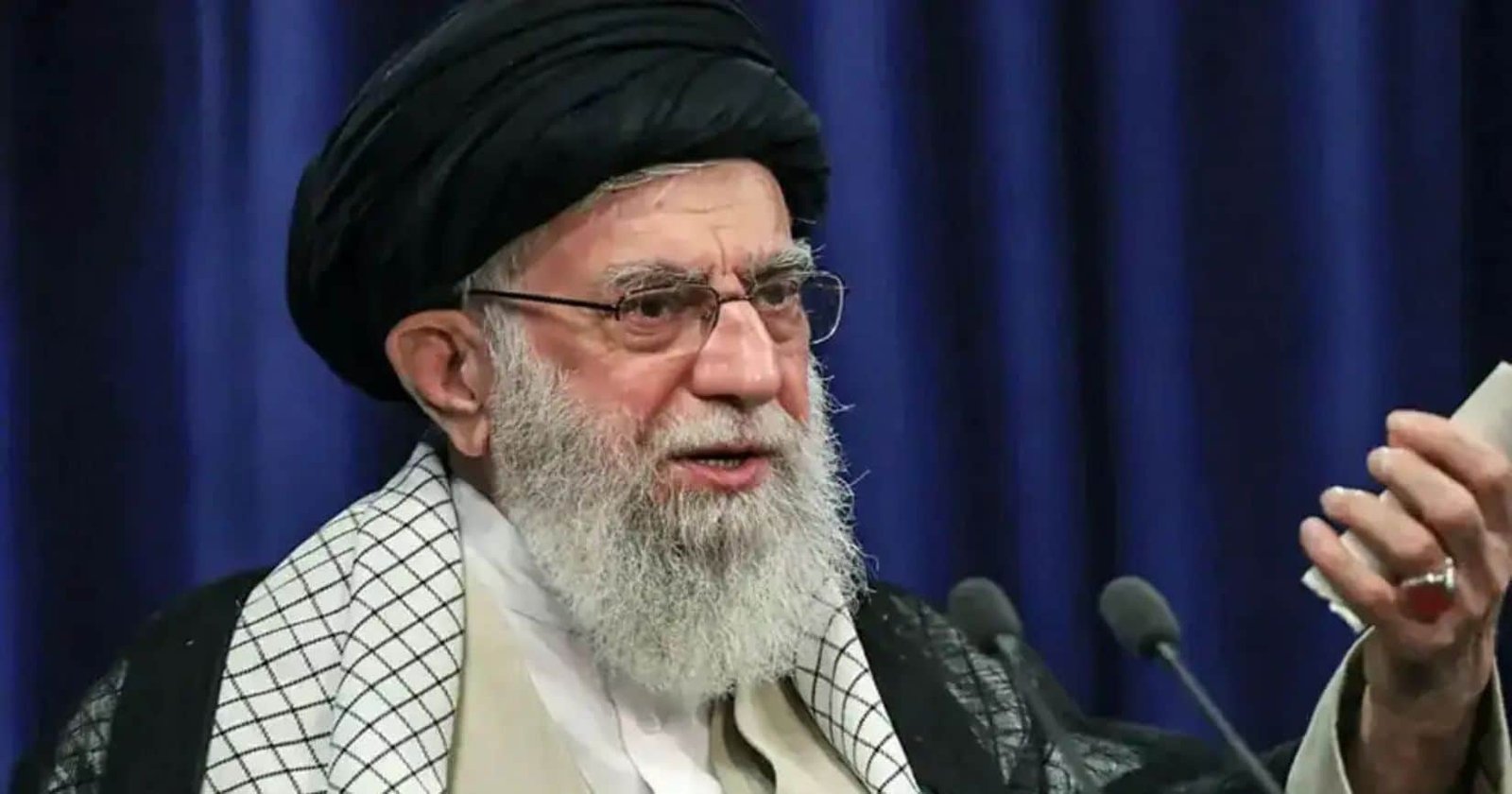





On February 10, 2026, Ali Larijani, a senior adviser to Iran’s Supreme Leader and Secretary of the National Security Council, arrived in Muscat, Oman, for high-level consultations. His visit follows the resumption of indirect U.S.-Iranian nuclear talks on February 6, where delegations led by Iranian Foreign Minister Abbas Araghchi and U.S. Special Envoy Steve Witkoff held eight hours of mediated discussions. Larijani’s presence is seen as a strategic move by Ayatollah Khamenei to gauge the “seriousness” of the Trump administration’s proposal while maintaining a unified front at home.
Adviser to Iran’s Supreme Leader to visit Oman on Tuesday after US-Iranian talks https://t.co/03fvAy1WJn https://t.co/03fvAy1WJn
— Reuters (@Reuters) February 9, 2026
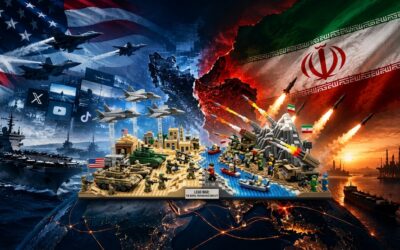
The diplomatic push is occurring under a cloud of military posturing. The USS Abraham Lincoln carrier strike group remained stationed in the Arabian Sea, and just days before the talks, U.S. forces shot down an Iranian Shahed-139 drone that aggressively approached the fleet. While President Donald Trump described the initial Muscat session as “very good,” he warned that the “consequences are very steep” if Tehran fails to make significant concessions. The primary deadlock remains the scope of the negotiations; Washington insists on including Iran’s ballistic missile arsenal, while Tehran maintains the talks must be “nuclear-only.”
Larijani, a veteran negotiator with deep ties to Iran’s power centers, is expected to finalize the contours of a technical roadmap with Omani mediators. His visit also serves to overshadow Israeli Prime Minister Benjamin Netanyahu’s scheduled visit to Washington on February 11, signaling that Tehran is actively pursuing diplomacy even as it prepares for potential military escalation.
You May Also Like to Read: