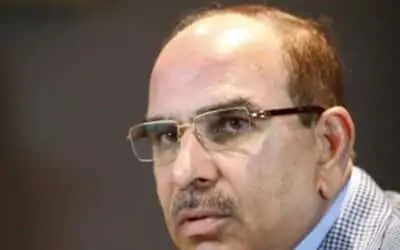
TEHRAN, IRAN — In a historic and contentious transition, the Assembly of Experts has officially elected Mojtaba Khamenei as the third Supreme Leader of the Islamic Republic of Iran. The decision, announced on Wednesday, March 4, 2026, follows the martyrdom of his father, Ayatollah Ali Khamenei, in joint U.S.-Israeli precision strikes on February 28.
The appointment of the 56-year-old cleric marks the first hereditary transfer of power in the republic’s history, signaling a definitive triumph for the hardline military-clerical alliance led by the Islamic Revolutionary Guard Corps (IRGC).
#FPExplained: Who is Mojtaba Khamenei, the 56-year-old son of the late Ayatollah Ali Khamenei, who has been elected as Iran’s new supreme leader?https://t.co/Q23YzuAoqP
— Firstpost (@firstpost) March 4, 2026
A Wartime Succession
Sources indicate that the 88-member Assembly of Experts convened two emergency virtual sessions on Tuesday under immense pressure from the IRGC High Command. The military establishment reportedly argued that Mojtaba is the “wisest pick” to steer the nation through its current existential crisis, citing his intimate familiarity with Iran’s security and intelligence apparatus.
🇮🇷⚡ Ayatollah Seyyed Mojtaba Khamenei became the third leader of the Islamic Revolution with 54 votes.
> The Assembly of Experts has 88 seats.
> 73 out of 88 people were able to participate in the regional voting.
> 19 people also voted for Mr. Arafi. pic.twitter.com/pOL0SZIwJx— Osint World (@OsiOsint1) March 4, 2026
Background and Rise to Power
Born in 1969 in Mashhad, Mojtaba Khamenei is the second-eldest son of the late Ayatollah. Unlike typical political figures, he has avoided public office, instead operating as the “gatekeeper” within the Office of the Supreme Leader.
-
Military Service: He served in the elite Habib Battalion during the Iran-Iraq War (1980–88), where he forged lifelong bonds with current IRGC intelligence chiefs.
-
Clerical Standing: While a mid-ranking cleric, he was elevated to the rank of Ayatollah by seminary associates in 2022 to fulfill constitutional requirements for leadership, though his religious scholarship remains a subject of debate among senior jurists.
Political Views and Influence
Mojtaba is regarded as significantly more hardline than his father. He is widely believed to have been the primary architect of the brutal crackdowns on the 2009 Green Movement and the 2022-23 “Woman, Life, Freedom” protests.
-
The “Junta” Allegations: Analysts describe his election as the formalization of an IRGC “military junta.” Mojtaba has long overseen the financial and intelligence wings of the Guard, ensuring their dominance over Iran’s state-owned industries.
-
Foreign Policy: He is expected to pursue an aggressive “Open War” doctrine, prioritizing the ballistic missile program and deepening ties with regional proxies to retaliate against U.S. and Israeli targets.
Personal Tragedy and Legacy
The new Supreme Leader assumes office during a period of profound personal grief. The same strikes that killed his father also claimed the lives of his wife (Zahra Haddad-Adel), his mother, and one of his sons. Supporters portray his succession as a “martyr’s legacy,” while critics warn that the dynastic shift risks alienating the Iranian public and fueling domestic unrest.
You May Like To Read: IMF Cuts Pakistan Visit Short Over Security Concerns
Immediate Challenges
As his first act, Mojtaba Khamenei is expected to formalize the burial of his father in the holy city of Mashhad and oversee the ongoing retaliatory drone and missile campaigns against U.S. bases in Kuwait and Bahrain.
Check out our latest video: