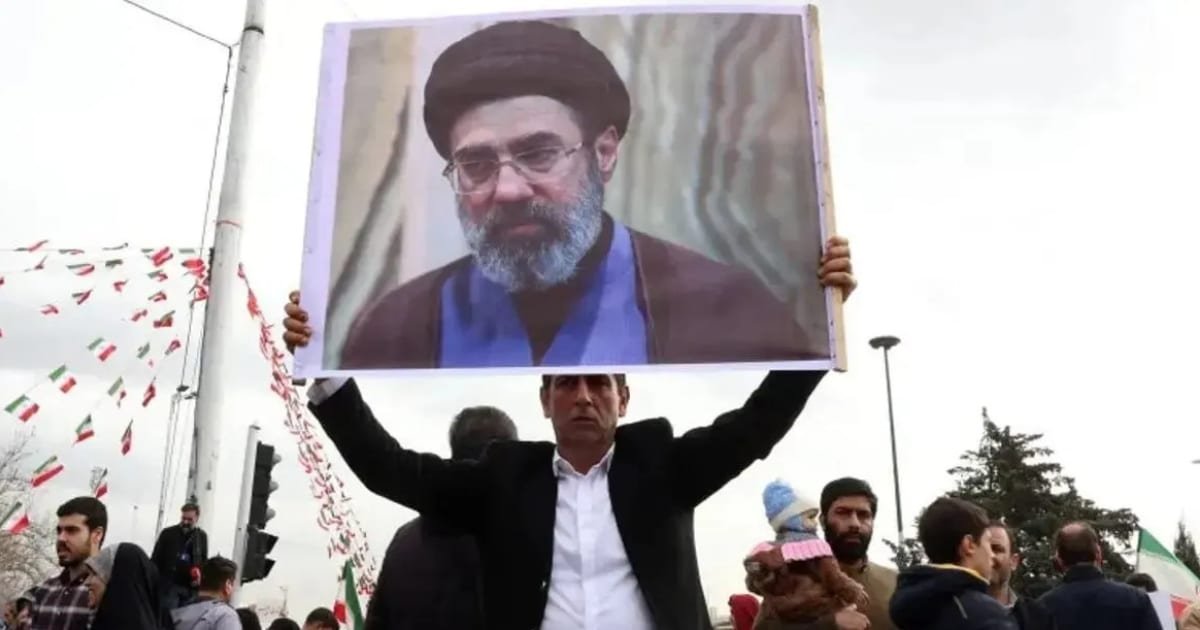


In his first public address since succeeding his father, the newly appointed Supreme Leader of Iran, Mojtaba Khamenei, has signaled a “doubling down” on Tehran’s military posture. The statement, delivered via a news anchor on Press TV on Thursday, comes nearly two weeks after the assassination of Ayatollah Ali Khamenei during the initial U.S.-Israeli strikes on February 28. While the statement called for national unity, it offered a stark ultimatum to Western forces and regional neighbors housing American military assets.
❗️Mojtaba Khamenei’s first statement as Iran’s Supreme Leader:
‘We will not give up on avenging the blood of our martyrs, especially the martyrs of Minab
We believe in friendship with neighbors and only target [US] bases, and we will inevitably continue.’ pic.twitter.com/Cv9NmeRkKV
— RT (@RT_com) March 12, 2026
Strategic Leverage: Strait of Hormuz, and U.S. Bases
The Supreme Leader’s doctrine centers on the use of Iran’s geographic and proxy advantages to force a cessation of the ongoing war.
-
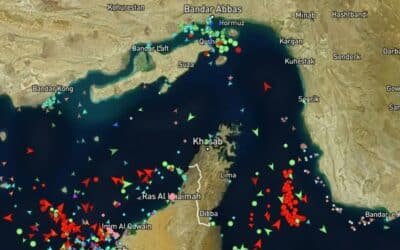
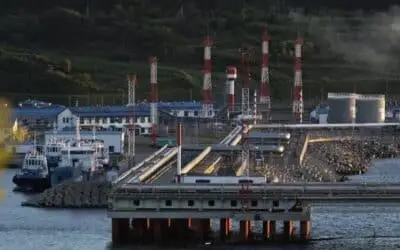
Global Energy Blockade: Khamenei confirmed that the Strait of Hormuz, a vital global energy artery, will remain closed to pressure “Iran’s enemies.” Analysts suggest this is intended to sustain the current oil price spike, which has already hit $100 per barrel.
-
Ultimatum to U.S. Forces: The statement demanded the immediate closure of all U.S. bases in the region. Khamenei warned that while Iran seeks “friendship with its neighbors,” any installation housing American troops remains a legitimate target for continued strikes.
-
Mobilizing the “Resistance”: The Supreme Leader specifically highlighted the roles of armed groups in Yemen and Iraq, stating they “will do the job” and are eager to assist the Islamic Revolution in its defense.
Internal Dynamics
Despite the “bold and courageous” framing by state media, the transition of power faces significant domestic and external scrutiny.
-
Societal Divide: Reports from Tehran indicate that Iranian society remains fractured. The appointment of the younger Khamenei by the Assembly of Experts has not quelled the economic grievances that fueled violent protests in December and January.
-
Contradictory Signals: Analysts noted a clear divergence between the Supreme Leader’s “war-footing” rhetoric and President Masoud Pezeshkian’s earlier suggestions of a conditional peace. This internal friction creates uncertainty regarding the state’s unified strategy.
-
Health Rumors: Because the statement was read by an anchor rather than delivered in person, rumors persist that the new Supreme Leader may have been injured or killed in the ongoing air campaign—a claim state officials have yet to physically dispel.
You May Like To Read: WhatsApp Redesigns Interface and Opens Waitlist for Premium Subscription
Defying the “Venezuela Path”
The hardline stance appears to be a direct rebuttal to U.S. President Donald Trump, who had predicted that Iran would select a leader willing to comply with Washington’s demands, similar to the “Venezuela model.”
-
Doubling Down: International security experts, including lecturers from King’s College London, describe the speech as “more of the same,” suggesting that the Trump administration’s hopes for a rhetorical shift toward de-escalation have been met with total defiance.
-
National Support: Supporters within Iran, including academics from the University of Tehran, have praised the message as a legitimate defense of “sustainable security,” claiming millions of Iranians back the Supreme Leader’s refusal to be dominated or divided.
Check out our latest video: