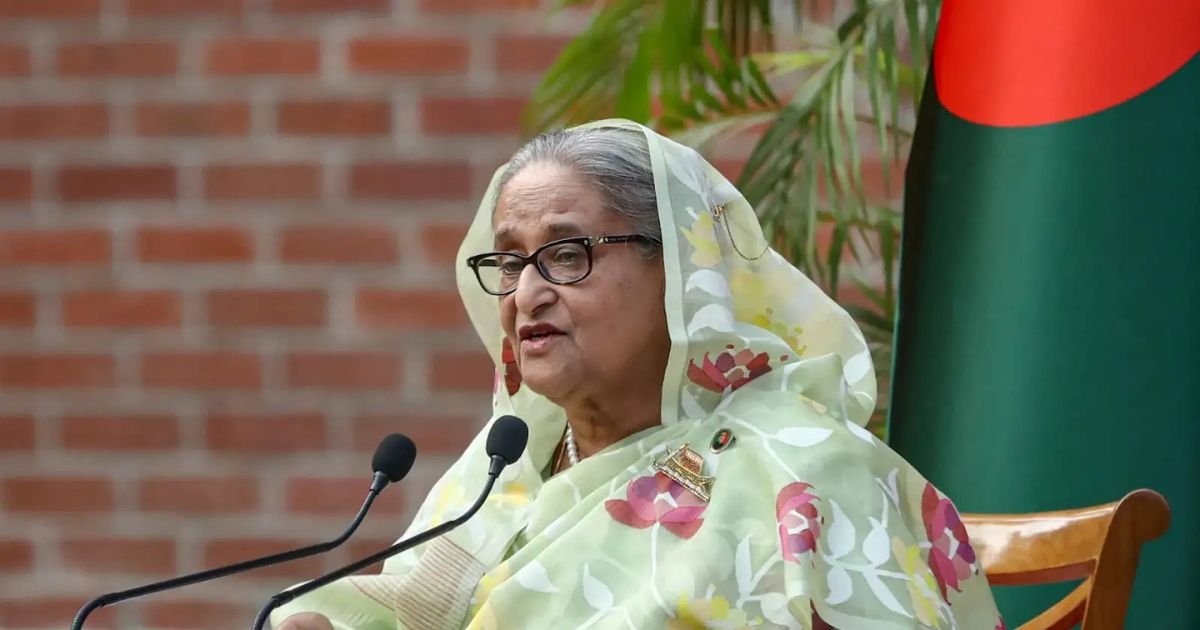




Bangladesh’s International Crimes Tribunal (ICT) convicted former Prime Minister Sheikh Hasina of crimes against humanity on Monday, sentencing her to death in absentia for ordering a violent suppression of student-led protests last year that killed up to 1,400 people, mostly by security forces gunfire, according to UN estimates.
The tribunal, broadcasting the 453-page verdict live, found Hasina guilty on three counts: incitement, ordering killings, and failing to prevent atrocities during the July-August 2024 uprising—now dubbed the “July Revolution”—that ended her 15-year rule. Co-accused former Home Minister Asaduzzaman Khan Kamal received a life sentence; ex-Police Chief Chowdhury Abdullah Al-Mamun, who turned state witness, was spared the noose.
Bangladesh’s former PM Sheikh Hasina says “we lost control of the situation but one cannot characterise what happened as premeditated assault on citizens”, according to Reuters news agency.
🟡 LIVE updates: https://t.co/GeEiaiRaIZ pic.twitter.com/2KOTiNhEqS
— Al Jazeera English (@AJEnglish) November 17, 2025
Hasina, 78, who fled to India on August 5, 2024, amid the mass uprising, was tried without her presence. In a recent BBC interview, she dismissed the proceedings as a “kangaroo court,” alleging political motivation. The verdict, delivered under tight security, has sparked protests and prompted a nationwide ramp-up in forces, with “shoot-at-sight” orders in Dhaka amid fears of Awami League backlash.
The uprising began over a 30% civil service quota for 1971 war veterans’ descendants—seen as cronyism favoring Awami League loyalists amid youth unemployment. It escalated into a nationwide revolt against Hasina’s alleged authoritarianism, corruption, and rights abuses, documented by human rights groups. The interim government under Muhammad Yunus has slashed quotas to 5%, stabilized reserves, and secured IMF loans, but economic fragility persists without foreign investment.
The ruling pressures India, Hasina’s host, for extradition—unlikely given bilateral ties—but underscores Bangladesh’s quest for accountability post-Hasina. Chief Prosecutor Muhammad Tajul Islam hailed it as “justice for the July martyrs,” while Hasina’s supporters decried it as “vendetta.”
As protests erupt, the government vows to protect the democratic transition, urging calm amid this pivotal reckoning for Bangladesh’s future.
Check out our latest video: