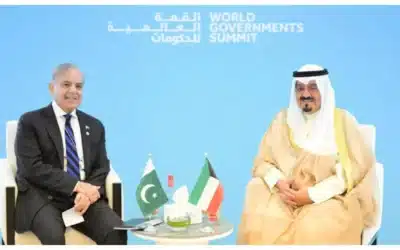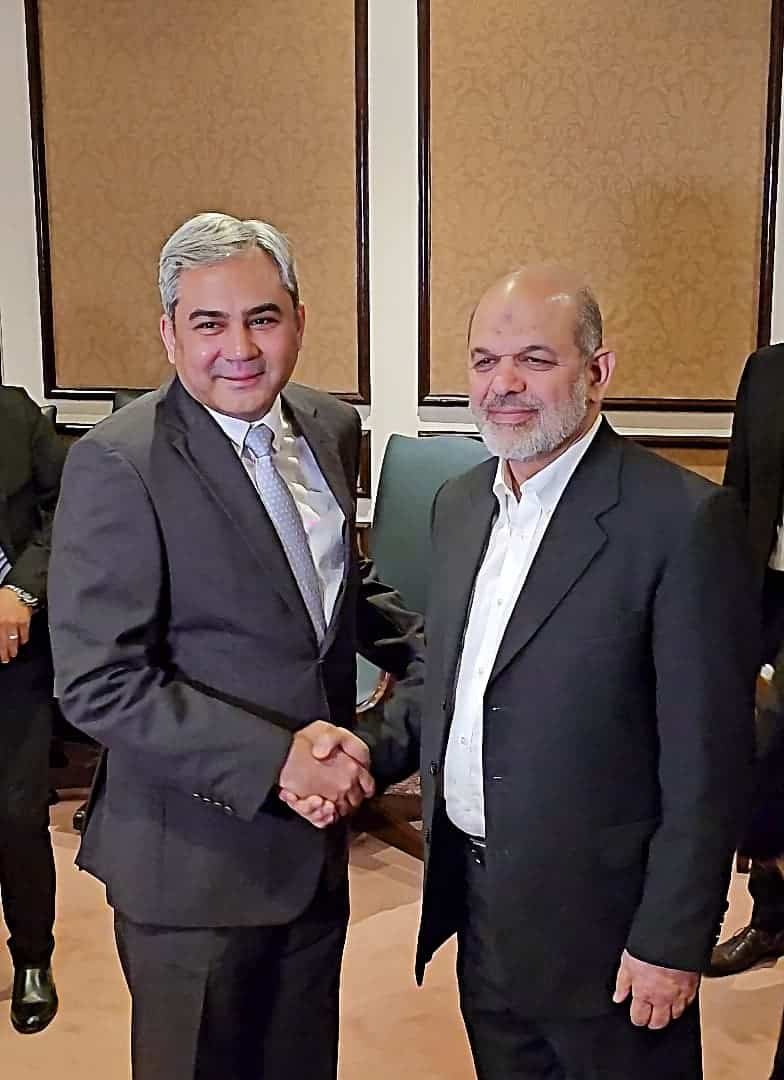



In a flurry of diplomatic activity, Pakistan’s Interior Minister Mohsin Naqvi has made two trips to Tehran in under a week, signaling Pakistan’s intensified efforts to mediate between the United States and Iran and de-escalate regional tensions. PTV News confirmed Naqvi’s meeting with Islamic Revolutionary Guard Corps (IRGC) chief Gen Ahmad Vahidi during his recent visit.
وفاقی وزیرداخلہ محسن نقوی اور جنرل احمد وحیدی pic.twitter.com/QYbSq3zqya
— PTV News (@PTVNewsOfficial) May 20, 2026
Pakistani government sources have revealed that Naqvi’s visits are centered around discussing a “fresh” US proposal aimed at resolving the ongoing Middle East conflict. These sources indicate that Pakistan-led mediation efforts between Washington and Tehran have reached a “critical phase.”
Naqvi’s itinerary included meetings with key Iranian figures such as his counterpart Eskandar Momeni, and he is expected to meet with Iranian President Masoud Pezeshkian, Foreign Minister Abbas Araghchi, and other senior officials. These discussions are focused on the latest US proposal and potential avenues for reviving stalled talks between the two nations.
According to sources, the latest US proposal offers “slightly better incentives” to Iran compared to previous offers, touching on issues related to Iran’s frozen assets and international sanctions. However, the proposal reportedly does not offer new concessions regarding Iran’s nuclear program, which remains a central point of contention.
The US and Iran have been exchanging proposals and counter-proposals since a ceasefire brokered by Pakistan took effect on April 8. However, disagreements persist, particularly regarding the sequencing of nuclear program negotiations and the implementation of a permanent ceasefire.
Critical Analysis
Pakistan’s proactive role as a mediator highlights its commitment to regional stability and its ability to engage with both Washington and Tehran. Naqvi’s repeated visits and high-level meetings demonstrate the urgency and importance Pakistan places on finding a resolution to the US-Iran conflict.
Several key sticking points continue to hamper progress:
- Nuclear Program: Washington insists on addressing the nuclear issue before a permanent ceasefire, while Tehran seeks separate negotiations on its nuclear program after a ceasefire is in place.
- Conditions for Negotiation: The Fars News Agency revealed stringent US conditions for negotiations, including the transfer of enriched uranium, limitations on nuclear facilities, and restrictions on the release of frozen assets. Iran, in turn, demands an end to conflicts across all fronts, the lifting of sanctions, the return of frozen assets, war compensation, and recognition of its sovereignty over the Strait of Hormuz.
Looking Ahead
Pakistan’s diplomatic efforts are crucial in bridging the gap between the US and Iran and preventing a renewed escalation of tensions. The success of these efforts will depend on the willingness of both sides to compromise and address each other’s concerns. As Pakistan pushes for direct talks and a “permanent” resolution, its role as a mediator remains vital in shaping the future of regional stability.