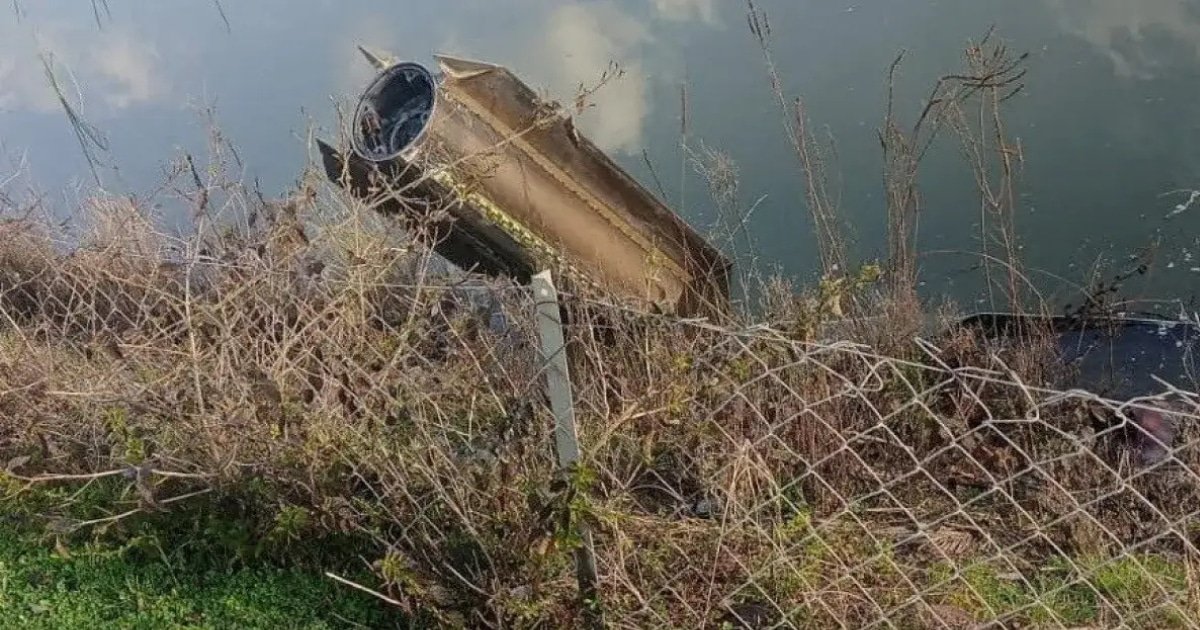





The Turkish Ministry of National Defence has confirmed that NATO air defense systems successfully intercepted a ballistic missile launched from Iranian territory on Monday. The projectile, which was heading toward the Sahinbey district of Gaziantep in southern Turkiye, was neutralized mid-air. No casualties or infrastructural damage have been reported.
This incident marks the second time an Iranian ballistic missile has targeted Turkish airspace since the commencement of the U.S.-Israel-Iran war on February 28.
Turkiye’s Defence Ministry says a ballistic munition fired from Iran has been “neutralised” by NATO defences deployed in the eastern Mediterranean.
🔴 LIVE updates: https://t.co/fPhcqlSQgD pic.twitter.com/imNzdQWiak
— Al Jazeera English (@AJEnglish) March 9, 2026
NATO Stands Firm: Article 5 and Collective Defense
The interception serves as a “tangible demonstration” of the Alliance’s integrated air and missile defense capabilities.
-
Official Confirmation: NATO spokesperson Allison Hart affirmed the interception, stating that the military alliance remains in a state of high readiness to defend all Allies against evolving threats.
-
The Article 5 Threshold: While the North Atlantic Treaty’s Article 5 stipulates that an attack on one member is an attack on all, NATO Secretary General Mark Rutte indicated last week that there is currently no formal move to invoke the collective defense clause, though the Alliance remains in “full solidarity” with Ankara.
NATO air defences intercepted a missile heading for Turkiye. This is the second interception that has resulted in debris falling over Turkiye since March 4. pic.twitter.com/0uj3FQF7K9
— Al Jazeera English (@AJEnglish) March 9, 2026
Diplomatic Friction: Tehran Proposes “Joint Investigation”
Despite the military confirmation, the diplomatic narrative remains complex:
-
Iranian Denial: Iranian President Masoud Pezeshkian, in a phone call with President Recep Tayyip Erdogan, proposed the establishment of a “joint team” to investigate the claims. Tehran continues to maintain that its strikes are strictly “self-defense” measures aimed at U.S. military bases.
-
Turkish Warning: The Turkish Ministry urged Tehran to “refrain from actions that could endanger civilians,” emphasizing Ankara’s determination to protect its national airspace and border security at all costs.
Strategic Analysis: A “Do-or-Die” Strategy of Chaos
Defense experts suggest that the targeting of NATO and GCC (Gulf Cooperation Council) states is a calculated effort by Tehran to force a cessation of the U.S.-Israeli offensive.
-
Targeting Infrastructure: Dr. Rob Geist Pinfold of King’s College London noted that Iran is intentionally targeting large-scale civilian infrastructure to “unleash chaos” and destabilize global energy markets.
-
Existential Risk: Analysts describe the current Iranian strategy as a “high-risk, do-or-die moment,” where Tehran is willing to burn diplomatic bridges with regional neighbors to counter what it perceives as an existential threat from the ongoing U.S.-Israeli air campaign.
You May Like To Read: “Hostage Diplomacy Must End”: U.S. Designates Afghanistan as “State Sponsor of Wrongful Detention”
Check out our latest video: