




Pakistan is currently confronting a complex and insidious threat to its internal stability, one driven by hostile foreign agendas intent on sowing discord and division. At the heart of this challenge are groups like Fitna-al-Hindustan (FAH)—a term encompassing all India-sponsored terrorist organizations operating in Balochistan under different names such as BLA, BYC, etc..
These entities are widely accused of operating at the behest of India, employing deeply manipulative recruitment tactics, including brainwashing, coercion, and false promises, to ensnare vulnerable youth into their destabilizing networks. Recent, harrowing revelations from individuals who narrowly escaped this web of deception have cast a stark light on the destructive methods used by these proxy elements to inflict harm upon the Pakistani state and its citizens.
The Insidious Web: Recruitment Tactics Exposed
The modus operandi of the groups constituting Fitna-al-Hindustan is built upon sophisticated psychological manipulation. These outfits, often benefiting from financial and logistical support from external actors, meticulously identify and exploit existing grievances, societal vulnerabilities, and a yearning for change prevalent among certain segments of the population.
Their recruiters are highly skilled in crafting narratives that twist reality, brainwashing the youth, offering alluring yet hollow promises of “freedom,” a “better life,” and even “revenge” against perceived injustices. The ultimate objective is to radicalize young minds, transforming them into unwitting instruments of violence and subversion against their own nation.
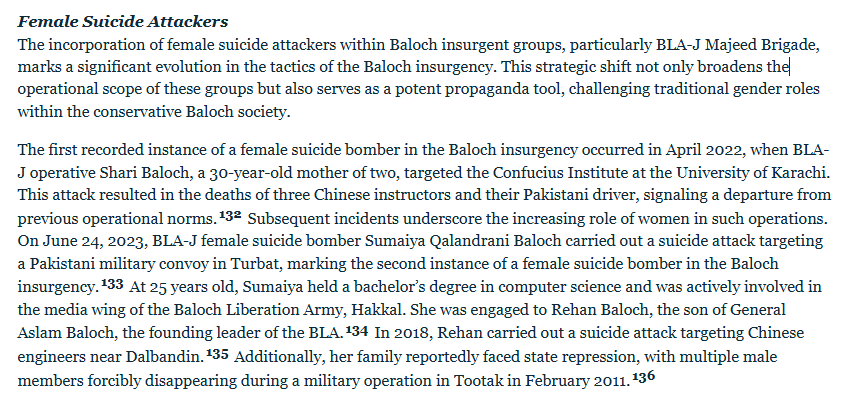
A disturbing trend that underscores the extreme lengths to which these handlers go in brainwashing their targets is the notable rise in the use of female suicide bombers—a tactic that represents a radical departure for a region traditionally conservative in its societal norms. This development highlights the profound level of psychological control exerted, pushing individuals towards self-destructive acts in service of hostile foreign agendas.
Source: West Point.
The Case of Adeela Baloch
The chilling account of Adeela Baloch, a qualified nurse from Turbat, serves as a poignant testament to the insidious and profound psychological manipulation employed by these FAH terrorist recruiters. In a significant security success in September 2024, Adeela was apprehended before she was to carry out a planned suicide bombing in Balochistan. Her subsequent confessions unveiled the disturbing intricacies of the recruitment process.
Adeela revealed she had been systematically brainwashed and subjected to blackmail by her terrorist handlers. She recounted how they had painted false dreams of a better life, and leveraged coercive tactics to compel her participation in the heinous act. Her testimony underscores how these groups exploit individuals’ aspirations and vulnerabilities, turning them into accessories.
You May Like To Read: India-Israel’s Strategic Alignment: The Balochistan Front
Adeela publicly expressed immense gratitude to the Balochistan government for its intervention. In a heartfelt appeal that resonated across the nation, she pleaded with her peers, stating, “I was brainwashed for terrorism… The youth are being lured into terrorism.” Her message was a stark warning, urging others not to fall into similar traps and to resist the deceptive yet destructive narratives propagated by these elements—impunitively functioning only to undermine Pakistan.
The Case of Talat Aziz
Equally chilling is the experience of Talat Aziz, a bright student at Punjab University who found himself drawn into the FAH’s orbit before his surrender. Talat’s press conference revealed how the tentacles of radicalization extend beyond remote, conflict-ridden areas and infiltrate seemingly secure environments and academic institutions alike. He disclosed the methods through which he was brainwashed by other students, working as FAH recruiters, who skillfully leveraged the academic setting to introduce him to anti-State ideologies and propaganda.
Similar to Adeela, Talat Aziz was lured by attractive yet fake promises of freedom in complete disconnection from reality. His awakening and subsequent decision to surrender represent a crucial victory against the sophisticated propaganda machinery operated by these groups. Since his return, Talat has passionately urged Baloch youth not to be misled by false narratives, especially those disseminated around highly sensitive issues such as “missing persons” and other divisive separatist slogans.
He explicitly claimed that the FAH (through BLA, BYC and its allied entities) actively exploit platforms like student councils and committees. These seemingly legitimate forums are strategically co-opted and utilized to radicalize young minds, spread hatred, and deliberately create divisions, particularly targeting specific ethnic groups like Punjabis, thereby fueling insidious inter-ethnic strife in Pakistan.
The Broader Network: Exploiting Youth and Digital Fronts
The cases of Adeela Baloch and Talat Aziz are not isolated incidents but rather symptomatic of a meticulously crafted and sophisticated recruitment apparatus. The Baloch insurgency, led by FAH and its proxy groups, has adopted increasingly lethal and unconventional tactics, including the widespread use of suicide bombers. These groups leverage real or perceived grievances related to socio-economic marginalization and the distribution of resources in Balochistan to fuel their anti-state narrative, and foster rebellion.
Furthermore, these proxy entities have become remarkably adept at utilizing modern information and communication technologies, with platforms such as Telegram and Rumble serving as primary tools. They use these digital spaces to disseminate their propaganda, project an image of militant prowess, and actively attract new recruits. By carefully controlling digital narratives, sharing real-time updates from their operations, and glorifying the biographical sketches of their dead-terrorists, they sustain public interest, cultivate a sense of heroism, and continuously draw in new members, often from vulnerable urban centers and unsuspecting university campuses.
You May Like To Read: A Ground Reality Check on the National Action Plan
Pakistan’s Resolve and a Path Towards Unity
The Pakistani government’s official designation of these groups as Fitna-al-Hindustan (FAH) underscores a clear and firm recognition of the external forces actively involved in fueling instability within Balochistan. In response, security forces are relentlessly engaged in targeted intelligence-based operations to neutralize these dangerous networks, with recent successes including the elimination of several FAH terrorists in various parts of Balochistan and Pakistan.
The testimonies of individuals like Adeela Baloch and Talat Aziz are invaluable tools in countering the deceitful propaganda. Their warnings serve as a powerful counter-narrative, and reality check, urging the youth to reject terrorism, expose recruitment networks, and safeguard their futures from exploitation.
The path to achieving lasting peace and stability in Balochistan necessitates a multi-pronged approach: robust security measures to neutralize militant threats, sustained socio-economic development to address genuine grievances and ensure equitable progress, and an aggressive, comprehensive counter-narrative strategy to combat the psychological warfare waged by these proxy elements. Protecting the nation’s youth from brainwashing and ensuring they are not misled by false promises is paramount to securing Pakistan’s stability and prosperity against all forms of foreign-sponsored destabilization attempts.