




Oil Rain and Toxic Skies Blanket Tehran After Strikes
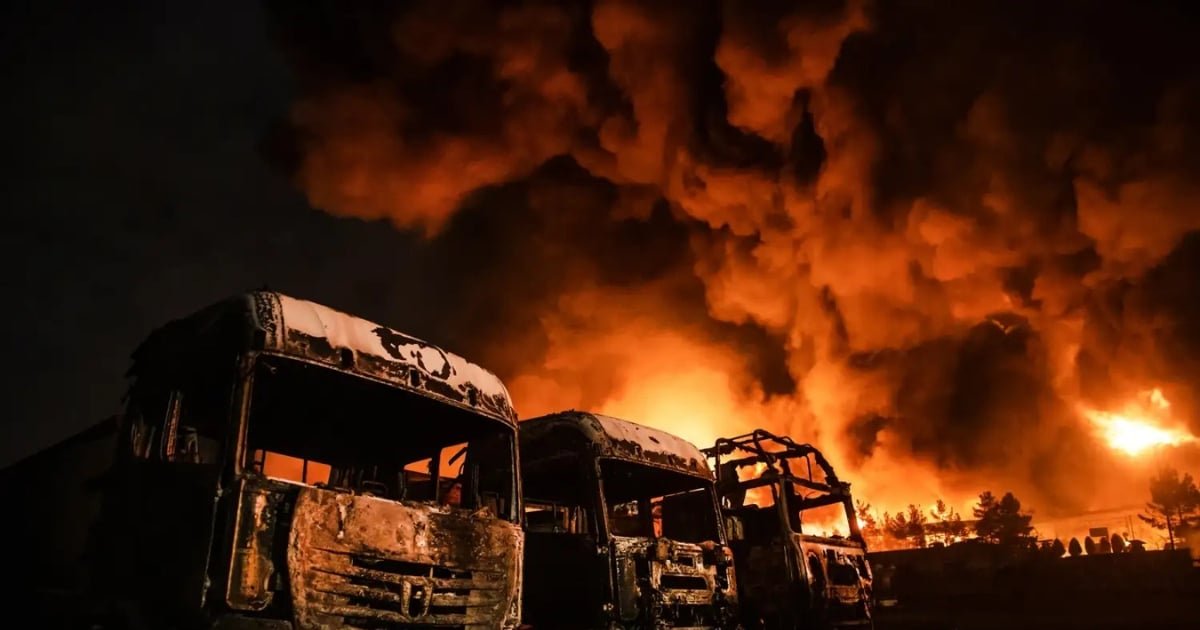
Residents of Tehran woke to a darkened sky and toxic conditions after major oil depots and refineries were hit during strikes linked to a US-Israeli offensive against Iran. Thick black smoke continued to rise from the burning facilities more than 12 hours after the attacks, blotting out the sun and plunging large parts of the capital into darkness.
🔴 #Israeli warplanes carried out more attacks on targets in #Tehran and across #Iran on Saturday, as the war in the Middle East enters its eighth day.
Similar strikes were conducted on Friday, after Israel said it detected incoming Iranian missiles headed towards the country. pic.twitter.com/zkEap3TY1Y
— FRANCE 24 English (@France24_en) March 7, 2026
Witnesses described an unusual phenomenon where rain mixed with oil particles fell across the city, creating what reporters called “oil rain.” The Iranian Red Crescent Society warned residents about serious health risks caused by the release of toxic hydrocarbons, sulfur and nitrogen oxides from burning fuel facilities.
Authorities urged people to wear masks and limit outdoor exposure due to the risk of chemical burns and respiratory damage. Officials also acknowledged disruptions to fuel supplies across the capital, leading to long queues at petrol stations.
Oil Facilities Hit as Israel Expands Military Offensive
The Israel Defense Forces confirmed it had launched a wave of strikes across Iran, targeting military and industrial infrastructure. Israeli officials said the attacks included a facility linked to the Islamic Revolutionary Guard Corps in Tehran, which they claimed housed the headquarters of the IRGC’s space force responsible for operating the Khayyam surveillance satellite.
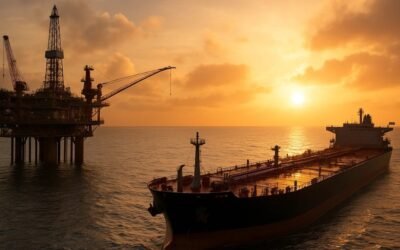
Further strikes by US and Israeli forces reportedly hit at least five oil facilities in and around Tehran, according to officials from the National Iranian Oil Products Distribution Company. Iranian media reported that four tanker drivers were killed in the attacks. In Iran’s central province of Isfahan, at least 11 people were killed when manufacturing workshops and other facilities were struck during the bombardment.
Conflict Spreads Across Lebanon and Gulf States
Fighting also intensified beyond Iran, particularly in Lebanon, where clashes between Israel and Hezbollah escalated sharply. Israeli strikes reportedly killed 394 people in Lebanon within a week, including dozens of children. One strike hit a hotel in the Raouche district of Beirut, which Israeli officials said targeted commanders of the IRGC’s Quds Force.
Meanwhile, Gulf countries including Qatar, Kuwait, Saudi Arabia and the United Arab Emirates reported missile and drone attacks allegedly launched from Iran toward locations hosting US military bases. Authorities in the UAE said air defence systems intercepted most of the incoming threats.
You May Like To Read: PMD Warns Pollution From Iran Strikes May Affect Air Quality in Western Pakistan
Iranian President Masoud Pezeshkian warned that Tehran would respond if neighbouring countries allowed their territory to be used for attacks against Iran. Meanwhile, Donald Trump said the United States and Israel would continue pursuing Iranian leadership figures linked to the conflict.