



This is a threatening reality in Pakistan. Climate change is no longer an environmental problem but a national security situation. Whether the life-threatening floods of 2022 or the record heat waves of 2024, climate crises are becoming more severe and frequent. The state is on its way to viewing such shocks as threat multipliers to food security, water supply, migration, and even to internal stability.
A Country on the Climate Frontline
The Global Climate Risk Index places Pakistan as the 8th most climate-vulnerable nation in the world. In 2022, floods covered a third of the country, displaced more than 33 million people, and cost more than USD 30 billion in damage.
Heatwaves are an annual phenomenon. In May 2024, Jacobabad recorded a temperature of 52 °C, prompting schools to close and hospitals to anticipate heat strokes. These are not isolated incidents but are influencing how Pakistan thinks about security, defence and governance.

Source: UNICEF
Why Climate Is Now a Security Issue
Climate disasters can trigger economic crises, resource conflicts, and mass displacement.
- Food Security: Floods destroy crops, leading to shortages and higher prices.
- Water Security: Glacial melt and erratic rains affect river flows, creating tensions over water distribution.
- Migration: People move from disaster-hit rural areas to cities, putting pressure on urban infrastructure.
- Border Concerns: Climate migration from neighbouring regions could also strain diplomatic relations.
In short, climate impacts can fuel instability—making them a direct security challenge.
Government’s Evolving Approach
In recent years, Pakistan has started to integrate climate risks into national planning:
- National Adaptation Plan (NAP) – Focuses on climate-resilient infrastructure, agriculture, and disaster preparedness.
- National Security Policy 2022–2026 – Recognises climate change as a core national security threat for the first time.
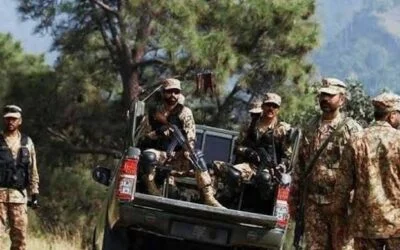
- Armed Forces Involvement – Military units now regularly participate in disaster relief, flood rescue, and post-disaster rebuilding.
This shift shows that climate governance is no longer a side issue—it is central to security planning.
You May Like To Read: The Political Discourse Deteriorates | Personal Attacks Replace Policy Debates
Lessons from the 2022 Floods
The response to the 2022 disaster revealed some of the strengths and weaknesses of the Pakistani government. The NDMA (National Disaster Management Authority) and the army responded immediately and saved thousands. International aid poured in; however, it was poorly coordinated, and many isolated localities were isolated for weeks.
A World Bank report highlighted that the absence of early warning systems, poor infrastructure and inadequate urban planning are identified as major vulnerabilities.
The Role of Urban Governance
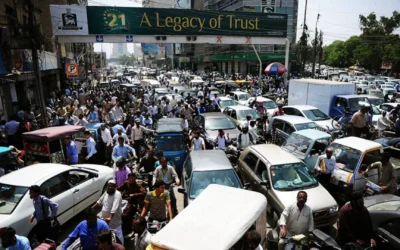
Uncontrolled urbanisation is making the climate more dangerous. Dams and construction which obstruct the natural waterline, together with congested drains, lead to deadly flooding in a place such as Karachi. Improved city planning, investment in stormwater techniques and enforcement of building codes may save lives and mitigate damage.
Water Security and Regional Tensions
Water scarcity in the Indus River Basin is a common resource that exists between Pakistan and India, and it is exacerbated by climate change and strained relations between the two countries. Melting glaciers will have a short-term effect of raising river flows, but will lower them in the long run.
This increases the stakes of transboundary water management within the framework of the Indus Waters Treaty. A perceived threat to the water supply may increase diplomatic tensions.
Technology and Early Warning Systems
Pakistan is starting to apply satellite data, mobile alerts, and AI-based forecasting to enhance disaster preparedness. The Pakistan Meteorological Department has been issuing heatwave warnings several days beforehand.
Nevertheless, there is a poor local capability to respond to warnings. Numerous disadvantaged populations have no access to real-time information or evacuation pathways.
You May Like To Read: The NADRA Paradox: Efficient Governance vs. Citizen Rights in the Digital Age
Critical Gaps in Climate Governance
Despite progress, major gaps remain:
- Funding Shortages: Climate adaptation needs billions, but budgets are tight.
- Weak Local Government: Disaster preparedness at the district level is often poor.
- Data Gaps: Accurate, timely climate data is missing in many sectors.
- Enforcement: Laws on illegal construction, water use, and deforestation are not strictly applied.
The Way Forward
To secure the nation against climate threats, Pakistan needs:
- Stronger Coordination – Federal, provincial, and local governments must work together.
- Climate-Resilient Infrastructure – Build roads, bridges, and housing that can withstand floods and heat.
- Investment in Agriculture – Promote drought-resistant crops and efficient irrigation.
- Community Preparedness – Train local volunteers for disaster response.
- Green Defence Strategy – Integrate environmental risks into military and border security planning.
Conclusion: Climate Security Is National Security
Climate policy is entirely inseparable in Pakistan with security policy. Any significant flood, drought or heatwave impacts the economy, social harmony, and even foreign relations.
The coming decade will determine whether Pakistan is capable of going beyond being a reactive responder to a proactive resilience. It is as important to safeguard citizens against climate-related disasters as it is to protect borders.
Failure to act would not only be costly in terms of lives but may also endanger the future stability of the country.