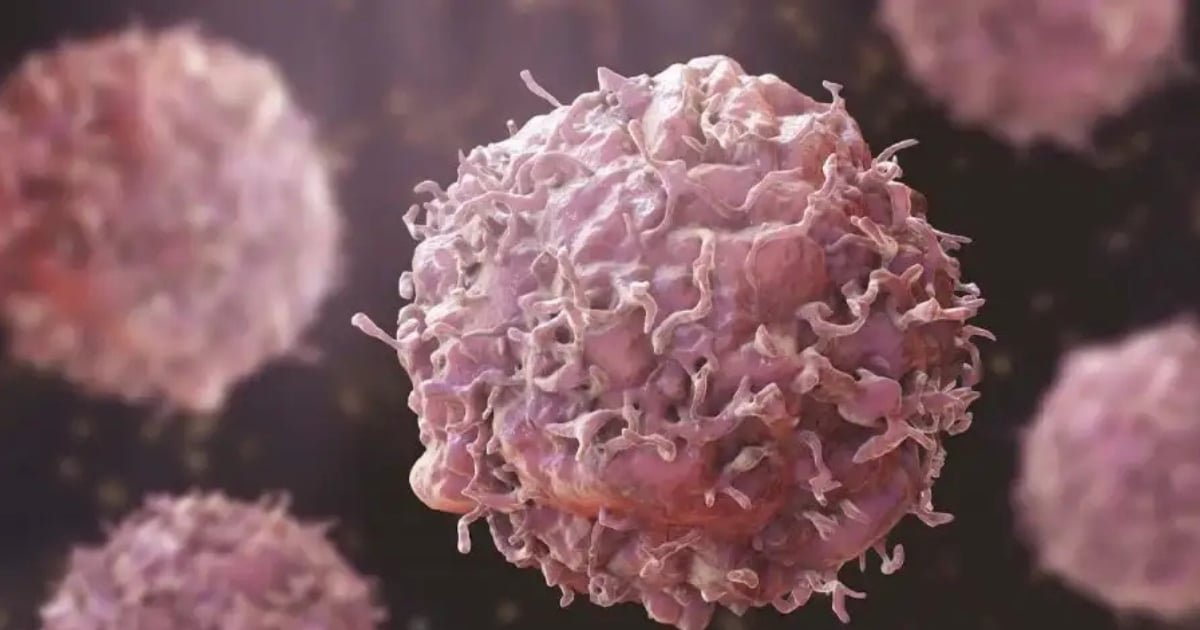





Scientists at Oregon State University (OSU) announced a revolutionary advancement in cancer therapy that achieved 100% tumor regression in preclinical trials. The study, led by Oleh and Olena Taratula and Chao Wang, was published this week in the prestigious journal Advanced Functional Materials. The team developed an iron-based Metal-Organic Framework (MOF), a sophisticated nanomaterial that essentially “tricks” cancer cells into destroying themselves while leaving healthy tissue completely unharmed.
Scientists at Oregon State University have developed an innovative nanomaterial that targets cancer cells while sparing healthy tissue. https://t.co/4vCU7OqHbC
— KEZI 9 NEWS (@KEZI9) January 28, 2026
The breakthrough lies in a specialized form of Chemodynamic Therapy (CDT). Unlike previous treatments that could only produce one type of destructive molecule, this new MOF triggers a dual chemical reaction. By exploiting the naturally acidic and hydrogen-peroxide-rich environment of malignant tumors, the nano-agent simultaneously generates hydroxyl radicals and singlet oxygen. This “one-two punch” creates overwhelming oxidative stress that shreds the cancer cell’s DNA and proteins. In mouse models bearing human breast cancer, the treatment resulted in total eradication of the disease with zero systemic toxicity and no recurrence.
You May Like To Read: Sanctions & Standoff: EU Lists IRGC as Terrorists Amid U.S. Naval Surge
While the results in breast cancer are definitive, the OSU team is now pivoting to test the nanomaterial against aggressive pancreatic cancer, one of the most difficult-to-treat malignancies. If these broader trials succeed, the therapy could represent a “gentler” alternative to traditional chemotherapy, moving closer to human clinical trials within the next 24 months.
Check out our latest video: