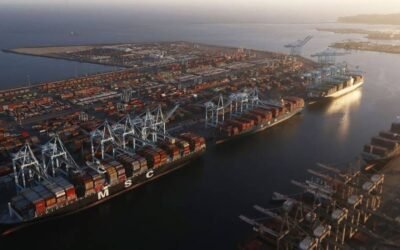




In a decisive move to secure the nation’s economic arteries, the Pakistan Navy has officially launched Operation Muhafiz-ul-Bahr (Protector of the Seas). The Inter-Services Public Relations (ISPR) announced the initiative on Monday, citing the rapidly evolving regional security environment and the urgent need to counter “multidimensional threats” to national shipping and maritime trade.
With approximately 90% of Pakistan’s trade conducted via sea, the operation is a strategic necessity to ensure that vital energy supplies and commercial sea lines of communication remain uninterrupted during the ongoing global energy and maritime crunch.
🚨⚠️#ISPR #MuhafizulBahr
Rawalpindi, 09 March, 2026In view of the evolving regional maritime security environment and potential disruptions to critical sea lanes, #Pakistan Navy has launched Operation Muhafiz-ul-Bahr to counter multidimensional threats to national shipping and… pic.twitter.com/P9TD6U1bUw
— Pakistan Armed Forces News 🇵🇰 (@PakistanFauj) March 9, 2026
Securing the “Lifeblood” of the Economy
The primary objective of Operation Muhafiz-ul-Bahr is the active monitoring and physical protection of merchant vessels traversing critical sea lanes.
-
Escort Operations: In its first phase, Pakistan Navy warships have already begun escorting two high-priority merchant vessels. These operations are being conducted in seamless coordination with the Pakistan National Shipping Corporation (PNSC).
-
Continuous Surveillance: The Navy is utilizing its full suite of maritime domain awareness tools to monitor and control the movement of national and international merchant traffic within its Area of Responsibility (AoR).
-
Energy Security: A central pillar of the mandate is the “uninterrupted flow of national energy supplies,” particularly as global oil markets face extreme volatility.
Countering Multidimensional Threats
The ISPR statement emphasized that the Pakistan Navy is “fully cognizant” of the heightened risks posed by the current regional maritime climate. These threats include:
-
Asymmetric Risks: Potential disruptions from non-state actors and militant formations.
-
State-Linked Interference: Risks to the safe transit of vessels in international waters amid the wider regional conflict.
-
Supply Chain Vulnerability: Ensuring that “bottlenecks” do not form in the sea lines of communication (SLOCs) that feed Pakistan’s industrial and domestic sectors.
Commitment to Regional Stability
While primarily focused on national shipping, the Pakistan Navy reiterated its broader commitment to Regional Maritime Security. By maintaining a visible and potent presence in the North Arabian Sea, the Navy aims to deter sabotage and ensure that global trade routes remains safe and secure for all legitimate users.
“The Pakistan Navy remains fully prepared to respond to emerging challenges. Our commitment to the safety of national shipping is absolute.” — ISPR Statement
You May Like To Read: NATO Air Defenses Intercept Iranian Ballistic Missile Over Southern Turkiye
Check out our latest video: