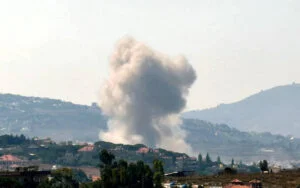




The long-simmering tensions between Islamabad and the Taliban regime in Kabul have finally boiled over into a full-scale military confrontation. Following a night of coordinated “unprovoked” attacks by Afghan Taliban fighters across five major sectors, Pakistan has launched Operation Ghazab-lil-Haq (Wrath for the Truth).
This operation marks a strategic pivot for Pakistan: moving from reactive border management to a proactive, high-tempo military campaign designed to dismantle the Taliban’s frontier infrastructure and its patronage of the Tehreek-e-Taliban Pakistan (TTP).
Pakistani Defense Minister Khawaja Muhammad Asif said that the country was in an ‘open war’ with neighboring Afghanistan, as tensions escalated overnight, with both sides reporting heavy losses https://t.co/izcMFaEGrM pic.twitter.com/YkbkhsPqNV
— Reuters (@Reuters) February 27, 2026
The Tactical Landscape: High-Tempo Retaliation
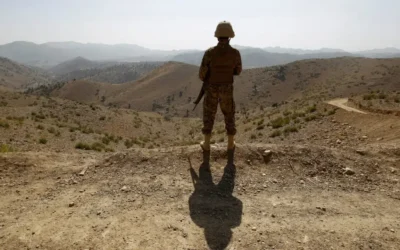
The conflict ignited around Iftar on Thursday when Afghan forces launched artillery and small-arms fire targeting positions in Chitral, Khyber, Mohmand, Kurram, and Bajaur. The scale of the Afghan offensive suggests a coordinated attempt to stretch Pakistani defenses across the 2,640km Durand Line.
The Pakistani Response:
-
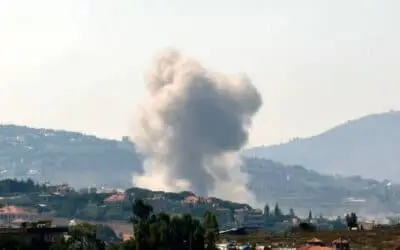
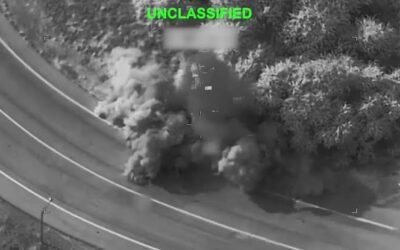
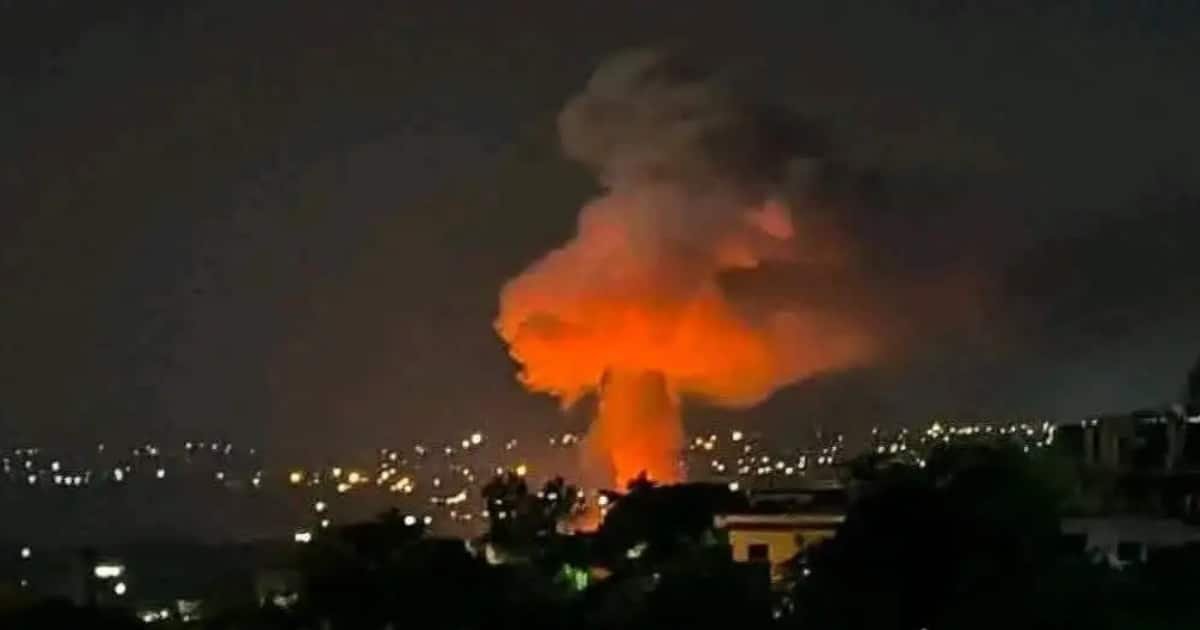
Air Superiority: In a decisive escalation, the Pakistan Air Force (PAF) joined the fray, targeting Afghan command centers and an ammunition depot in Nangarhar province. State media visuals showed the total destruction of the depot, a critical node for Taliban logistics.
-
Casualty Dynamics: While Information Minister Attaullah Tarar initially reported 36 Taliban fatalities, state-run PTV News updated the toll to 58 Taliban fighters killed and over 100 injured.
-
Territorial Control: Pakistani forces successfully destroyed 12 Afghan border posts and reportedly captured five others, reversing Taliban incursions in the Nawagai (Bajaur) and Arandu (Chitral) sectors.
-
Pakistani Losses: The government confirmed the martyrdom of two Pakistan Army soldiers, with three others injured.
58 Afghan Taliban personnel killed and over 100 injured in Pakistan’s retaliatory operation. Twelve posts destroyed, five captured, including an ammunition depot, three battalions, and HQ. Over 30 tanks, artillery guns, and armoured personnel carriers were neutralized.… pic.twitter.com/mwwf8LLc3u
— Pakistan TV (@PakTVGlobal) February 26, 2026
Strategic Implications: The End of “Patience”
For months, Islamabad has utilized “friendly countries” (likely China and Qatar) to urge the Taliban to dismantle TTP sanctuaries. The launch of Ghazab-lil-Haq signals that this diplomatic track has officially failed.
The “TTP Shield” Doctrine:
Minister Tarar’s accusation that Kabul launched these attacks “in defense of TTP outlaws” confirms Islamabad’s view that the Afghan Taliban and the TTP are now functionally a single military entity. By striking back with “Ghazab-lil-Haq,” Pakistan is attempting to establish a new “cost-of-support” for Kabul—making the Taliban’s protection of the TTP more expensive than the benefits of the alliance.
Pakistan bombed Taliban government targets in Afghanistan’s major cities overnight, officials from both countries said, with Pakistan’s defence minister describing the conflict as ‘open war’ https://t.co/oY40T7r8Ap pic.twitter.com/vYJkHRjVKW
— Reuters (@Reuters) February 27, 2026
Humanitarian and Civilian Impact
The fighting has exacted a toll on civilians living along the porous border:
-
Shelling in Bajaur: Afghan artillery fire in Lowi Mamund injured five civilians, including three women.
-
The Refugee Factor: Repatriation efforts at Torkham have been paralyzed. Families waiting at “Zero Point” were forced back into holding centers in Landi Kotal as shells landed near the crossing.
-
Propaganda Warfare: The Information Ministry spent much of Friday morning refuting “embarrassment-covering” claims from Afghan and Indian media regarding the capture of Pakistani soldiers—a sign that the kinetic war is being mirrored by a sophisticated information war.
#OperationGhazabLilHaq
Pakistan Army targeted another Afghan post in #WaliKhan sector along Pak-Afghan border@OfficialDGISPR #RadioPakistan #News pic.twitter.com/RNpASVGnXp— Radio Pakistan (@RadioPakistan) February 27, 2026
Diplomatic Calculus: “No Quarrel with People”
Despite the “open war” rhetoric from the Defense Ministry, the Foreign Office (FO) is maintaining a delicate distinction. Spokesman Tahir Andrabi emphasized that Pakistan has “no quarrel with ordinary Afghans,” framing the conflict strictly as a counter-terrorism operation against the regime’s “official support and impunity” for outfits like the TTP and IS-K.
This “Selective Targeting” strategy is intended to:
-
Isolate the Regime: Prevent a total breakdown of people-to-people ties.
-
Maintain Leverage: Keep the door open for future negotiations once the Taliban’s military “limit” has been tested.
-
Signal to Global Powers: Assure the UN and regional neighbors (China, Iran, Russia) that Pakistan is not seeking a permanent occupation of Afghan territory, but a secure border.
You May Like To Read: “A Graveyard for Human Rights,” UN Condemns New Taliban Morality Decree
Conclusion: A Decisive Spring
As Operation Ghazab-lil-Haq continues, the regional balance of power hangs in the balance. If Pakistan can successfully neutralize the Taliban’s border posts and logistics hubs in Nangarhar and Paktika, it may force Kabul back to the negotiating table. However, if the Taliban continues its “large-scale offensive operations,” the spring of 2026 could see the most significant interstate conflict in Central Asia in decades.
Check out our latest video: