The Pahalgam attack provided a decisive moment in the tense, fluid security situation in South Asia, as India embarked on a heated military and diplomatic offensive against Pakistan. However, rather than a strategic advantage or international backing that India could have hoped for after the loss to Pakistan, India had to contend with a rebuff on two fronts: loss of life and territory on the battle line and increasing diplomatic alienation. New Delhi tried to sell an idea of cross-border terrorism, and Pakistan answered with measured realism and energetic diplomacy, reversed the wave of international opinion, and questioned India’s standing in the region and the world.
Setback in Battlefield
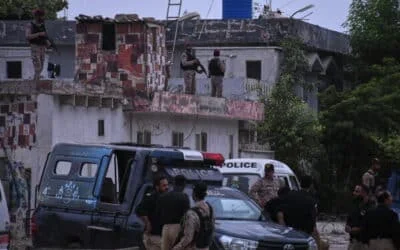
On May 7, Operation Sindoor was undertaken by India following a deadly terrorist attack in Pahalgam in April 2025. The attacks were allegedly targeting terrorist camps, said to be operated by Lashkar-e-Taiba and Jaish-e-Mohammed, operating from the Pakistan territory. Nevertheless, such operations led to the loss of at least 31 lives in the ranks of civilians, including women and children, and 57 persons were wounded. Shortly after the attacks, Pakistan condemned them vehemently, terming it an “act of war” and highlighting that none of the sites attacked were militant camps.
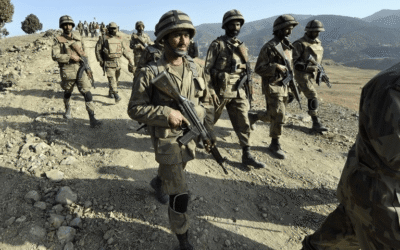
As a counter-punch, the Pakistan Army then gave a fitting and disciplined counter-strike using the Line of Control (LoC). Pakistani troops reportedly targeted Indian bases, and more than two dozen Indian Military posts were destroyed. The media briefings of ISPR backed these military responses and Indian bunker demolition, and Indian surveillance drones bringing in Pakistani airspace being shot down were published.
One of the major occurrences that took place during the escalation was the application of the balance drone warfare, which was one of the first major battles in the air technology in the region. India put into use swarms of armed and surveillance drones to track and possibly attack targets across the LoC. Pakistan, in its turn, rebuffed with the help of radar-supported air defence systems, GPS jamming, and other anti-drone technologies, reportedly intercepting more than 12 Indian drones, both quadcopters and bigger unmanned aerial vehicles. ISPR presented this successful interception as an indication of the technological preparedness of Pakistan.
India uses its new secure defence equipment, S-400 Sudarshan Chakra and Rafale aircraft. With all these high-tech defences, India did not gain any significant value in the military. Its offensive actions could not weaken the Pakistan forces and the shift of the status quo across the LoC. Acts of counterstrikes and stern interventions by ISPR boosted national morale, whereas reports made by Indian and foreign forces resulted in frustration among Indian troops and commanders due to unclear strategic gains. The cross-border exchanges, rather than discouraging Pakistan, conspicuously corroborated its narrative of being ready and righteous protection, and reaffirmed the position of India as an aggressor in the region.
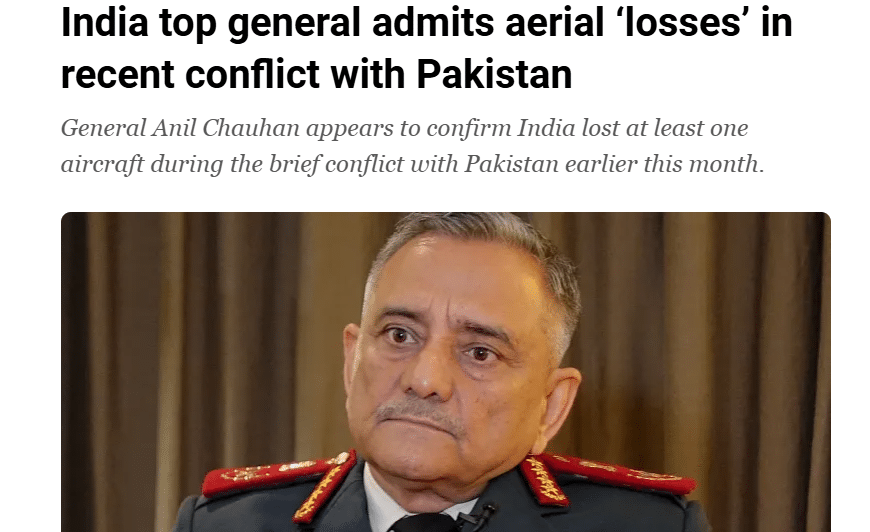
The recent military escalation between India-Pakistan resulted in significant losses for India, particularly in its air force. During the aerial engagements, Pakistan claimed to have shot down multiple Indian aircraft. While initial reports and Indian official statements were varied, more recent acknowledgments from Indian defense officials have confirmed some aerial losses. Credible sources, and validation of this claim by Pakistan’s Air Vice Marshal Aurangzeb Ahmed, confirm that Pakistan successfully downed one Indian MiG-21, in addition to other Indian fighter jets, including Rafales and Mirage 2000s. Though the exact numbers remain debated, the incurring of losses by India remains an undeniable fact. These losses represent a considerable setback for the Indian Air Force, highlighting vulnerabilities despite its ongoing modernization efforts.
Long-term Consequences and Tactical Fallout
Even more strategic implications had to be faced by India, following the outcomes of the Pahalgam crisis. Its coercive diplomacy and military pressure tried to change the ground realities, which was not successful, resulting in erosion of its credibility regarding the issue of Kashmir. In the fast-changing multi-polar world, the Indian rhetoric lost its attraction, with even allies calling for a talk rather than a fight. This international non-support showed India the diplomatic isolation it faced and also indicated that living up to these hardline styles toward regional conflicts no longer attracted international support as previously. Consequently, India might become considerably weaker in enforcing its demands in a possible regional crisis.
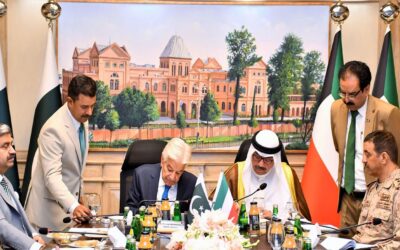
Pakistan, on the other hand, came out of the incident with an enlarged diplomatic power. Islamabad earned the respect of soft power by keeping its head cool when provoked and by portraying itself as the responsible actor. Its message of moderation, demands of investigation, and appeals to the international organisations resounded. Furthermore, the episode allowed Pakistan to strengthen its relationships with its major allies, in particular, with the countries with a Muslim population in the Gulf and with China, which did not take up the Indian stand. Pakistan was also able to put the international community on track about structural imbalances in South Asia, such as the unresolved Kashmir dispute and intolerance to dissent in India.