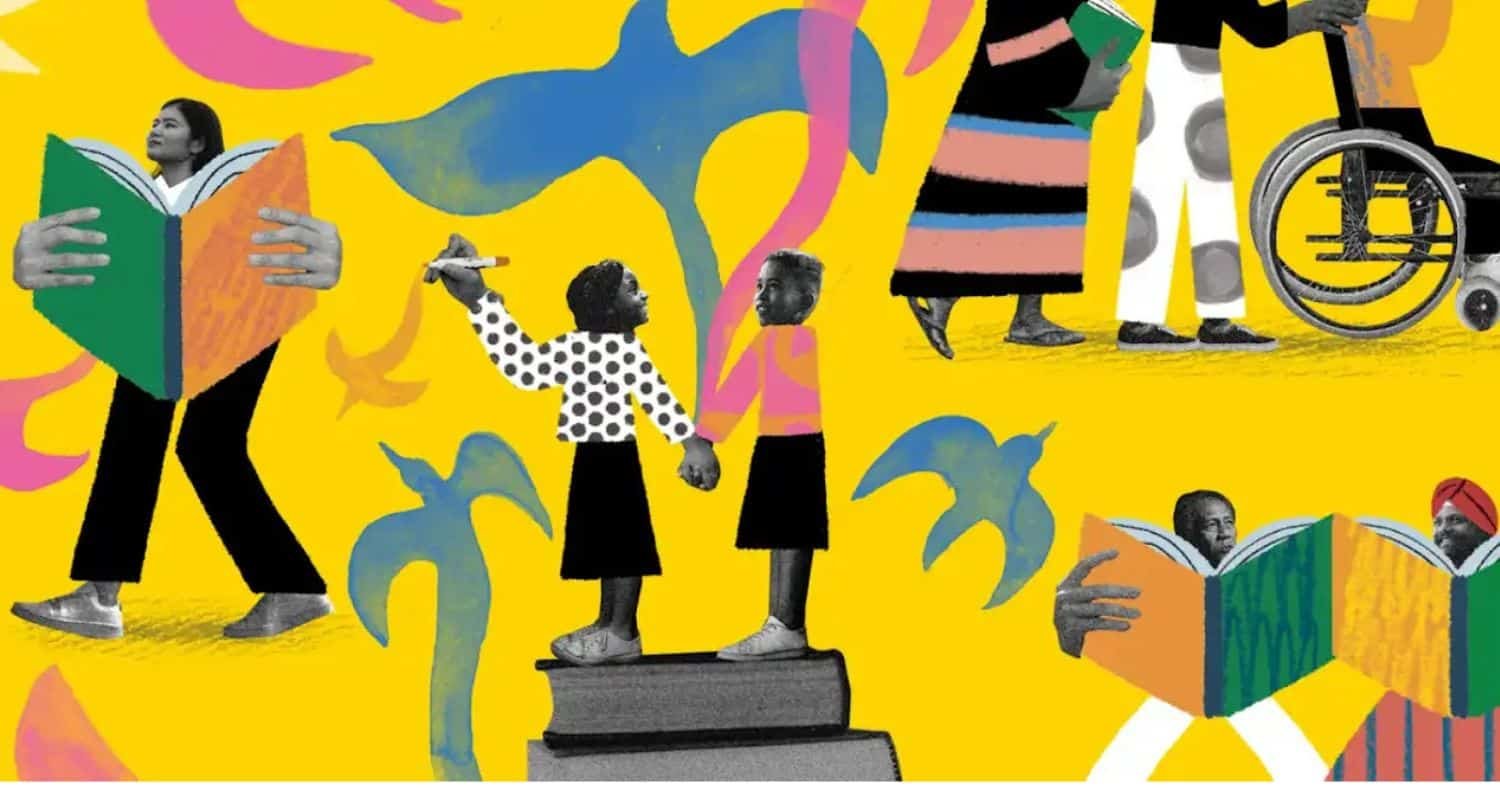





Each year on the 8th of September, it is International Literacy Day, a ceremony originally proclaimed by UNESCO back in 1967. The day is used to remind that literacy is not only the ability to read and write, but it is an essential human right and a magic wand with which to help people and the world change.
Education, employment, equality, and empowerment are the gates to literacy. It allows individuals to make good decisions and advance society to the stages of peace and development. It was noted that though the world has made a step forward in most regions, millions have remained illiterate; hence, the war against illiteracy is a top priority worldwide. International Literacy Day is hence not only a celebration of success but also a wake-up call towards the realization of the fact that education can and ought to be a right for everyone.
The Illiteracy of the World
UNESCO estimates that hundreds of millions of the world cannot read or write. Most of them are adults who did not receive the opportunity to attend school, and millions of students are absent from classes now and may become members of this circle.
There is no even distribution of illiteracy. The greatest challenges are seen in some areas, particularly in South Asia, Sub-Saharan Africa, and conflict-stricken regions. Children and adults are not always able to obtain education because of poverty, the absence of schools, social inequality, and gender discrimination. Females and girls are at an advantage more than the others, which further increases the gender disparity.
Illiteracy has far-reaching implications. The local population faces poverty rates, poor health statuses, and low progress opportunities in the communities of low literacy. Illiteracy restrains economic growth, and it becomes difficult to attain peace, equality, and sustainable development in societies. That is why the world should fight against illiteracy, not only by learning letters and words but by establishing better and more powerful societies.
The Role, and the Global Initiatives of UNESCO
In the year 1967, when UNESCO even introduced International Literacy Day, it was aimed at ensuring that the issue of illiteracy remained in the international focus. UNESCO acknowledged that literacy does not only belong to individuals but is the key to constructing fairer, equal, and peaceful societies. UNESCO wanted the governments and organizations to take education as a priority; thus, by dedicating a day to literacy, it would persuade them to make that decision.
UNESCO has, over the years, initiated numerous programs and campaigns in order to advance universal literacy. These involve: funding community-based educational institutions, teacher education, and adult education. The related efforts also aim at ensuring that literacy is made available in varied forms, including functional literacy (skills needed by everyday life), digital literacy skills (skills needed in the contemporary world), and lifelong learning (learners of all ages).
Another way through which UNESCO can find an association with governments, nongovernmental organizations, and local communities is by establishing effective partnerships to formulate long-term change. The organization provides recognition of successful stories through international conferences, research, and the further promotion of innovation in education through international Literacy Prizes, the winners of which are awarded by the United Nations Educational Fund. The world has such leadership that keeps literacy at the forefront of global development activities.
You May Like To Read: Dmitry Medvedev to Lead United Russia Delegation for North Korea’s 80th WPK Anniversary
Literacy, and Its Power
Literacy is much more than just a capacity to read and write, and it is becoming a means to empowerment. An individual who has writing and reading skills acquires self-confidence, autonomy, and has power to engage in societal life to the fullest. Literacy simplifies and enriches day-to-day life by being the key to reading a newspaper and knowing what rights a person has, or simply to complete the form, and even to reach health information.
Literacy is particularly potent among women and girls. When women are educated, they have better chances of being a part of the workforce, bringing up healthier families, and some contribute to the decision-making in their communities. Research demonstrates that female literacy has a positive outcome in the form of a healthy society, less poverty, and an economically prosperous society. Literacy acts as a way of rupturing the tendencies of inequality, as well as offering a voice to the marginalized groups of people.
In a broader context, literacy can also be accompanied by the United Nations Sustainable Development Goals (SDGs). It favors such objectives as poverty reduction, gender equality, decent work, and peace. By so doing, literacy is not only an individual goal but also a facilitator of national and global growth. It empowers people and thus makes whole societies stronger.
You May Like To Read: The Strait of Hormuz Question: What If Israel Did Not Safeguard U.S. Interests in the Gulf?
Progress, Successes, and Continuing Challenges
The fight against illiteracy around the world has witnessed a series of positive results over the years. Nations that faced very disadvantaged literacy have achieved a lot by investing continuously in education. Millions of people have become learners of reading and writing through community schools, literacy campaigns, and novel methods like mobile schools, digital learning networks, and volunteer-oriented teaching projects. Literacy programmes in other areas have provided second opportunities to adults who have not been in an institution, and hence, it is not too late to learn.
But the process is not over yet. There are still millions of children who are not enrolled in school, and other children who are in schools, find it very often that they leave school before mastering the simplest of skills. Gender inequality, poverty, the absence of trained instructors, and inadequate resources remain on the way to universal literacy. Education is one of the initial victims of conflict zones and districts affected by demotion or natural disasters and leaving generations of ignorant people.
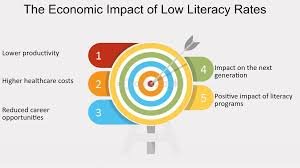
In some instances chapters in countries with high literacy, the newer challenges of computer literacy have been raised. There are a good number of individuals who have been excluded in the current world, given that they do not have access to technology or the internet. These realities help us матastically remember the fact that, though the process of progress exists and needs to be applauded, we need to continue fighting illiteracy by offering new solutions, and reinforce the sense of global responsibility.
You May Like To Read: From Colonial Mandates to Modern Occupations: The Continuity of Global Power Structures
A Global Call to Action
International Literacy Day is not just a day on the calendar, calendar rather an International Literacy Day that represents a reminder of how we as human beings have the joint role of ensuring that access to education is no longer seen as a privilege but a birthright. Governments, international organizations, teachers, and communities are the forces that need to act cogently to ensure that illiteracy ends. It also requires individuals to contribute as well by sponsoring literacy programs, volunteering through it, or merely creating awareness of the power of education.
Aspects of literacy form the key to progress. It makes people individual, families stronger, and nations stronger. Without it, dreams are unreachable, and chances are locked away. Equality, peace, and development doors are opened with it.
Since the world celebrates International Literacy Day on the first Monday of each year, it can serve as the pinnacle of successes and also as a rallying of action. Literacy elimination is not only an educational setting, but also a vow of dignity, empowerment, and a brighter future for everyone.
You May Like To Read: French Prime Minister Sébastien Lecornu Resigns Amidst Political Uncertainty