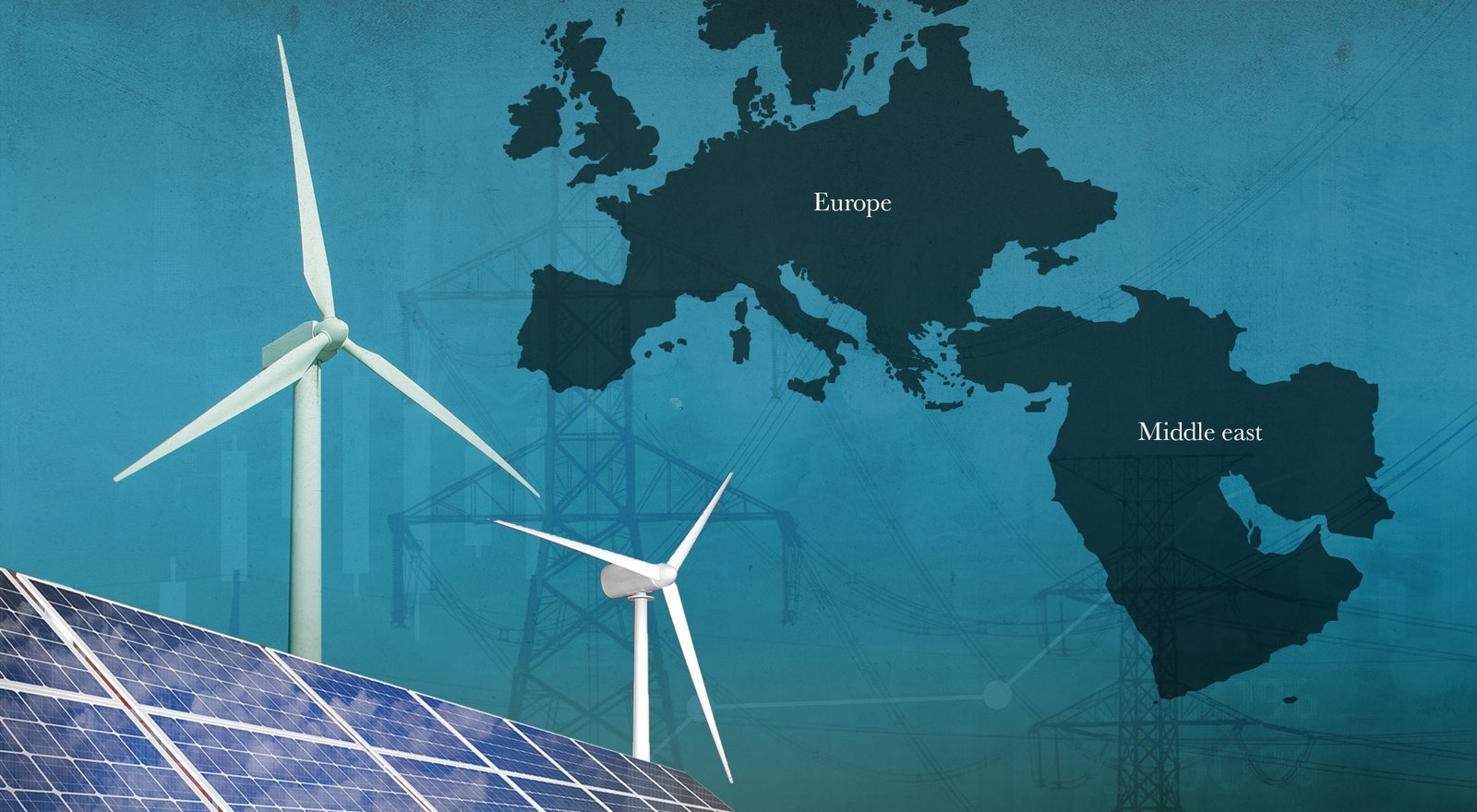




The recent closure of the Strait of Hormuz has starkly highlighted the precariousness of global reliance on oil and gas, serving as a critical wake-up call for nations worldwide. This incident, unprecedented in its impact over the past five decades, underscores the urgent need for a decisive shift towards renewable energy sources. Pakistan, having already witnessed a grassroots movement towards solar energy adoption, stands at a pivotal juncture to lead this global transition.
The past month alone saw a one percent decline in global energy generation from fossil fuels, a clear indicator of the accelerating shift already underway. While oil and gas companies may experience short-term gains from price surges, long-term foresight points to a future dominated by renewables. Countries and citizens alike are recognizing the economic and environmental imperatives of this transition. The inevitable proliferation of solar panels in cities like Karachi, Lahore, New Delhi, and Mumbai signals a natural market evolution where efficiency and affordability outcompete outdated fuel sources.
A Historical Perspective on Energy Evolution
The history of energy use is a testament to humanity’s continuous pursuit of efficiency. From wood to coal, and then to oil and gas, each transition has been driven by the quest for more effective and cleaner energy. The current large-scale shift towards renewables, exemplified by nations like Norway, Iceland, and Brazil, is not merely an environmental undertaking but a pragmatic response to the demand for greater efficiency. Many countries, including Canada, New Zealand, and Switzerland, already generate over half their electricity from renewable sources, demonstrating the feasibility and benefits of this transition.
Vested Interests vs. Natural Market Forces
Despite the clear advantages of renewable energy, the transition faces challenges from vested interests. Oil-rich nations, including those in the Gulf, Iran, Russia, and the United States, perceive a potential loss of influence with the decentralization of energy. However, prioritizing political and national interests over the natural market push towards cleaner, more efficient energy ultimately hinders progress and perpetuates vulnerabilities.
Pakistan’s Unique Opportunity
Pakistan, with its abundant solar, hydro, and nuclear resources, is uniquely positioned for energy self-sufficiency. While currently relying on conventional oil and gas for 46% of its electricity, the country generates 30% from hydropower, 18% from nuclear, and 5% from other renewables. Notably, non-fossil fuel sources often account for over half of Pakistan’s electricity during certain periods, with household solar contributing significantly, particularly during peak times.
This organic shift towards solar, often occurring despite governmental inertia, highlights the public’s readiness for change. Band-aid solutions, such as subsidies for motorcycles, offer temporary relief but fail to address the systemic issues. Instead, governments should focus on deregulation and policies that empower citizens to adopt solar energy, reducing dependency on imports and bolstering national currency.
Lessons from the Past and Present
The current energy crisis echoes the stagflation of the 1970s, a period marked by supply-side shocks from oil. Then, as now, the solution lies not in subsidies that fuel inflation but in fostering self-sufficiency and diversifying energy sources. Europe’s reliance on Russian oil, a consequence of abandoning nuclear energy for largely “hysterical reasons,” serves as a cautionary tale. Pakistan and other South Asian nations, with their vast renewable potential, must engage in similar self-reflection to reduce their dependence on external energy sources.
The Path Forward
The imperative for energy sovereignty is clear. Countries that demonstrate foresight in recognizing and adapting to the evolving energy landscape will gain a significant advantage. While short-term challenges may arise, the long-term benefits of a robust, diversified, and sustainable energy infrastructure are undeniable. Prioritizing the needs of the people, fostering energy independence, and embracing the true spirit of capitalism where efficiency and innovation thrive are crucial steps in navigating the current global energy crisis and securing a resilient future.