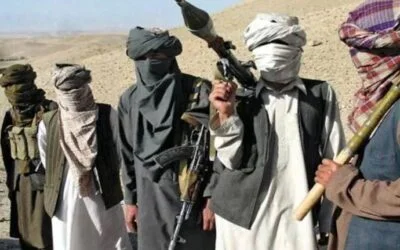



The fall of Kabul in August 2021 was viewed in Islamabad with cautious optimism. Many in Pakistan’s policy circles believed that the Afghan Taliban’s ascent to power would create an opportunity for a friendlier regime in Kabul, capable of stabilizing the frontier and helping curb militant violence along the porous Durand Line. Yet, nearly four years later, that expectation has eroded into frustration. The resurgence of the Tehreek-e-Taliban Pakistan (TTP)—rebranded by some as Fitna al Khawarij (FAK)—and its growing operational capacity has become a defining challenge for Pakistan’s national security. Central to this crisis is the Afghan Taliban’s alleged unwillingness, or inability, to curb FAK fighters who have found safe havens across the border.
You May Like To Read: Quetta Lecturer Exposed: India-Backed FAH’s Baloch Proxies Foiled Again
Cross-Border Havens and Tactical Operations
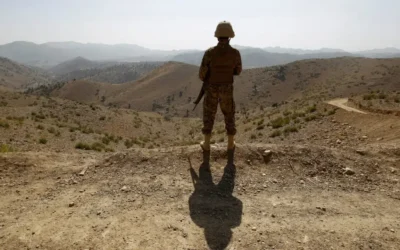
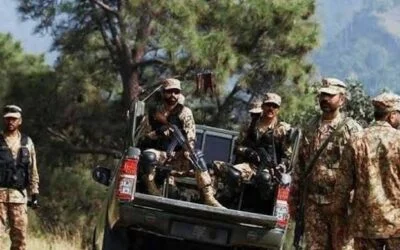
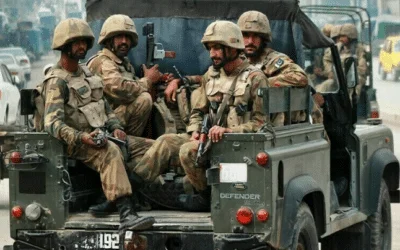
The FAK’s operational revival since 2021 has been closely tied to sanctuaries in Afghanistan. Despite repeated assurances from Kabul, Pakistani intelligence reports and military briefings consistently point to the use of Afghan territory for staging attacks. Recent incidents along the Khyber Pakhtunkhwa and Balochistan frontiers highlight how FAK cells exploit mountainous corridors to infiltrate, ambush border posts, and return to Afghan soil before Pakistani forces can retaliate.
One particularly deadly episode occurred in North Waziristan in late 2023, when militants killed multiple security personnel in an ambush. Pakistan’s Ministry of Foreign Affairs later stated that the attackers had originated from Afghanistan and retreated back into Afghan territory after the assault. Similar claims have been made after suicide bombings targeting police stations, Frontier Corps checkpoints, and even Chinese nationals working on infrastructure projects tied to CPEC.
The Afghan Taliban leadership, meanwhile, has denied providing material support to the FAK but has shown little political will to dislodge them from Afghan provinces like Kunar and Nangarhar, where the group is widely reported to maintain camps. This “strategic ambiguity” has fueled accusations that Kabul is turning a blind eye to FAK activity as a pressure tactic against Islamabad.
🚨🚨54 Terrorists Eliminated🚨🚨#ISPR
On night 25/26 and 26/27 April 2025, movement of a large group of khwarij, who were trying to infiltrate through #Pakistan – #Afghanistan border, was detected by the security forces in area of Hassan Khel, North Waziristan District.Our… pic.twitter.com/rmUzcBAj6g
— Pakistan Armed Forces News 🇵🇰 (@PakistanFauj) April 27, 2025
Diplomatic Strain Between “Brothers”
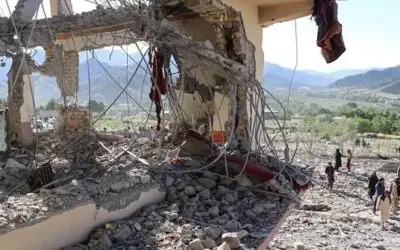
What should have been a “brotherly” post-U.S. withdrawal partnership has instead devolved into a cycle of recrimination. Pakistan has lodged formal protests and even launched cross-border strikes on suspected FAK hideouts, an extraordinary measure that underscores the depth of frustration. The Taliban government has responded with sharp rhetoric, accusing Pakistan of violating Afghan sovereignty.
These exchanges have severely strained bilateral relations at a time when both countries face overlapping economic crises and humanitarian concerns. For Pakistan, the “bad neighbor policy” threatens not only its counter-terrorism agenda but also its broader regional standing. Islamabad’s ability to promote connectivity projects such as CPEC extensions into Central Asia, or to play a constructive role in Afghan reconstruction, is undermined when border security remains perpetually fragile.
The Cost of Border Militarization
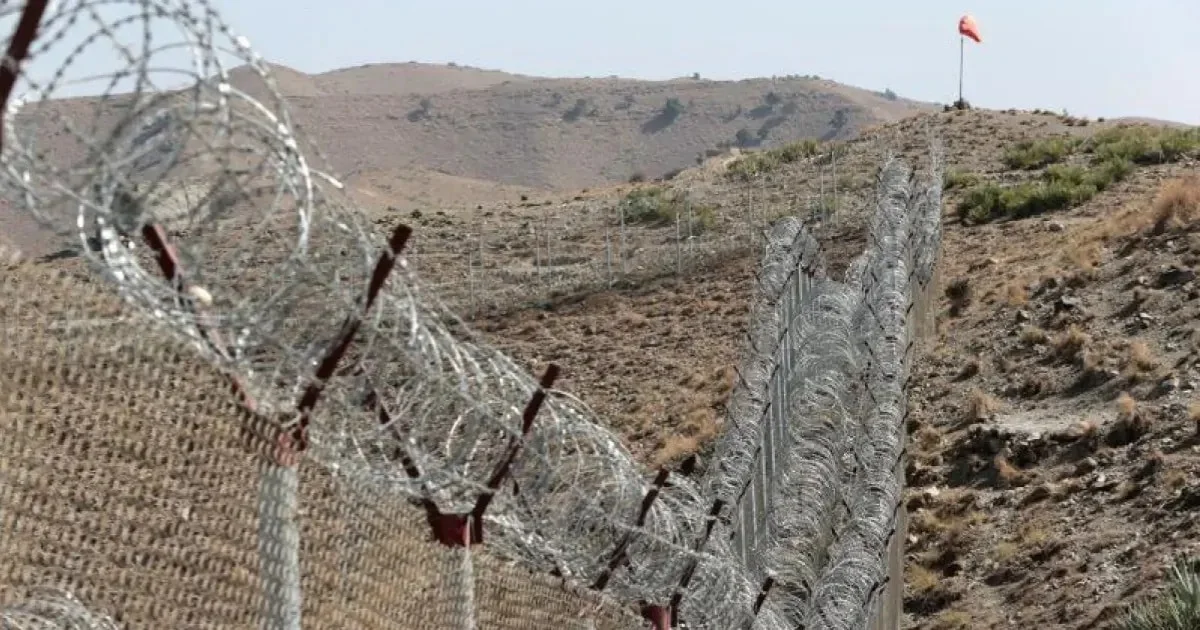
Pakistan has responded to the FAK’s cross-border tactics with costly defensive measures. The fencing of the 2,600-kilometer Durand Line, estimated at over USD 500 million, is one of the most extensive border fortification projects in the region. Yet, despite this formidable barrier, infiltration persists through rugged terrain, covert tunnels, and collusion with local facilitators.
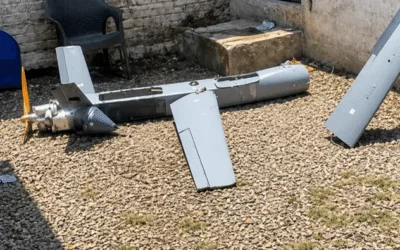
The deployment of additional troops, drones, and surveillance technology comes with heavy financial and social costs. Local communities, long dependent on cross-border trade and kinship ties, now face disruptions in livelihoods and movement. What was once a porous tribal frontier governed by Pashtunwali customs has been transformed into a militarized buffer zone, sowing resentment among border populations.

Regional Security, and Sovereignty at Stake
The persistence of FAK sanctuaries in Afghanistan is not merely a bilateral problem—it is a regional security challenge. The group’s attacks destabilize not only Pakistan but also cast doubt on Kabul’s ability to prevent Afghan soil from being used as a base for international terrorism. For Pakistan, the dilemma is existential: a neighbor that once promised strategic depth now functions as a sanctuary for its most dangerous enemy.
This erosion of sovereignty is two-fold. First, Pakistan’s border control efforts are repeatedly undermined by the FAK’s ability to exploit Afghan havens. Second, the perception of Kabul’s permissiveness emboldens other separatist and militant groups who view state boundaries as negotiable.
Counter-Insurgency and Policy Options
Pakistan faces a limited set of choices in addressing this cross-border menace. Purely military solutions—airstrikes, raids, and expanded fencing—may contain but cannot eliminate the threat. A more comprehensive counter-insurgency doctrine requires a dual approach:
- Diplomatic Pressure: Sustained international engagement is essential. Highlighting Kabul’s failure to curb the FAK at forums such as the UN and SCO may raise costs for the Taliban leadership.
- Economic Leverage: Given Afghanistan’s dependence on cross-border trade and transit, Islamabad can leverage access and incentives to push Kabul toward greater accountability.
- Local Community Empowerment: Strengthening border communities through development projects and political inclusion can reduce the FAK’s recruitment pool and logistical support base.
- Regional Cooperation: Engaging China, Iran, and Central Asian states, all of whom have an interest in stable Afghan-Pakistani borders, could broaden pressure on the Taliban government to act against militant sanctuaries.
The Afghan Taliban’s “bad neighbor policy”—whether by design or neglect—has become a strategic liability for Pakistan. As long as the FAK can exploit Afghan soil for cross-border operations, Pakistan’s sovereignty, regional stability, and counter-terrorism objectives will remain compromised. The challenge for Islamabad is to craft a policy that balances military deterrence with diplomatic and economic instruments, transforming a volatile frontier into a managed boundary. Without such recalibration, the shadow of militancy will continue to darken prospects for both Pakistan and Afghanistan, perpetuating a cycle of mistrust that neither country can afford.
You May Like To Read: The Takfiri Contagion: Analyzing the Theological Evolution and Spread of Excommunication Narratives in Pakistan’s Extremist Milieu