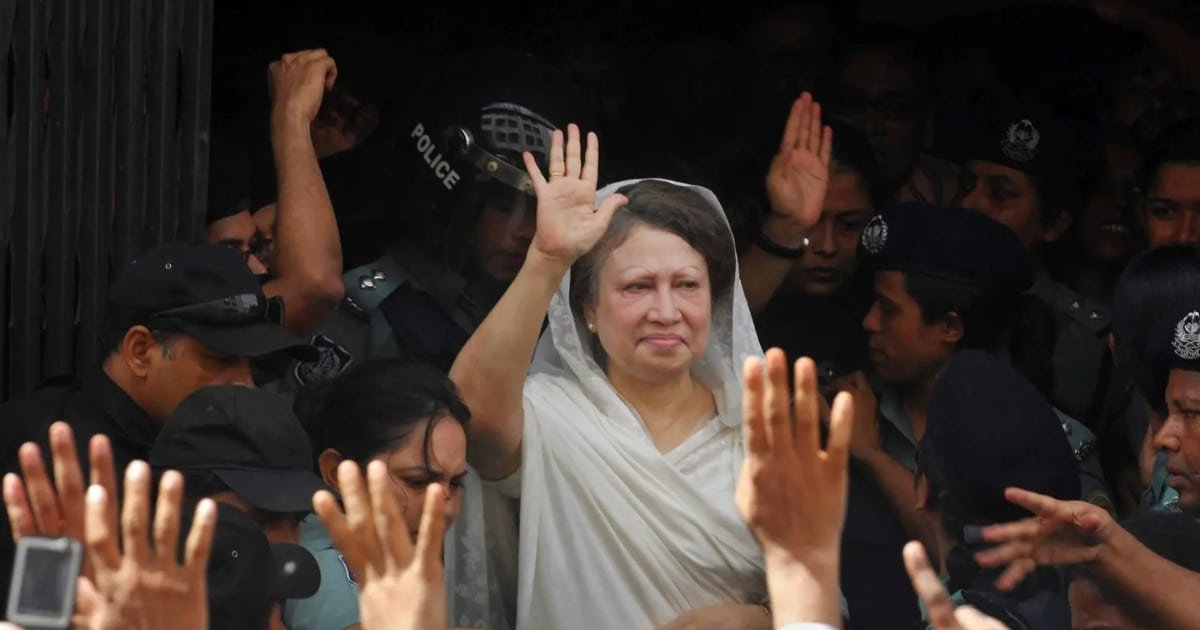




Hundreds of thousands of mourners gathered in the capital today to pay their final respects to former Prime Minister Khaleda Zia, who passed away on Tuesday at the age of 80 following a prolonged illness. The state funeral marks the conclusion of an era for the woman who served as the nation’s first female prime minister and became a central pillar of its democratic aspirations.
Khaleda Zia, Bangladesh’s first woman PM, dies at 79. Here’s a deep dive into her life of power and resistance https://t.co/eCS6qjKmzu pic.twitter.com/HtUi6obEA7
— Al Jazeera English (@AJEnglish) December 30, 2025
The Funeral Procession
A solemn motorcade, featuring a hearse draped in the national flag, moved through the streets surrounding the Parliament House. The massive turnout included supporters from across the country and citizens who viewed Zia as a symbol of resistance and resilience.
Flags were flown at half-mast across all government buildings, and a heavy security presence was maintained to manage the historic crowds. Following the rites, she was buried alongside her husband, the late President Ziaur Rahman.
BNP Chairperson and former Prime Minister Khaleda Zia was laid to rest beside her husband, former President and BNP founder Ziaur Rahman. She was buried with full state honors at Zia Udyan in the capital. (Info & photo: BNP Media Cell) Bangladesh remembers her leadership. Always. pic.twitter.com/CJ22b05W8N
— Mizanur Rahman Polash (@SEO_Mizanur_BD) December 31, 2025
International and National Attendance
The ceremony saw significant international representation, reflecting Zia’s standing in the region. Notable attendees included:
- S. Jaishankar, External Affairs Minister of India
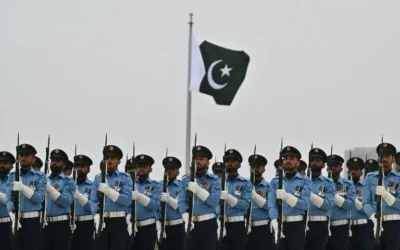
- Sardar Ayaz Sadiq, Speaker of the National Assembly of Pakistan
- Lyonpo DN Dhungyel, Foreign Minister of Bhutan
Members of the Bangladesh Nationalist Party (BNP) and various civil society leaders were also present to honor her legacy.
A Legacy of Leadership and Resilience
Khaleda Zia’s political journey was characterized by her transition from a homemaker to an “uncompromising leader.”
- Democratic Struggle: She was instrumental in the movement against military dictatorship in the 1980s and served two terms as Prime Minister (1991 and 2001).
- Social Impact: Mourners highlighted her contributions to women’s empowerment, particularly the introduction of educational stipends that transformed the lives of millions of young girls in Bangladesh.
- Political Resistance: In her later years, she remained the most prominent symbol of opposition, maintaining her political principles despite years of legal challenges and health struggles.
Future of the BNP
The passing comes as the BNP prepares for the February 2026 general elections—the first since the revolution last year. Zia had been slated to contest three constituencies. Her son, Tarique Rahman, who recently returned from 17 years in exile, is expected to lead the party moving forward.
You May Like To Read: Turkey Detains 357 Suspected IS Members Following Deadly Siege
“The country mourns the loss of a guiding presence that shaped its democratic aspirations,” Mr. Rahman stated, honoring his mother’s lifelong commitment to the people of Bangladesh.
Check out our latest video: