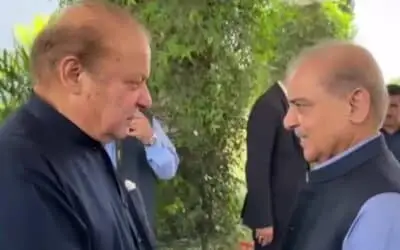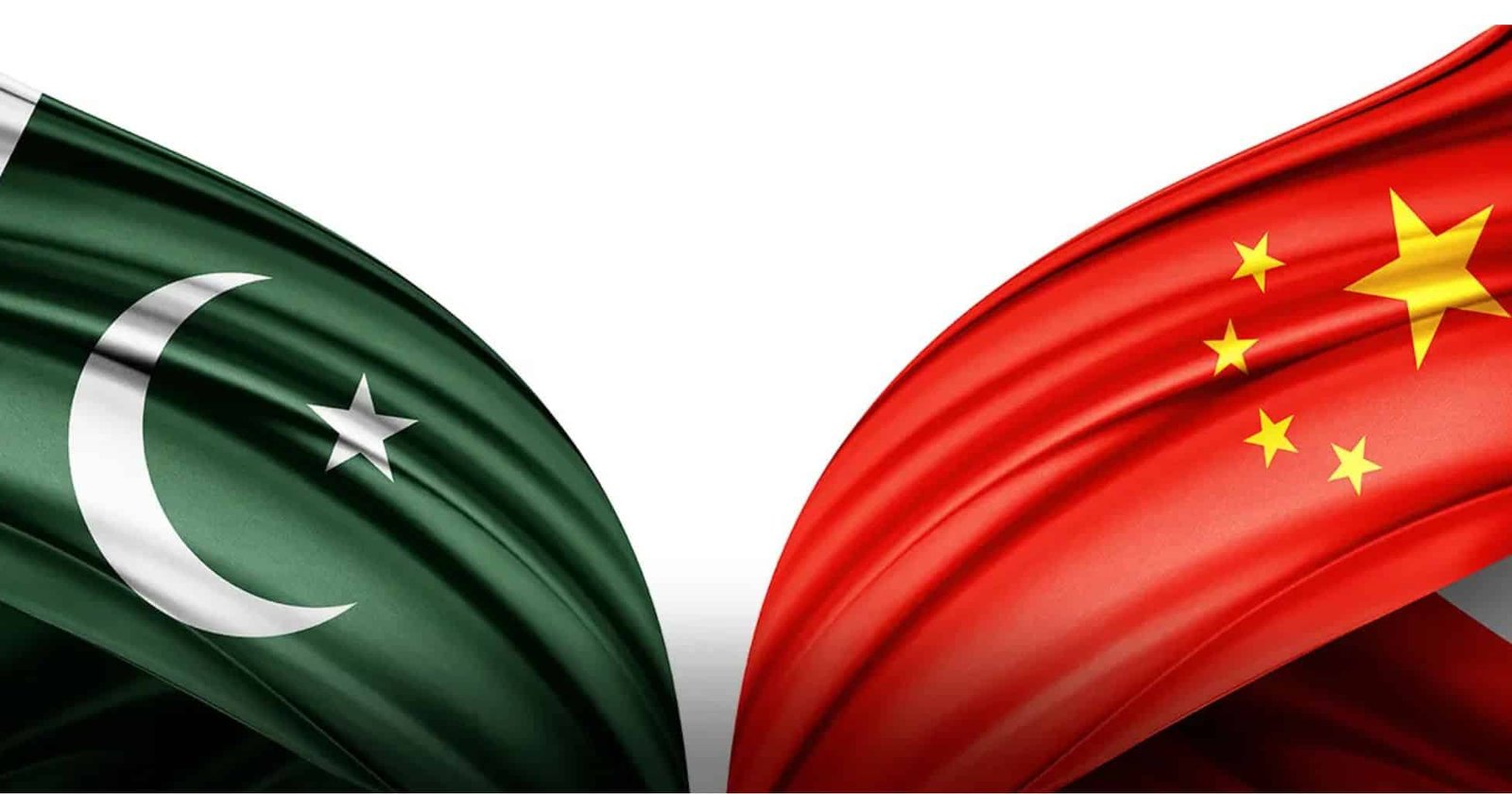





In a historic visit to China, Prime Minister Shehbaz Sharif and his Chinese counterpart, Premier Li Qiang, today ushered in a new era of bilateral cooperation by formally launching the second phase of the China-Pakistan Economic Corridor (CPEC 2.0). The visit, which underscored the unparalleled strategic friendship between the two nations, culminated in the signing of 21 new Memoranda of Understanding (MoUs) and joint ventures valued at approximately $8.5 billion. The Prime Minister’s visit was further distinguished by his special status as the guest of honor at the Chinese Victory Day Parade, a clear testament to the depth of the fraternal bond between Pakistan and China.
Launching a New Era with CPEC 2.0
The meeting between Prime Minister Shehbaz Sharif and Premier Li Qiang was termed “most productive” and solidified a shared vision for the future. Both leaders reaffirmed their commitment to working closely on the next phase of upgraded CPEC 2.0, which will feature five new corridors. This new phase shifts the focus from purely infrastructure development to a more comprehensive model of industrial and technological collaboration, aiming for shared prosperity.
Prime Minister Sharif highlighted CPEC’s significant contribution to Pakistan’s socio-economic development over the past decade. He also pressed for the accelerated implementation of flagship projects, including the Main Line-1 (ML-1) railway project, the realignment of the Karakoram Highway, and the full operationalization of the Gwadar Port, all of which are central to the new phase of development.
Unprecedented Investment, and Strategic Alliances
The MoUs signed cover a wide spectrum of sectors, signaling a strategic diversification of the CPEC framework. The agreements focus on critical areas such as science and technology, information technology, media, investment, agriculture, and industry. In a key financial move to bolster economic ties, Prime Minister Sharif also announced Pakistan’s intent to float Panda Bonds in the Chinese capital market.
Addressing a distinguished gathering of Chinese business leaders at the Pak-China B2B conference, Prime Minister Sharif extended a strong invitation for enhanced investment under the banner of CPEC 2.0. He made an unequivocal pledge, stating that the security of Chinese citizens in Pakistan is “paramount” and a collective responsibility. He also assured potential investors that his government would not tolerate “even a second’s delay” in facilitating their projects, emphasizing a commitment to removing bureaucratic obstacles and promoting a “no red tape” environment.
You May Like To Read: Israeli Strikes in Doha Condemned as “Reckless” Violation of Sovereignty | Jeopardizing Ceasefire Talks
Deepening Cooperation in Agriculture, and High-Tech
A significant portion of the new agreements, specifically 26 MoUs valued at $4 billion, are dedicated to the agriculture sector. These initiatives are focused on enhancing food security and productivity in Pakistan through modern techniques such as mechanization, seed development, smart farming, and precision agriculture.
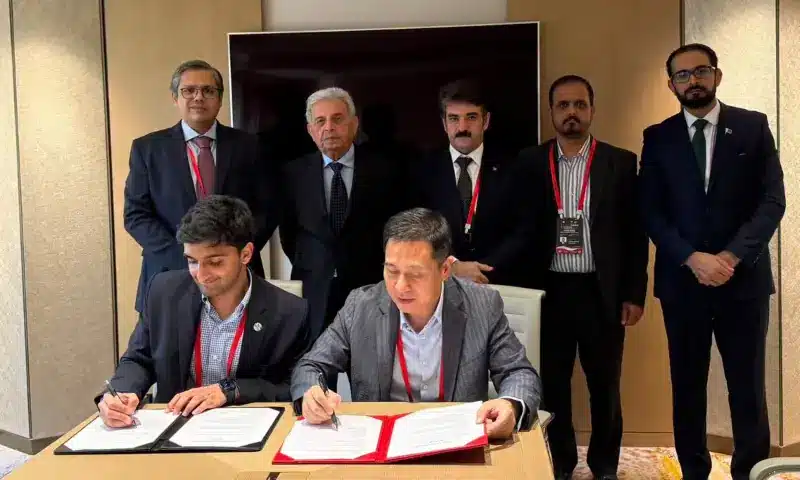
A major highlight was the agreement between Pakistan and the Chinese aerospace firm PIESAT, a $406.4 million deal to assist Pakistan in constructing an integrated satellite system. This transformative project, which will include the launch of 20 satellites and the construction of a satellite manufacturing facility, is aimed at improving real-time communication and remote sensing capabilities. It represents a major step towards technology transfer and the development of Pakistan’s independent capabilities in the satellite sector.
Strengthening Defence, and Security
The two nations also committed to strengthening their defence and security partnership. According to a joint action plan, Pakistan and China will work together to combat terrorism, underscoring their shared resolve to ensure regional peace and stability. This collaboration is a testament to the robust defence cooperation that has long been a cornerstone of their relationship.
A Future of Shared Prosperity
In a final address, Prime Minister Shehbaz Sharif noted that Pakistan offers a “unique comparative advantage” with its skilled workforce, cost-effective labor, and strategic connectivity to regional and global markets. The successful conclusion of his visit marks a new chapter in the enduring bond between Pakistan and China, transforming their historic friendship into a dynamic, multi-faceted partnership focused on tangible economic and industrial gains for both nations.
You May Like To Read: FIA Crackdowns on Hundi-Hawala, and Human Smuggling Networks