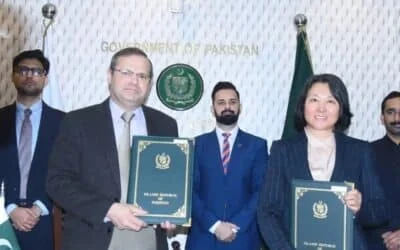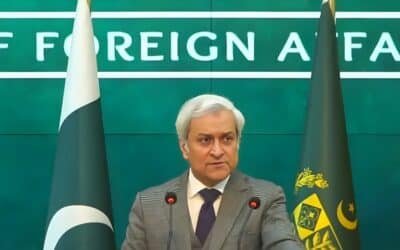


Addressing the United Nations Security Council (UNSC) on Tuesday, Pakistan’s Deputy Permanent Representative, Ambassador Usman Jadoon, underscored that the complete resolution of chemical-weapons-related issues in Syria is inextricably linked to the cessation of foreign military occupation, air strikes, and the persistent threat of terrorism.
The briefing comes at a critical juncture for the post-Assad Syrian administration, as the international community seeks to verify the full scope of the country’s past chemical weapons program following the collapse of the previous regime in late 2024.
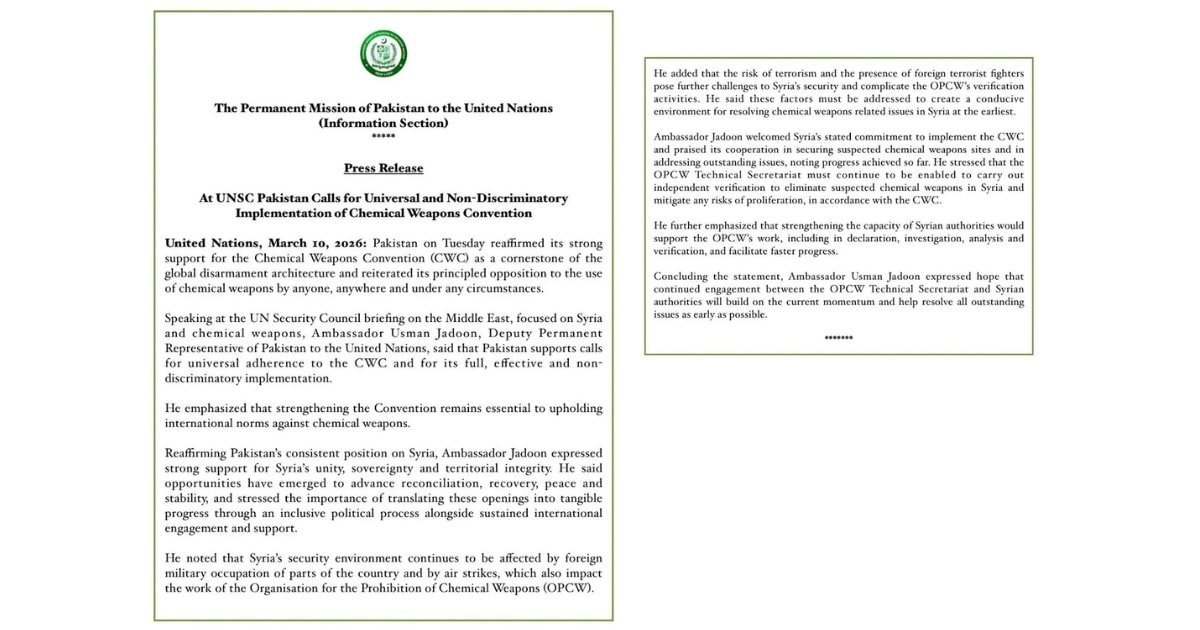
At UNSC Pakistan Calls for Universal and Non-Discriminatory Implementation of Chemical Weapons Convention
– Our Press Release pic.twitter.com/QsNNjUs1u1
— Permanent Mission of Pakistan to the UN (@PakistanUN_NY) March 11, 2026
Occupation, Terrorism, and Proliferation
Ambassador Jadoon highlighted a complex “security-disarmament nexus,” noting that verification activities by the Organization for the Prohibition of Chemical Weapons (OPCW) are currently hindered by external and internal security challenges.
-
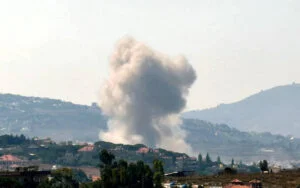
Foreign Interference: Pakistan pointed to the continued occupation of parts of Syria and ongoing air strikes as primary obstacles to creating a “conducive environment” for disarmament.
-
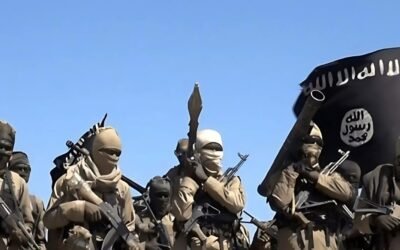
Terrorist Challenges: The presence of foreign terrorist fighters remains a significant threat, not only to Syria’s internal security but also to the safety of international inspection teams.
-
Independent Verification: Pakistan reiterated that the OPCW Technical Secretariat must be enabled to carry out independent, expedited verifications to eliminate any remaining risks of proliferation, in strict compliance with the Chemical Weapons Convention (CWC).
Supporting the “New Era” in Damascus
The Pakistani envoy welcomed the commitment shown by the current Syrian authorities to cooperate with global watchdogs—a marked shift from a decade of obstruction.
-
Enhanced Capacity: Jadoon called for the international community to enhance the technical capacity of Syrian authorities in areas of declaration, investigation, and analysis to accelerate the closing of the “chemical dossier.”
-
Undeclared Sites: Recent OPCW findings suggest that over 100 sites—beyond the 26 originally declared—may have been involved in the previous government’s chemical activities. Pakistan expressed hope that continued engagement would resolve these “outstanding issues” at the earliest.
-
Evidence of Progress: The Council was briefed on a recent mission to the Aleppo area where, despite the disappearance of 75 undeclared cylinders, the Syrian National Authority facilitated access to a scrapyard for sample collection and verification.
Sovereignty and Territorial Integrity
Reaffirming Pakistan’s long-standing diplomatic principles, Ambassador Jadoon strongly supported Syria’s unity, sovereignty, and territorial integrity.
“Important opportunities have emerged to advance reconciliation and recovery in Syria. It is imperative that we turn these opportunities into concrete progress through an inclusive political process and sustained international support.” — Ambassador Usman Jadoon
You May Like To Read: Law Minister Issues Urgent Advisory to Media on Middle East Coverage and Foreign Policy