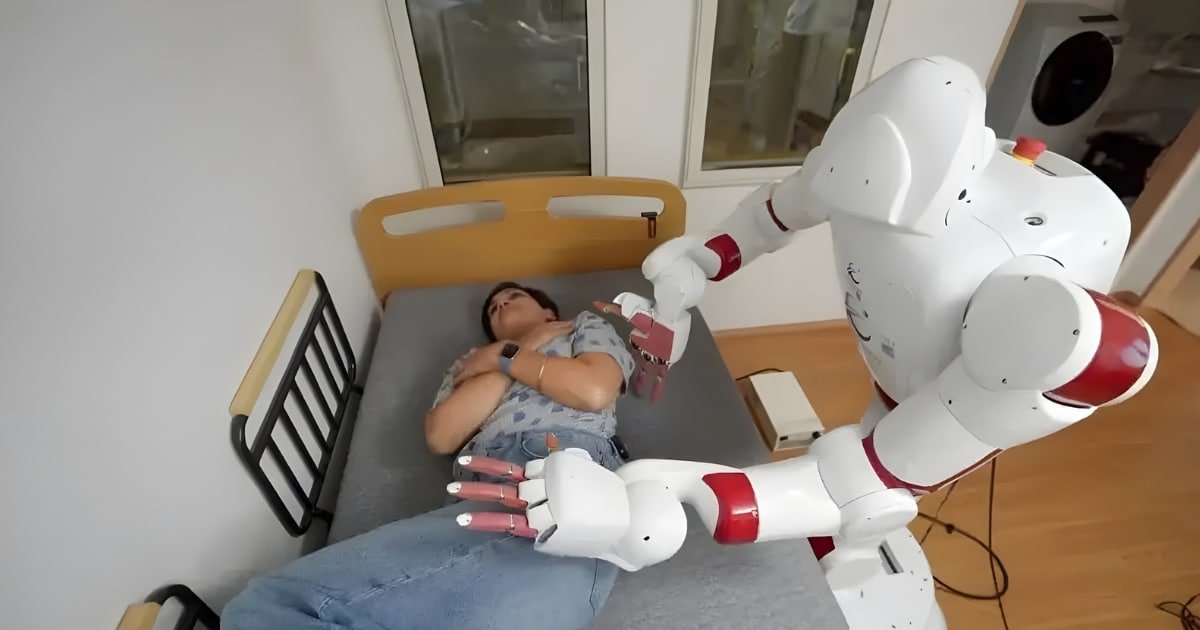





Japan, the world’s oldest society, is facing a severe dementia crisis, evidenced by the fact that over 18,000 older people living with the condition went missing last year, with almost 500 found dead, forcing the government to announce a strong pivot toward technology to alleviate the pressure.
With dementia-related costs expected to soar to 14 trillion yen ($90 billion) by 2030 and a shrinking workforce limiting human caregivers, the nation is rapidly adopting smart solutions.
These range from GPS-based systems like wearable tags that alert authorities and local convenience-store workers when a person wanders from a designated safe zone, creating an extensive community safety net to locate the missing within hours.
Japan is facing a dementia crisis – can technology help? https://t.co/CnLsro2ugw pic.twitter.com/laZFPEnGO6
— World News (@Worldnews_Media) December 7, 2025
Furthermore, Artificial Intelligence is being deployed for earlier detection, with tools like Fujitsu’s aiGait analyzing posture and walking patterns to help doctors intervene sooner. For hands-on care, researchers at Waseda University are developing the 150kg humanoid robot AIREC, designed to assist with tasks like folding laundry and, eventually, changing diapers, though experts caution that the required precision and safety will take at least five years to perfect.
While innovative companion robots like Poketomo offer emotional support and combat social isolation, experts stress that technology should only supplement, not replace, the irreplaceable value of human connection and community support.
You May Like To Read: Australia Sanctions Taliban Officials Over Oppression of Women’s Rights