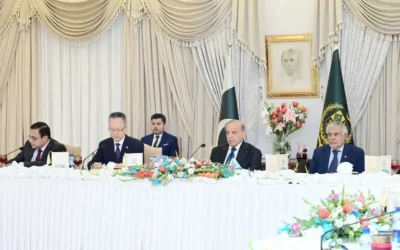

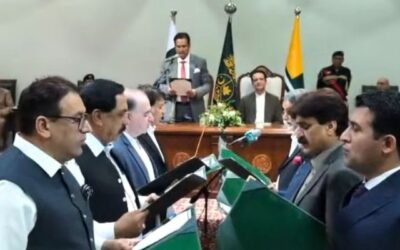


Prime Minister Shehbaz Sharif confirmed on Sunday that Pakistan has received Iran’s response to a U.S. peace proposal, highlighting Pakistan’s ongoing commitment to fostering lasting peace in the region and beyond. The Prime Minister’s announcement came during an anniversary ceremony in Islamabad, where he stated, “Just now the field marshal was telling me that Iran’s response has been received.”
Iran has emphasized that its engagement with the U.S. aims to defend its rights and national interests, not to surrender. President Masoud Pezeshkian affirmed, “If there is any talk of dialogue or negotiation, it does not mean surrender or backing down, but rather the goal is to secure the rights of the Iranian nation and powerfully defend national interests.”
According to the Islamic Republic News Agency (IRNA), the current phase of negotiations focuses on the cessation of hostilities in the region.
Iran has formally presented to Pakistani mediators its response to the latest US proposal aimed at ending the war of aggression against the country, a source familiar with the matter confirmed on Sunday.https://t.co/swlVezmisJ pic.twitter.com/pi4tt3MiBq
— IRNA News Agency ☫ (@IrnaEnglish) May 10, 2026
Iran’s Armed Forces Enhance Readiness
Amidst these diplomatic efforts, Ayatollah Mojtaba Khamenei has issued directives to strengthen the readiness and operational posture of Iran’s Armed Forces. Major General Ali Abdollahi reported that Iranian forces are at a high level of preparedness, equipped to counter any hostile action.
Qatar’s Mediation Efforts
Qatari Prime Minister and Foreign Minister Sheikh Mohammed bin Abdulrahman bin Jassim Al Thani spoke with Iranian Foreign Minister Abbas Araghchi, reviewing efforts to achieve regional peace and stability. Al Thani affirmed Qatar’s support for peaceful resolution and emphasized the importance of freedom of navigation, particularly in the Strait of Hormuz.
رئيس مجلس الوزراء وزير الخارجية @MBA_AlThani_ يجري اتصالاً هاتفياً مع وزير الخارجية الإيراني
الدوحة | 10 مايو 2026
أجرى معالي الشيخ محمد بن عبد الرحمن بن جاسم آل ثاني، رئيس مجلس الوزراء وزير الخارجية، اتصالاً هاتفياً، مع سعادة السيد عباس عراقجي، وزير الخارجية بالجمهورية… pic.twitter.com/omvPYnkIwl
— الخارجية القطرية (@MofaQatar_AR) May 10, 2026
Escalating Tensions in the Strait of Hormuz
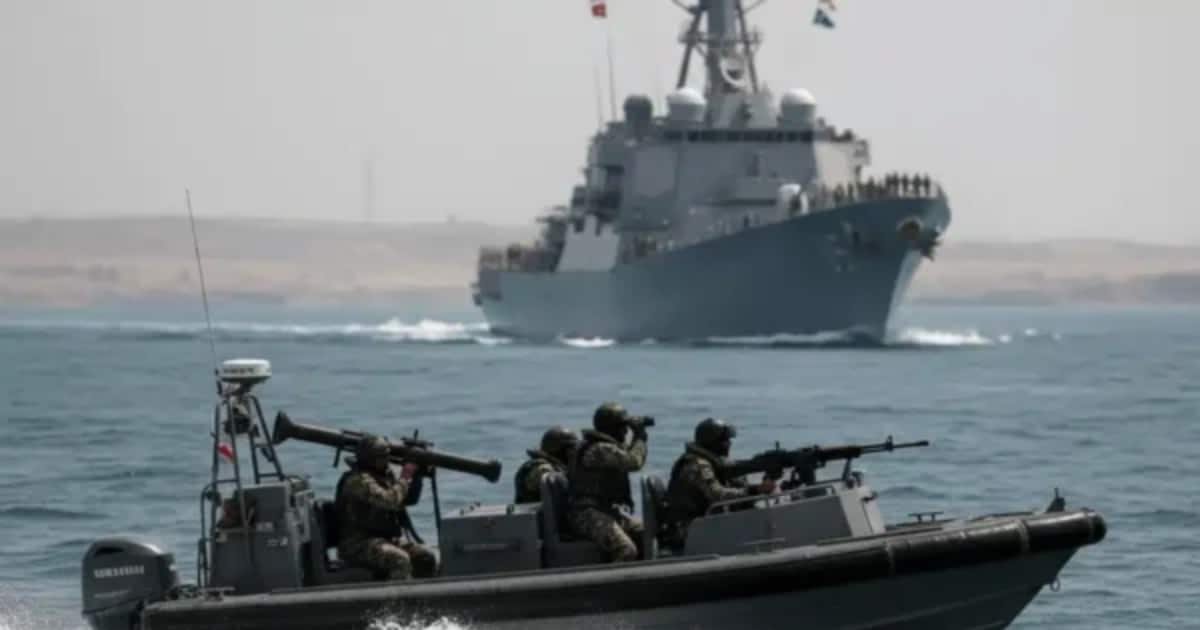
Tensions remain high as the Islamic Revolutionary Guards Corps (IRGC) warned the U.S. against further strikes on Iranian vessels, threatening retaliation. Meanwhile, a cargo vessel was struck by an unknown projectile near Doha, prompting investigations.
U.S. Seeks Allied Support
U.S. Secretary of State Marco Rubio met with the Qatari Prime Minister to discuss continued collaboration in deterring threats and promoting stability in the Middle East. Washington has been urging allies to support efforts to reopen the Strait of Hormuz, a critical waterway for global energy supplies.
Strait of Hormuz: A Flashpoint
Recent days have seen increased military activity in and around the Strait of Hormuz, with reports of clashes between Iranian forces and U.S. vessels. Iran has largely blocked non-Iranian shipping through the strait, leading to concerns about a global energy crisis.
A trigger happy bravado with brinkmanship approach and ballyhoo and hullabaloo in the ivory tower of hallucinatory charlatanism bears nothing than tension and escalation.
That is not the way Diplomacy works. pic.twitter.com/wPCTMKvyqk
— Reza Amiri Moghadam (@IranAmbPak) May 10, 2026
Conflicting Assessments on Economic Impact
While Washington imposed a blockade on Iranian vessels, conflicting reports have emerged regarding the economic impact of the blockade. A CIA assessment suggested Iran could withstand the blockade for several months, while a senior intelligence official disputed these claims.
Diplomatic Efforts Continue
Despite the tensions, diplomatic efforts are ongoing. Britain is working with France on a proposal to ensure safe transit through the Strait of Hormuz once the situation stabilizes.
You May Like To Read: Australia Sanctions BLA for Terrorist Activities
Check out our latest video: