




Against the backdrop of a highly volatile regional conflict altering global shipping lanes, the Government of Pakistan has launched a major diplomatic and economic push to finalize a stalled $10 billion Saudi Arabian oil refinery and strategic fuel reserve project at the crucial Gwadar Port.
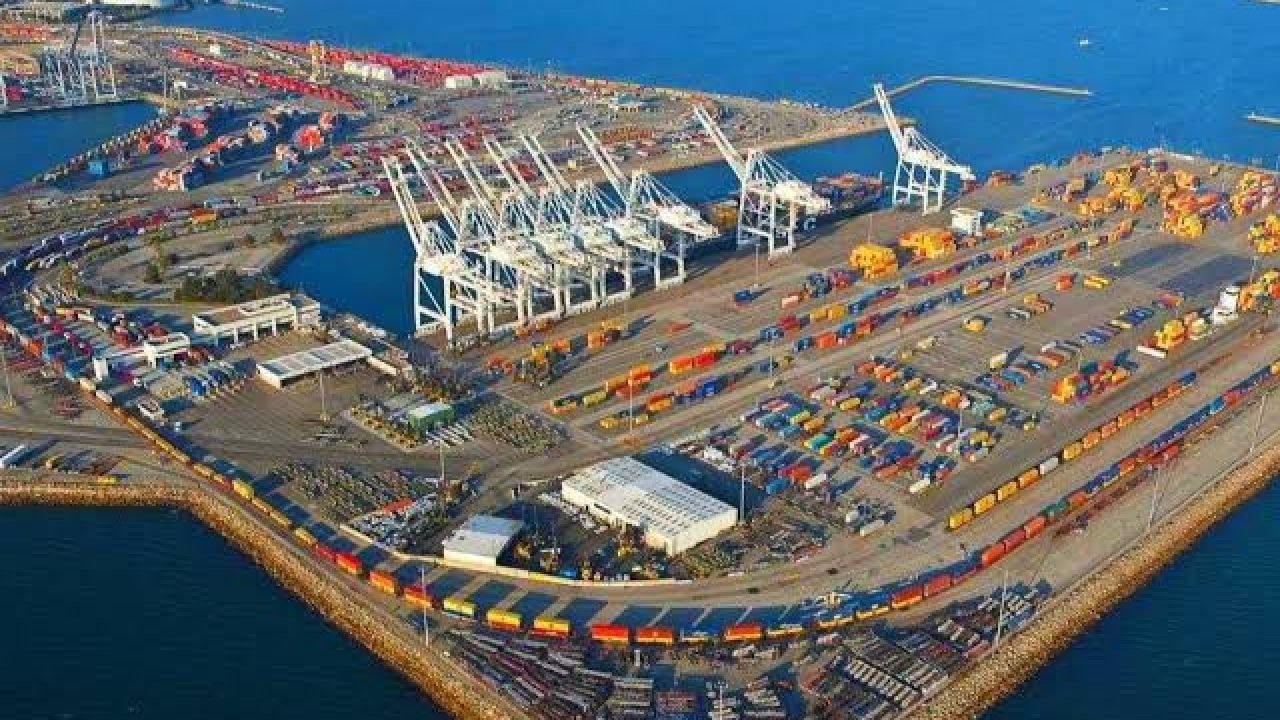
The renewed urgency comes as commercial traffic at Gwadar Port has surged by an unprecedented 30% in recent months. The ongoing hostilities in the Middle East have driven international commercial vessels to increasingly rely on Pakistani ports as highly secure hubs for transshipment and transit trade, rapidly establishing Gwadar as a vital maritime sanctuary.
Islamabad offers Gwadar refinery, LNG and LPG terminals at Karachi Port as 100 acres are cleared for proposed industrial projects
Read: https://t.co/I1lg9Gd4p7 pic.twitter.com/36rK4heMET
— Profit (@Profitpk) June 5, 2026
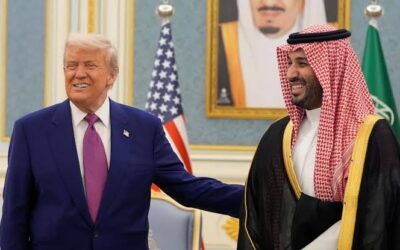
The economic maneuvering culminated in a high-stakes, two-day summit in Islamabad concluding today. A powerful Saudi Arabian trade delegation, led by Prince Mansour bin Mohammad Al Saud, Chairman of the Saudi-Pakistan Joint Business Council (JBC), held extensive parleys coordinated by the Special Investment Facilitation Council (SIFC).
While an initial high-level session scheduled for Thursday faced brief logistical delays, the parallel Government-to-Government (G2G) and Business-to-Business (B2B) tracks successfully mobilized. Prime Minister Shehbaz Sharif personally met with Prince Mansour’s delegation at the PM House, urging the Kingdom to transition its traditional financial bailouts into a permanent, “mutually beneficial economic partnership.”
Critical Analysis: Strategic Bottlenecks, Maritime Windfalls, and the SIFC’s Bureaucratic Warfare
The intensive two-day Saudi-Pakistani economic summit reveals a calculated effort by Islamabad to turn a regional geopolitical crisis into a long-term domestic infrastructure victory:
The Geopolitical Premium of the Gwadar Transit Surge
The 30% spike in Gwadar’s port activity is a direct consequence of the naval instability plaguing the Persian Gulf and the Red Sea. With primary shipping lanes facing ongoing gray-zone disruptions, global maritime cartels are seeking alternative, stable transshipment littoral zones.
By handling this overflow, Gwadar is demonstrating its long-term commercial viability to a skeptical international market. The Pakistani state is leveraging this exact momentum as an investment pitch to Riyadh, demonstrating that a $10 billion refinery at Gwadar is no longer just a hypothetical project, but a critical necessity for a rapidly expanding trade gateway.
Overcoming Policy Inconsistency and the SIFC Mandate
Historically, Saudi Arabia’s pledged $20 billion investment package—first announced by Crown Prince Mohammed bin Salman in 2019—stalled due to two persistent systemic vulnerabilities: bureaucratic red tape and unpredictable policy shifts within Pakistan’s regulatory framework. The SIFC has stepped in to dismantle these specific hurdles.
To secure Saudi capital, the state has already formalized an investor-friendly Oil Refinery Policy and is offering extensive tax holidays for foreign entities building strategic reserves. The SIFC is effectively acting as a single-window clearing house, overriding traditional ministry inertia to assure Riyadh that its capital will be legally insulated.
Energy Security Infrastructure and the “First Right of Use”
A critical element of Pakistan’s pitch is the proposed “Energy City” at Gwadar Port, which allows oil-producing nations to construct massive strategic fuel reserves. Currently, Pakistan is exceptionally vulnerable to external shocks, as it possesses zero state-managed strategic petroleum reserves, relying solely on commercial inventories held by local oil marketing companies.
By offering Saudi Arabia land to build and manage these reserves with the flexibility to export to third-party nations, Pakistan secures a critical caveat: the first right of use during a national emergency. This model allows Islamabad to build a robust national defense fuel buffer without bearing the astronomical upfront infrastructure costs.
Broadening the Investment Matrix Beyond Petroleum
While the $10 billion refinery remains the crown jewel, the summit’s official agenda confirms a significant expansion into multi-sector public-private consortia. Parallel investment tracks targeted highly specific assets across the country:
-
Maritime & Petrochemicals: The vacation of 100 acres of prime land at the Karachi Port for a proposed Saudi petrochemical complex, alongside joint-venture investments in Liquefied Petroleum Gas (LPG) and Liquefied Natural Gas (LNG) terminals.
-
Logistics & Infrastructure: Targeted corporate briefings by the National Highway Authority (NHA) to loop Saudi wealth into the construction of major commercial lifelines, specifically the M-6, M-10, and M-13 motorways.
-
Aviation & Extractives: Direct negotiations regarding the outsourcing of national airport operations and ongoing talks regarding Saudi Arabia’s potential acquisition of a 15% stake in the massive $100 billion Reko Diq copper and gold mining project in Balochistan.