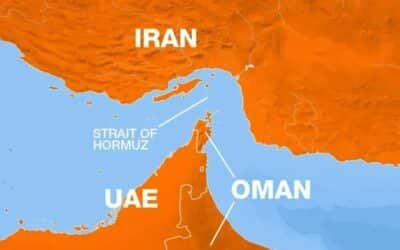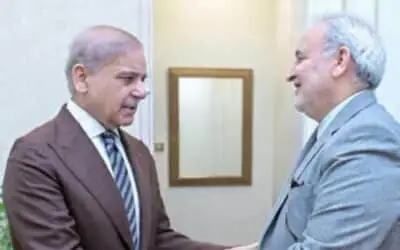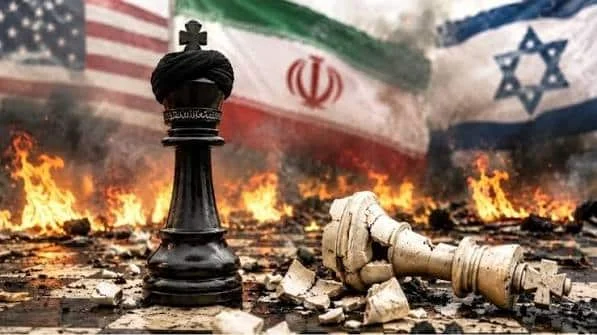





The highly volatile 48 hours leading up to the June 28 pause were marked by rapid, direct military engagements between US, Iranian, and regional forces, pushing the Middle East to the absolute brink of a wider regional war. Following a sequence of heavy, tit-for-tat strikes that targeted vital maritime assets and American military installations across Kuwait and Bahrain, the United States and Iran have agreed to a tentative cessation of hostilities. This crucial diplomatic breakthrough, brokered under the framework of the Pakistan-mediated Islamabad Memorandum of Understanding (MoU), temporarily halts the direct kinetic warfare that has snarled global energy shipping and claimed thousands of lives since February 28. With both sides agreeing to stand down their forces, commercial vessels are once again moving freely through the vital Strait of Hormuz as senior technical delegations prepare to resume high-stakes negotiations this Tuesday in Doha, Qatar, in a desperate bid to rescue the fragile 60-day interim peace deal.
The US and Iran agreed to stand down from several days of tit-for-tat attacks over the Strait of Hormuz, ahead of a new round of talks https://t.co/EaSEBSxXJU
— Bloomberg (@business) June 29, 2026
Chronology of Escalation: The Tit-for-Tat Strikes Preceding the Standdown
The highly volatile 48 hours leading up to the June 28 pause were marked by rapid, direct military engagements between US, Iranian, and regional forces. According to reports from the Associated Press, Reuters, and Central Command (CENTCOM), the operational timeline of the escalation includes:
-
Thursday, June 25: An Iranian projectile struck the Singapore-flagged container vessel, M/V Ever Lovely, while it was transiting the southern route of the Strait of Hormuz near Oman. The United Kingdom Maritime Trade Operations (UKMTO) confirmed the hit, forcing the UN’s International Maritime Organization to pause its ongoing operation to evacuate over 500 stranded vessels from the Gulf.
-
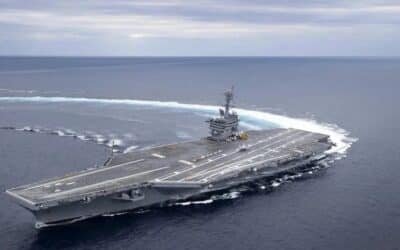
Friday, June 26: In a direct retaliatory response, US military forces launched targeted air strikes against multiple Iranian missile and drone storage locations, coastal radar installations, and assets on Qeshm Island. CENTCOM characterized the strikes as a limited, precise action to enforce freedom of navigation without triggering full-scale war.
-
Saturday, June 27: Tensions spilled into neighboring sectors as Israel conducted heavy strikes on underground Hezbollah infrastructure in southern Lebanon, just 24 hours after signing a separate bilateral ceasefire framework with Beirut. Concurrently, US naval units engaged additional Iranian maritime observation assets in the Gulf.
-
Sunday, June 28 (Early Morning): Following sharp rhetoric from Washington, the Islamic Revolutionary Guard Corps (IRGC) Navy and Air Forces launched a coordinated wave of ballistic missiles and explosive drones targeting US military facilities in Kuwait and Bahrain. Kuwaiti air defenses intercepted two ballistic missiles over its territory, while Bahrain authorities confirmed that an Iranian strike bypassed defenses and damaged a residential building in Muharraq province. CENTCOM later reported that it responded by striking 10 distinct Iranian military targets along the coastline to suppress further drone and missile launches.
Crisis in the Gulf: US and Iran Agree to Halt Hostilities
The United States and Iran have agreed to temporarily halt direct military engagements in the Persian Gulf and return to the negotiating table, raised hopes of salvaging a highly fragile interim peace deal that was on the verge of collapse following days of heavy, tit-for-tat strikes.
A senior United States official confirmed late Sunday that both Washington and Tehran have agreed to stand down their forces to allow commercial shipping to resume free movement through the Strait of Hormuz—the world’s most critical maritime chokepoint for global energy supply. Technical teams are expected to resume mediated talks on Tuesday in Qatar to iron out deep structural disagreements regarding the implementation of the 14-point interim accord, known formally as the Islamabad Memorandum of Understanding (MoU).
The pause in kinetic activity comes at a moment of maximum friction. The conflict, which began on February 28 following a series of highly escalatory initial strikes, has already claimed thousands of lives, crippled regional logistics, and left hundreds of commercial vessels stranded in the Persian Gulf. The Islamabad MoU, signed remotely on June 17 under the diplomatic mediation of Pakistan, established an extendable 60-day window intended to halt the war, reopen the blockade on the strait, and allow high-level delegations—initially led by US Vice President JD Vance and Iranian Parliament Speaker Mohammad Bagher Ghalibaf—to negotiate a long-term settlement. However, the operational ambiguity of the document combined with deep-seated mistrust on both sides pushed the agreement to its absolute limit over the weekend.
Presidential Ultimatums and Regional Fallout
The return to the negotiating table was preceded by an intense war of words and a major expansion of the conflict zone. Hours before the diplomatic breakthrough was leaked to the media, US President Donald Trump issued an ultimatum on social media, warning Tehran that Washington’s patience had expired.
“There may come a point when we are no longer able to be reasonable, and will be forced to militarily complete the job that we very successfully started,” Trump declared. “If that happens, the Islamic Republic of Iran will no longer exist!”
The rhetorical escalation was immediately followed by a wave of IRGC drone and missile attacks targeting American military logistical nodes in Kuwait and Bahrain. In a statement broadcast by the state-run Press TV, the IRGC Command asserted that the strikes were a necessary defense against prior US violations of the June 17 ceasefire, warning that American bases in the region would “experience hell in the coming days” if aggressive posturing continued.
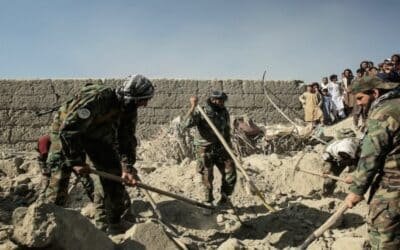
While US defense sources reported no American casualties or severe structural damage to its primary military installations, the spillover effects caused diplomatic shocks across neighboring Gulf states. In Bahrain, shrapnel from intercepted projectiles damaged residential infrastructure in Muharraq province, prompting Manama to demand an emergency session of the United Nations Security Council to hold Iran accountable. Meanwhile, the Qatari Interior Ministry confirmed the death of a Qatari national who succumbed to severe shrapnel injuries sustained aboard a missing commercial vessel caught in the crossfire of the maritime engagements.
Lebanese Dilemma and Fight Over Hormuz Sovereignty
Compounding the core dispute between Washington and Tehran is a separate, highly volatile conflict dynamic in Lebanon. On Sunday, Israel launched fresh strikes against underground Hezbollah infrastructure in southern Lebanon, despite having signed a separate Western-brokered ceasefire agreement with the Lebanese government on Friday.
The Lebanese theater remains intricately tied to the broader Gulf peace process. Tehran has repeatedly emphasized that the Islamabad MoU cannot realistically hold if allied non-state actors face continued military pressure from Israel. Conversely, figures within the political establishment in Beirut have publicly used the current pause to demand a decoupling of Lebanon’s state decisions from Iran’s strategic orbit, arguing that the country’s sovereign interests must not be held hostage to regional proxy wars.
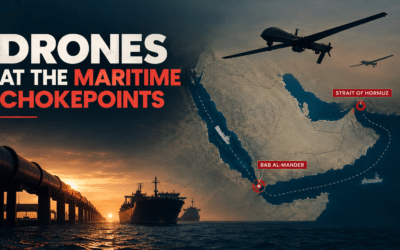
The primary point of friction for the upcoming technical talks in Qatar remains the long-term governance and operational protocol of the Strait of Hormuz. Under the baseline provisions of the Islamabad MoU, the United States agreed to lift its naval blockade of Iranian ports and issue temporary sanctions waivers—such as the US Treasury’s recent General License X—to allow the export of Iranian crude oil. In exchange, Iran committed to facilitating the safe, unhindered transit of international commercial vessels without charging arbitrary transit fees or tolls during the 60-day negotiating window.
However, comments from hardline factions within the Iranian political hierarchy, including Speaker Ghalibaf, have signaled that Tehran views the post-war administration of the waterway as an exclusively regional matter to be managed jointly by Iran and Oman, a stance that Washington and its regional allies firmly reject. While Iran’s Foreign Ministry has publicly downplayed the speed of the technical meetings to manage domestic expectations, the stakes for Tuesday’s gathering in Doha remain extraordinarily high. If mediators cannot convert this fragile operational pause into a structured, verifiable framework for maritime safety and nuclear oversight, the region faces the immediate prospect of a return to unrestricted asymmetric warfare.
Conclusion
Ultimately, the upcoming technical session in Doha represents a critical fork in the road for the geopolitical and economic architecture of the Middle East. The intense cycle of strikes preceding this standdown has proven that pure military deterrence cannot secure the global energy supply chain; instead, it creates a highly unstable environment that routinely spills over into neutral neighboring states. While the 14-point Islamabad MoU provides a necessary structural baseline for de-escalation, its long-term survival depends entirely on whether negotiators can transform a temporary military pause into a verifiable, internationally backed framework for maritime sovereignty and sanctions relief. If the Doha talks collapse, the region will almost certainly slide back into unrestricted asymmetric warfare—a scenario that would permanently disrupt global trade, dissolve months of delicate diplomatic progress, and pull global superpowers into a direct, high-casualty conflict.