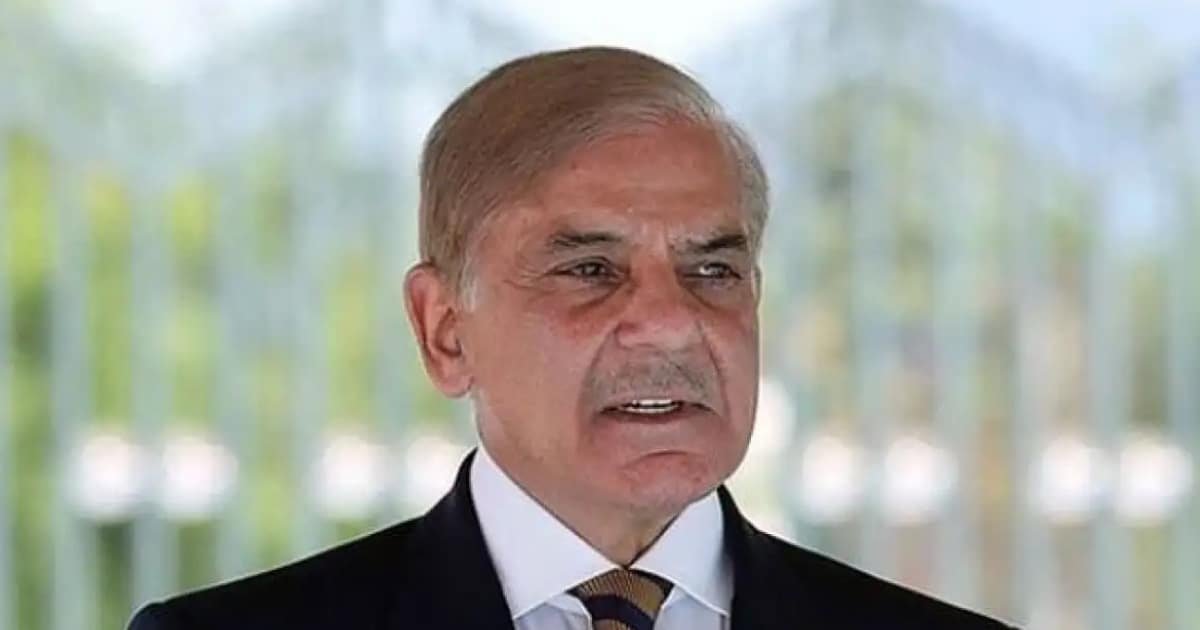





Prime Minister Shehbaz Sharif has formally approved a comprehensive, three-phase National Energy Conservation Action Plan to insulate the Pakistani economy from the escalating Middle East war. The emergency measures, drafted by a committee led by Finance Minister Muhammad Aurangzeb, aim to drastically reduce the demand for imported petroleum and RLNG as the closure of the Strait of Hormuz threatens a global energy supply collapse.
A Three-Phase Strategy for Resilience
The government has opted for a phased rollout to minimize economic shock while maximizing fuel savings:
-
Phase I (Public Sector): Immediate implementation of austerity within government offices, including limited attendance, virtual meetings, and a reduction in fuel allowances for bureaucrats.
-
Phase II (Education & Corporate): Reintroduction of online classes for private schools and universities, alongside mandatory work-from-home (WFH) arrangements for the corporate sector and private institutions.
-
Phase III (National Austerity): Potential increase in public holidays and a 50% workforce remote-rotation model, mirroring the successful protocols used during the COVID-19 pandemic.
Protecting the Economic Engine
Prime Minister Shehbaz emphasized that while the nation must tighten its belt, the “burden of austerity” will be distributed fairly:
-
Exempted Sectors: The Industrial and Agricultural sectors are strictly exempt from conservation cuts to ensure that national production, exports, and food security remain uncompromised.
-
Elite Accountability: The PM urged the “privileged and elite classes” to lead by example, directing ministers and senior officials to adopt simplicity in official matters.
-
Supply Priority: Natural Gas, LNG, and LPG will be diverted on a priority basis to essential power generation and life-saving sectors.
Strategic Reserves and Market Oversight
Despite the regional turmoil, the Prime Minister’s Office (PMO) confirmed that Pakistan currently holds adequate reserves of petrol and diesel.
-
Shipment Arrivals: Three major oil shipments are expected to dock today (Monday), providing a temporary buffer.
-
Real-Time Monitoring: The federal government is launching a Joint Monitoring Dashboard in coordination with provincial authorities to track fuel stocks in real time and prevent artificial shortages.
-
Crackdown on Hoarding: Chief Ministers Maryam Nawaz (Punjab) and Murad Ali Shah (Sindh) have been directed to launch a “zero-tolerance” crackdown on petrol pump hoarding and smuggling.
You May Like To Read: 11 Dead, as New Russian “Izdeliye-30” Missile Obliterates Kharkiv Apartment Block
Financial and Diplomatic Contingencies
Finance Minister Muhammad Aurangzeb warned that a spike in crude oil to $120 per barrel could increase Pakistan’s monthly import bill by $600 million.
-
LNG Force Majeure: Following Qatar’s declaration of “force majeure,” Pakistan has intensified diplomatic efforts with Central Asian states to secure alternative LNG supply routes.
-
Weekly Price Reviews: The government will continue its new policy of weekly fuel price adjustments to prevent the accumulation of circular debt while monitoring global market fluctuations.
“Hope is not a strategy. The whole of government must adopt a proactive approach to manage this crisis and protect the interests of the common man.” — Finance Minister Muhammad Aurangzeb.
Check out our latest video: