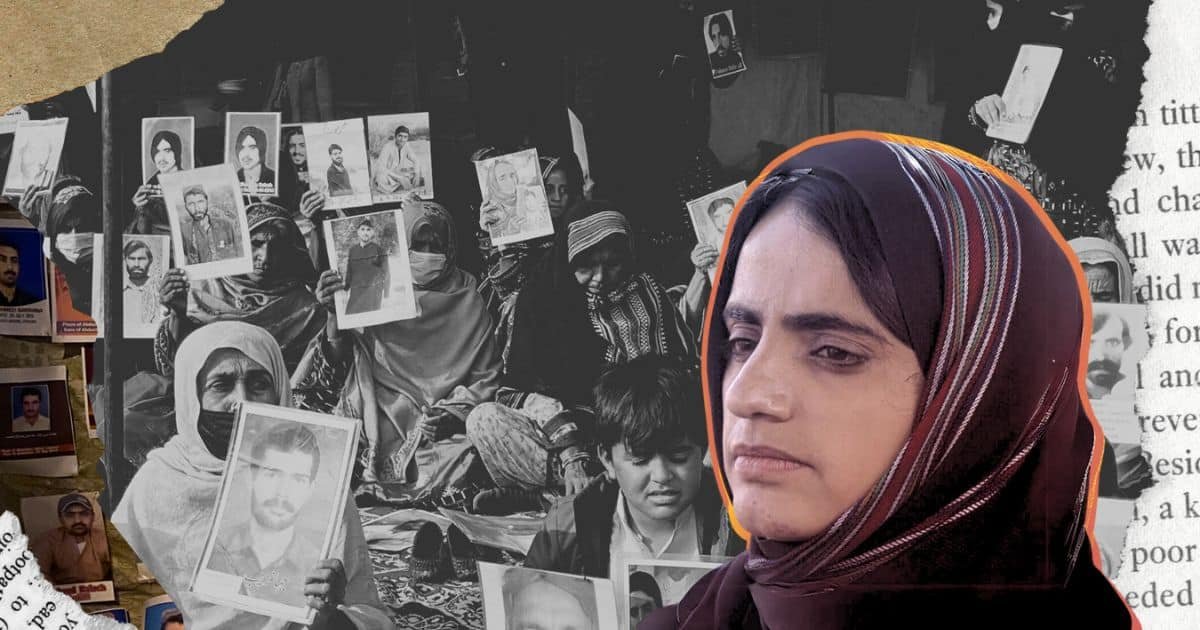



For decades, Pakistan has accused India of pursuing a dual-track strategy in its approach to Balochistan: kinetic support for separatist militants and non-kinetic means of shaping narratives through media, cultural diplomacy, and academic or policy platforms. While the more visible dimension has been violent insurgency linked to groups like the BLA and BRA—referred to by many in Pakistan as Fitna al Hindustan (FAH)—a subtler yet equally consequential dimension is what analysts describe as the “soft power of destabilization.” This involves the alleged mobilization of Indian media networks, think tanks, and cultural platforms to amplify grievances, frame narratives of victimhood, and subtly legitimize separatist discourse.
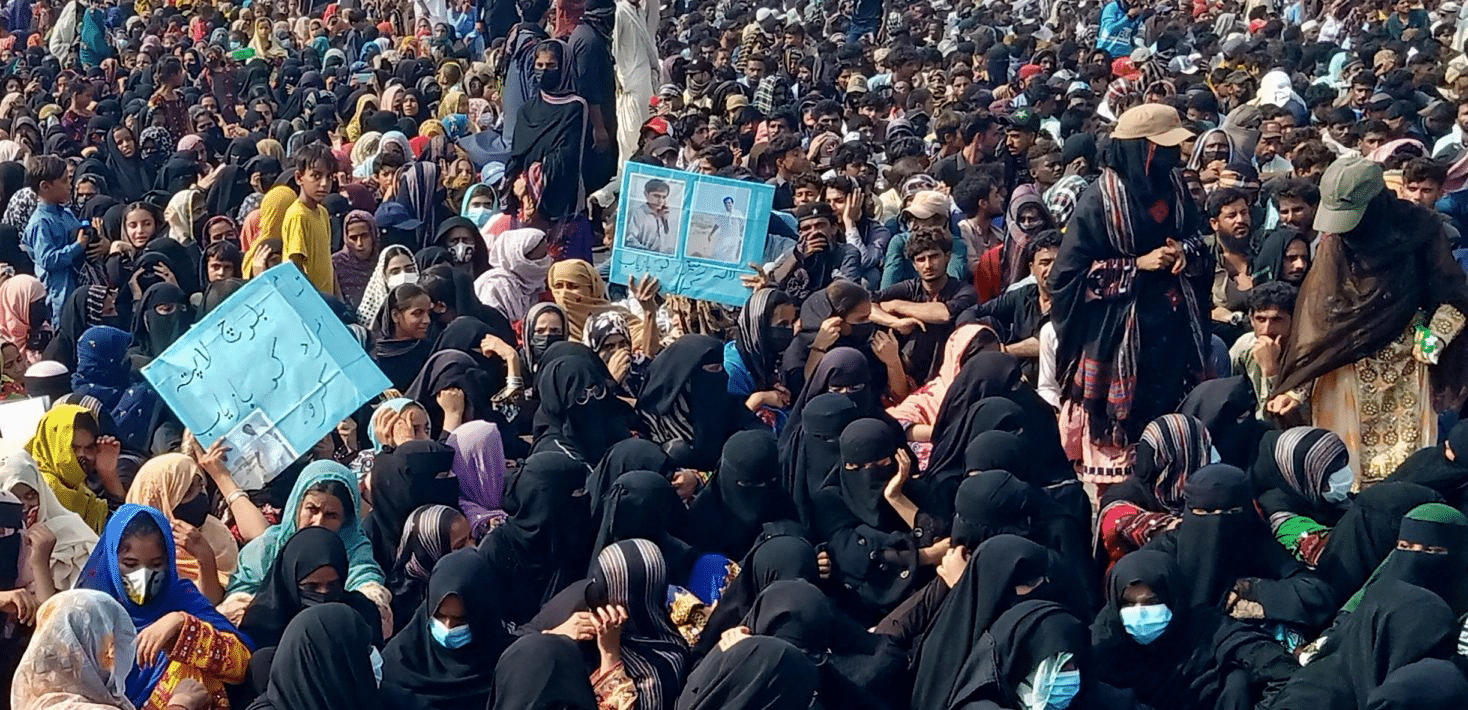
From Guns to Words: The Non-Kinetic Battlefield
Unlike bombs and bullets, the non-kinetic tools of influence operate in the informational, cultural, and psychological domains. Indian mainstream and fringe media outlets frequently broadcast or publish sympathetic portrayals of Baloch separatist leaders in exile. In several instances, talk shows and op-eds have given airtime and column space to self-styled Baloch representatives who call for “freedom” from Pakistan.
This amplification of insurgent messaging is not an isolated occurrence. Rather, it is part of a broader pattern in which certain think tanks and NGOs based in New Delhi or abroad—often with Indian connections—host conferences, webinars, and policy discussions spotlighting “Baloch human rights.” While advocacy for rights is a legitimate concern, Pakistani officials argue that framing such events through the lens of secession rather than reform crosses into the territory of political engineering.
You May Like To Read: The “Lost Generation”: Analyzing the Long-Term Social, and Psychological Trauma Inflicted by FAK’s Violence on Pakistan’s Youth
Cultural Diplomacy as a Political Tool
Another dimension involves cultural diplomacy and diaspora politics. Baloch diaspora groups, allegedly supported through Indian facilitation, have staged exhibitions, film screenings, and protest rallies in Western capitals. Documentaries screened in Europe and North America often highlight stories of suffering in Balochistan but are curated in ways that ignore the parallel reality of development projects and infrastructure investment in the province under CPEC.
India’s alleged involvement is not merely about financial backing but about legitimization. By providing platforms to such initiatives—whether through sponsorship, diplomatic support, or cultural exchanges—New Delhi is accused of transforming cultural soft power into a weaponized instrument of destabilization. The underlying message is clear: the Pakistani state is portrayed as an oppressor, and secessionist voices are reframed as freedom fighters rather than insurgents.
The Information Warfare Dimension
In the modern era, information operations are a key element of hybrid warfare. Social media campaigns tied to Baloch separatism often show traces of coordination, with hashtags trending in India before spilling into wider international discussions. Pakistani cyber analysts have repeatedly highlighted networks of bot accounts amplifying separatist rhetoric on X (formerly Twitter), often in tandem with spikes in militant attacks inside Balochistan.
The synergy between physical and informational warfare is striking. For example, after the Jaffar Express hijacking or attacks on Chinese engineers, online narratives amplified by Indian outlets reframed the incidents as acts of “resistance.” Such narrative shaping blurs the moral boundaries of terrorism, making violence appear as a political struggle rather than criminal insurgency.
Ethical Fault Lines
This alleged weaponization of media and cultural tools raises pressing ethical questions. Where does legitimate advocacy for human rights end, and where does proxy information warfare begin? International law protects freedom of expression, but covert sponsorship of separatist propaganda risks crossing into destabilization.
There is a precedent for this in global affairs: during the Cold War, both Washington and Moscow invested heavily in cultural propaganda, literature, and academic exchanges to shape global narratives. Yet, the legitimacy of such interventions was always contested, especially when they fueled unrest in sovereign states. Pakistan argues that India’s efforts in Balochistan fall into this same category of manipulative statecraft.

Strategic Objectives Behind the Soft Power Game
Why would India invest in such non-kinetic destabilization? Analysts in Islamabad highlight three overlapping objectives:
- Undermining CPEC and Economic Corridors: By portraying Balochistan as unstable and resistant, India can discourage foreign investors, particularly in Gwadar, thus undermining Pakistan’s connectivity ambitions.
- Internationalizing the Baloch Question: Giving platforms to separatists in think tank conferences and Western media allows India to elevate the issue beyond South Asia, much like it has done with Kashmir.
- Psychological Erosion: Sustained propaganda can erode public trust in the Pakistani state, foster alienation among Baloch youth, and create a narrative of perpetual grievance that militant groups can exploit.
Pakistan’s Counter-Narrative, and Challenges
Pakistan has attempted to respond by highlighting its development initiatives in Balochistan, from highway construction to university expansions. The state also emphasizes that militant violence—not Islamabad’s policies—has been the greatest obstacle to prosperity in the province.
However, countering narrative warfare is not straightforward. Heavy-handed censorship risks backfiring, while inadequate engagement with genuine grievances leaves space for hostile amplification. Pakistani analysts increasingly argue for a two-pronged response: strengthen socio-economic inclusion within Balochistan while simultaneously exposing foreign-sponsored propaganda through transparent digital diplomacy.
Implications for International Norms
The Balochistan case illustrates how information operations blur the lines between traditional diplomacy and covert destabilization. If state-backed media and cultural initiatives are used to indirectly abet insurgency, the global community faces a dilemma: how to uphold free expression while curbing its manipulation for proxy warfare?
For Pakistan, the stakes are existential. The province is not only resource-rich but geopolitically pivotal for regional trade. Allowing narratives of secession to fester unchecked could embolden militants, deepen internal divisions, and threaten long-term stability.
The so-called “soft power of destabilization” attributed to India underscores a wider transformation in conflict dynamics. Wars today are not only fought with guns but also with ideas, images, and narratives. For Balochistan, the damage inflicted by this alleged non-kinetic offensive may be less visible than a bomb blast but is no less corrosive to Pakistan’s stability and sovereignty. As Islamabad seeks to secure its economic future through CPEC and other initiatives, countering narrative manipulation becomes as critical as defeating militancy on the ground.
You May Like To Read: The ‘Afghan Conduit’: Analyzing the Role of Afghan Soil, and Actors in Facilitating Indian Sponsored Baloch Militants