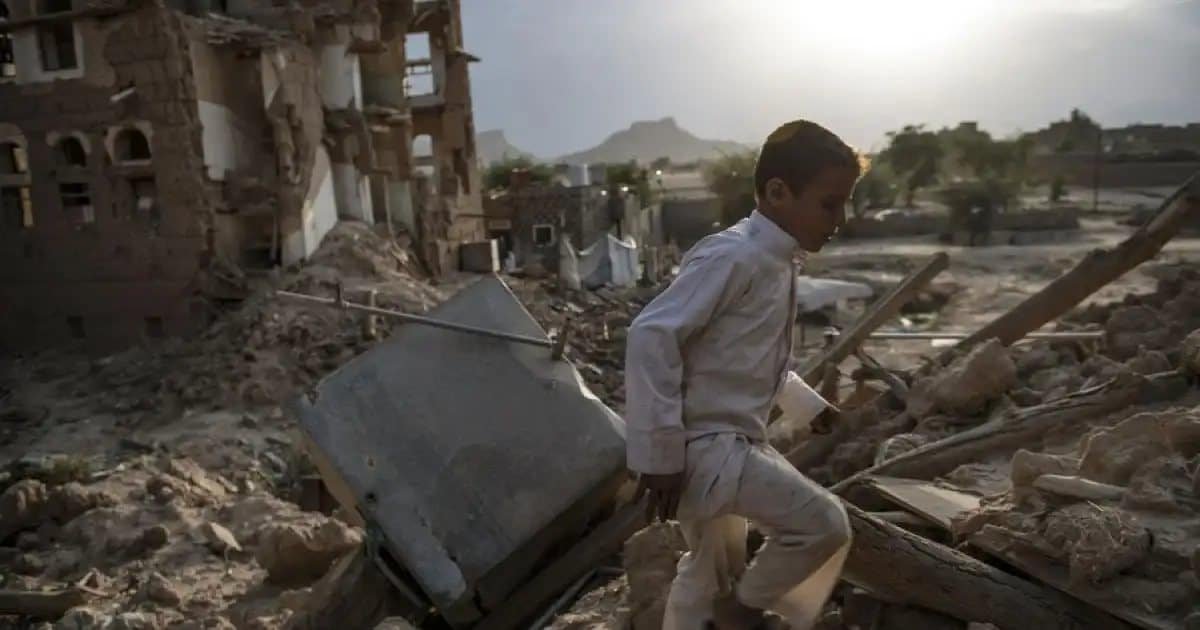





A Widening Emergency that should Alarm the World
The 2020s have produced some of the most stubborn and devastating conflicts of recent memory, with Sudan, Yemen, and Myanmar revealing how quickly war can become a long-term humanitarian catastrophe. These are not isolated crises: each shows the same dangerous mix of state collapse, foreign meddling and economic breakdown that leaves millions without reliable food, shelter or safety. International agencies now warn that the human cost in these three countries is measured in millions facing displacement, hunger and disease, a reality that demands urgent attention beyond diplomatic statements.
Sudan: a once-stable state slipping into famine and fragmentation
Sudan’s descent following the 2023 fighting between the Sudanese Armed Forces and the Rapid Support Forces has become emblematic of modern humanitarian collapse. Cities such as El Fasher have been besieged for months, hospitals and water systems destroyed, and millions displaced inside and beyond Sudan’s borders. Agencies estimate that over 20 million people could soon require humanitarian assistance, with child malnutrition and disease already spiking. International responses remain constrained by insecurity on the ground, competing strategic interests in the region, and gaps in funding that make large-scale relief efforts almost impossible.
You May Like to Read: Escalating Crisis in Sudan | Paramilitary Attack Kills 18 Civilians
Yemen: Decade-long Rupture Deepened by Climate Shocks and Political Stalemate
Yemen entered its second decade of conflict in a far worse place than it began. The Houthi takeover, Saudi-led interventions and fractured political settlements have left roughly half the population dependent on aid. In 2025, new shocks such as intense floods and restrictions on humanitarian actors have pushed already fragile communities closer to famine-like conditions in parts of the country. The continued detention and harassment of UN and aid staff further undermines relief operations and signals a dangerous trend of shrinking humanitarian space. Regional rivalries and the war in Gaza have also distracted key players, reducing momentum for a meaningful settlement.
You May Like to Read: Interior Minister Confirms Israeli Drone Attack on LPG Tanker in Yemen, 24 Pakistani Nationals Released
Myanmar: Fractured Statehood and a Spiral Toward Ethnic Cleansing
Since the 2021 military coup, Myanmar has moved from repression to large-scale violence as resistance groups, ethnic armies and the junta wage a protracted conflict across much of the country. The military’s tactics, including scorched-earth operations, mass displacement and attacks on civilian infrastructure, have been condemned as war crimes and crimes against humanity by rights groups. Ethnic minorities, including Rohingya communities, remain particularly vulnerable, while regional responses have been muted by ASEAN’s limited leverage and fears of wider instability. The result has been a country where governance has splintered and millions are cut off from basic services and protection.
Common Threads: Foreign Interference, Economic Collapse, and Shrinking Aid Space
Across these cases, common drivers are clear. Foreign involvement, whether through proxy support, arms flows, or geopolitical competition, prolongs fighting and makes negotiated settlements harder to achieve. Economic collapse, often accelerated by war, sanctions or blockades, destroys livelihoods and raises the risk of famine. At the same time, humanitarian operations are progressively criminalised or constrained: aid workers face detention, supply routes are blocked, and funding for relief is chronically short. These conditions create feedback loops where insecurity prevents aid, and lack of aid amplifies instability.
You May Like to Read: UN Agencies Warn of Looming Catastrophe in Sudan as Famine and Conflict Intensify
Why the World Hesitates: Realpolitik, Media Fatigue and Competing Crises
There are practical and political reasons why global powers have been reluctant to intervene decisively. First, these conflicts are messy and offer no quick strategic wins; interventions risk becoming open-ended. Second, donor fatigue and the multiplication of crises, from Gaza to Ukraine to climate disasters, dilute attention and funds. Third, geopolitical rivals often benefit from keeping influence in these states, so coordinated pressure is rare. Finally, media coverage has shifted away from prolonged crises, reducing public pressure on governments to act. The combined effect is a patchwork response: emergency funding here, a sanctions package there, but no sustained push for political settlement or protection of civilians.
You May Like to Read: The Media’s Role in Framing Muslim Resistance as Terrorism
What Meaningful Action could look like for Pakistan and the International Community
For countries like Pakistan, already active in humanitarian diplomacy and relief, the option is not to lead military interventions but to press for principled, coordinated humanitarian access, to support regional mediation efforts, and to keep pressure on international organisations to fund and protect relief work. The international community must also prioritise accountability for war crimes and work through multilateral channels to de-escalate foreign interference. Practically, large-scale humanitarian funding, protected logistics corridors and diplomatic pressure on spoilers would reduce immediate suffering even if political solutions remain distant.
Concluding: A Moral Imperative with Practical Payoffs
Sudan, Yemen and Myanmar are warnings about what happens when fragmentation, foreign rivalry and economic collapse converge. The human price is already staggering; the longer action is delayed, the harder recovery will be. For Pakistan’s readers, the lesson is clear: these are not remote tragedies but part of a global pattern that demands sustained diplomatic engagement, principled humanitarian work and a willingness among regional and global powers to act in the interest of civilians — not just strategic advantage. The window to prevent deeper catastrophe is closing; the choice to act remains.