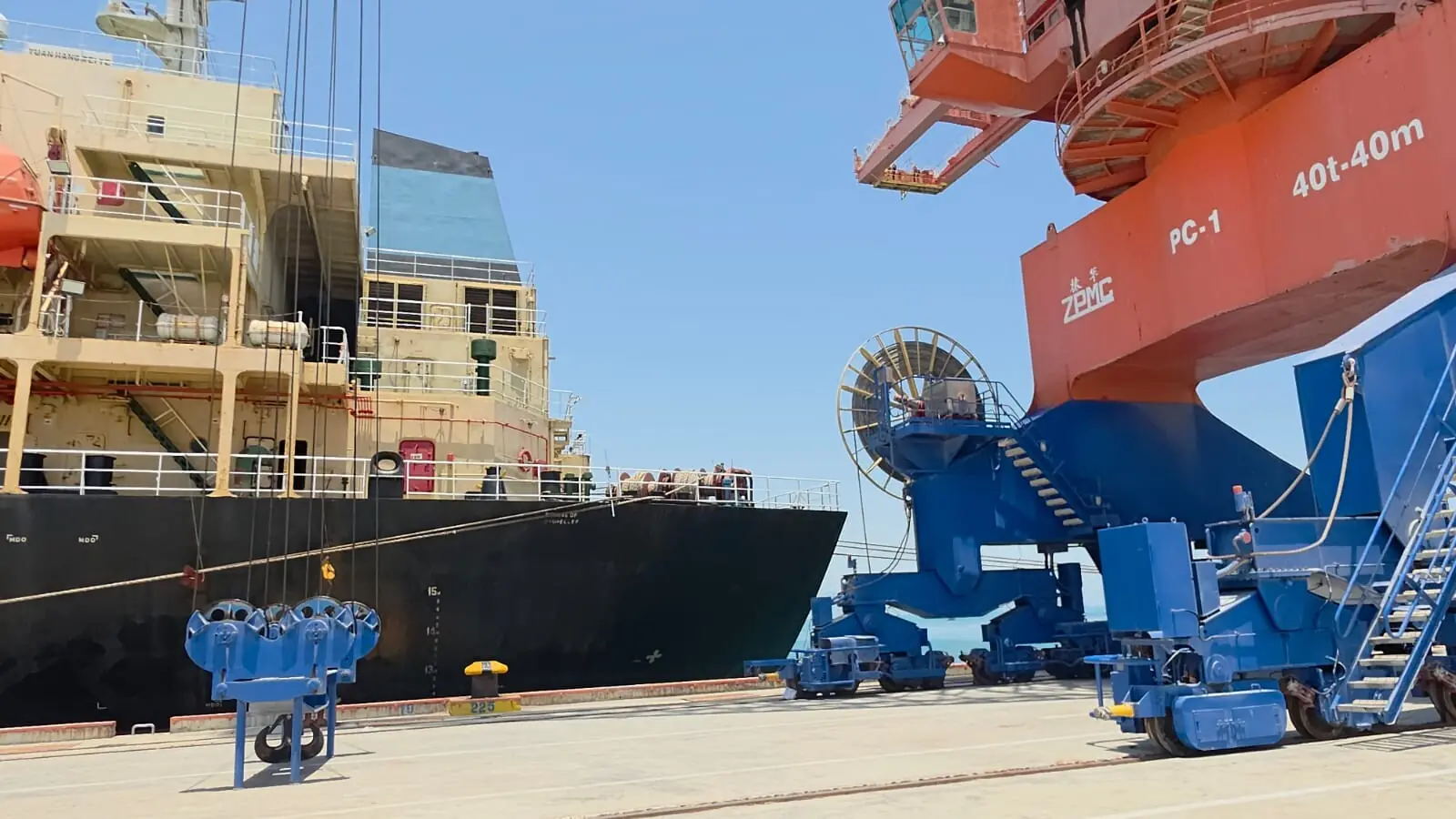




In a bold move to boost international transit trade, Federal Minister for Maritime Affairs Junaid Anwar Chaudhry announced significant tariff reductions at Gwadar Port, effective immediately. The new measures aim to position Gwadar as a competitive, investor-friendly deep-sea port and a strategic gateway for trade with Central Asia, the Middle East, and East Africa.
The key changes include:
- 25% reduction in berthing fees for container ships.
- 40% reduction in port charges on international transshipment containers.
- Up to 31% reduction in port charges on transit container cargo.
- One month of free storage for general cargo, a substantial increase from the standard five days at other Pakistani ports.
“These incentives provide major relief to ships bringing transit and transshipment cargo,” stated Minister Chaudhry. “This is part of a broader strategy to transform Gwadar into a modern, competitive port.”
The minister emphasized that these adjustments are the first phase of a comprehensive review, with future revisions guided by cargo trends, regional competition, and sustainability considerations.
Minister for Maritime Affairs announces significant reductions in tariff rates at #Gwadar Port#RadioPakistan #news https://t.co/m28395xBG3 pic.twitter.com/ymUuLUbMQW
— Radio Pakistan (@RadioPakistan) May 12, 2026
Gwadar: A Rising Star in Regional Trade
Gwadar Port Authority Chairman Noorul Haq Baloch echoed the Minister’s enthusiasm, stating that the new tariff structure is expected to create employment opportunities and attract both local and international investors. “Reduced fees and improved facilities will accelerate regional economic development and create new jobs,” Baloch said.
Baloch also highlighted Gwadar’s increasing strategic importance amid rising tensions in the Strait of Hormuz, citing its shorter access routes to Iran and Central Asia and its investor-friendly environment. He noted the port is increasingly viewed as a safe and efficient regional trade gateway. The Gabd-Rimdan border route has also emerged as a vital multi-modal corridor for trade with Iran and Central Asia.
The port has already seen positive momentum, with four transshipment ships recorded in April, signaling Gwadar’s growing significance as an alternative trade route in the region.
Looking Ahead
The revised tariff regime is projected to reduce operational costs for shipping lines, encourage new transshipment and feeder services, and increase overall cargo throughput. The long-term vision is for Gwadar to become a future hub for regional trade and logistics, capitalizing on its low operational costs, modern facilities, and shorter trade routes.