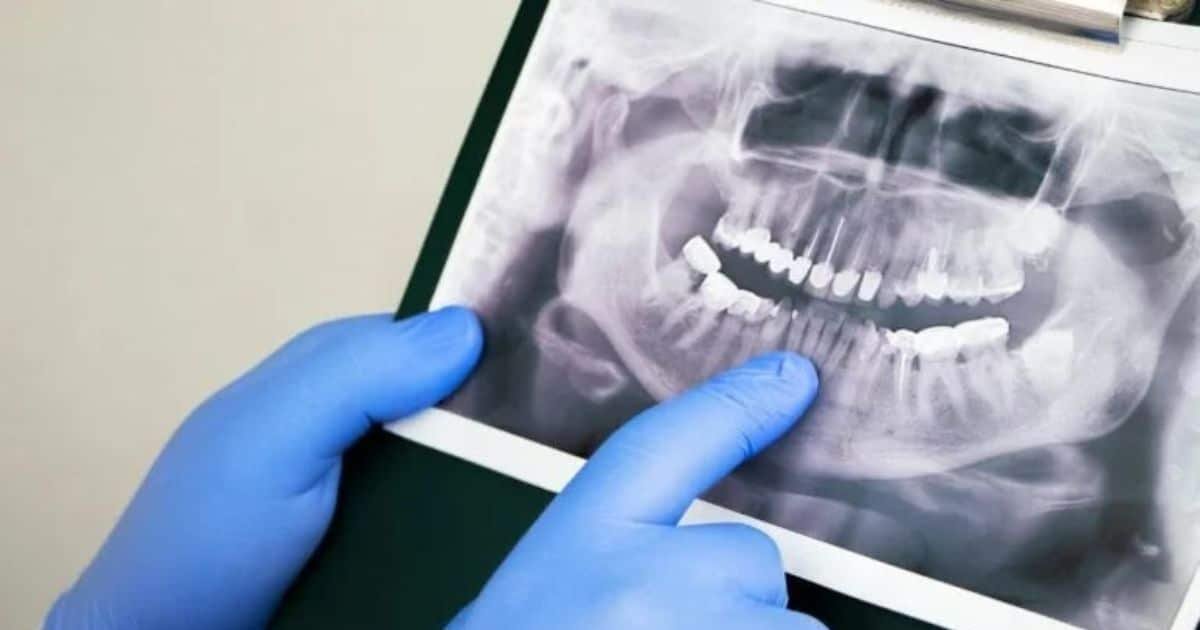





In a major leap toward regenerative dentistry, researchers at the Institute of Science Tokyo have identified two distinct stem cell lineages that control the formation of tooth roots and the alveolar bone, the jawbone structure anchoring teeth. Published in Nature Communications (July 2025), the studies reveal how signaling pathways orchestrate tooth and bone development, offering hope for future stem-cell-based dental regeneration.
Led by Assistant Professor Mizuki Nagata and Dr. Wanida Ono (UTHealth), the team used genetically modified mice and fluorescent tracing to visualize how specific stem cells differentiate during tooth growth.
They discovered one population in the apical papilla, where CXCL12-expressing cells use the Wnt signaling pathway to form odontoblasts (tooth cells) and osteoblasts (bone-forming cells). Another lineage in the dental follicle relies on parathyroid hormone-related protein (PTHrP)-expressing cells, which can generate bone and ligament tissue when the Hedgehog–Foxf pathway is suppressed.
“This discovery provides a mechanistic framework for tooth root formation and opens new doors for regenerative dental therapies,” said Nagata.
The findings bring researchers a step closer to growing natural teeth and restoring bone lost to disease or injury, an advance that could eventually replace implants and dentures with living, self-repairing tissue.