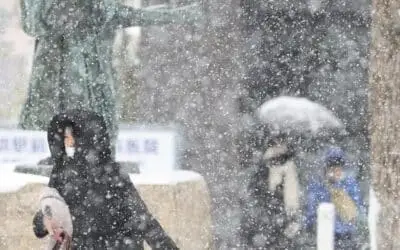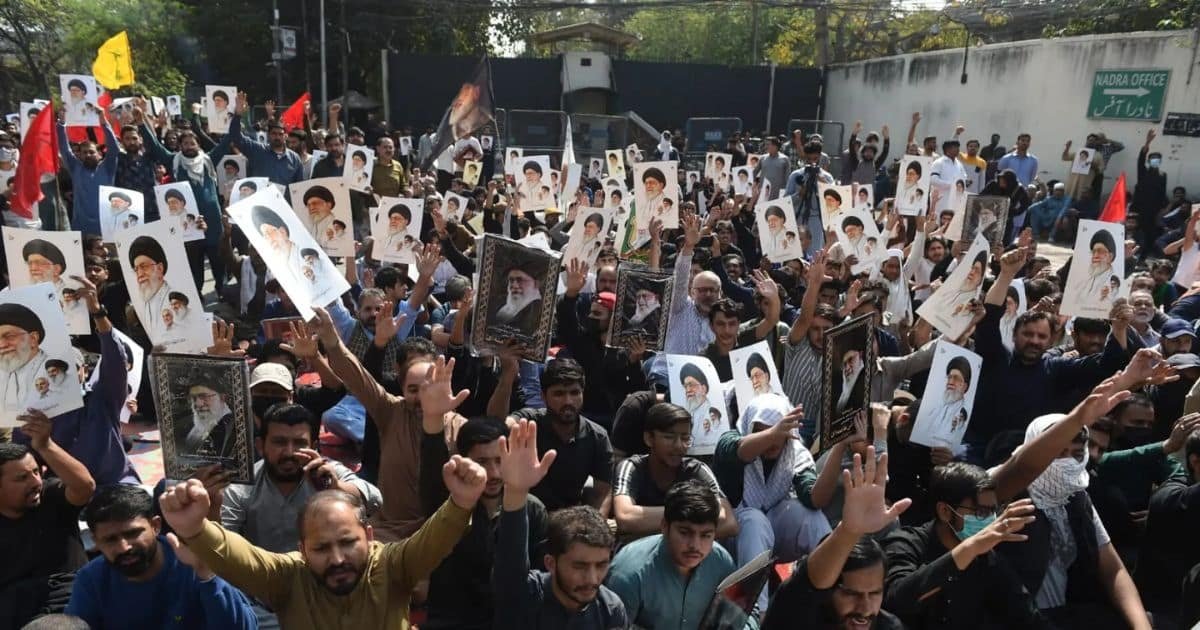



On March 6, 2026, Pakistan’s major cities were placed on high security alert as thousands took to the streets to protest the ongoing U.S.-Israeli military campaign against Iran. In Islamabad, authorities restricted all access to the Red Zone, deploying over 2,000 police and anti-riot personnel to contain rallies organized by Jamaat-i-Islami and the Shia Ulema Council. Section 144 remains in effect across the capital, with only Margalla Road and the Marriott Hotel routes remaining open for essential movement. Commuters faced massive disruptions as key arteries, including Fazal-e-Haq Road and Jinnah Avenue, were rerouted to manage the crowds heading toward D-Chowk.
#WATCH: Fresh protests erupt in Islamabad over US–Israeli strikes on Iran and the killing of Iranian Supreme Leader Ayatollah Ali Khamenei. At least 26 people have been killed in protests across the country since the start of war. https://t.co/cyKQnA31XM pic.twitter.com/TKil1XKohM
— Arab News Pakistan (@arabnewspk) March 6, 2026
The situation was equally tense in Karachi, where protesters marched from Khawaja Asna Ashari Mosque to Native Jetty Bridge, chanting anti-Israel slogans and blocking MA Jinnah Road. Sindh Home Minister Ziaul Hassan Lanjar issued a stern warning against the display of weapons, following earlier clashes this week that resulted in 23 deaths nationwide. Security around diplomatic missions has been significantly bolstered after ten protesters were killed during a violent attempt to breach the U.S. Consulate in Karachi just days prior.
These nationwide demonstrations coincide with the “Friday of Solidarity,” as religious and political groups honor those killed in the conflict, including the late Supreme Leader Ayatollah Khamenei. As the U.S. orders the departure of non-emergency personnel from its consulates, the Pakistani government is struggling to balance public anger with the need to maintain domestic order during a period of unprecedented regional volatility.
You May Like To Read: