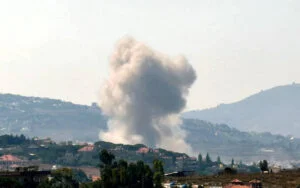
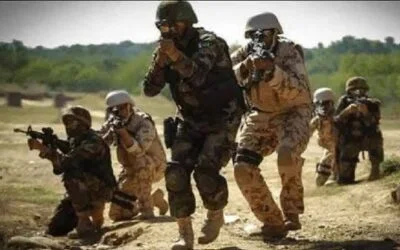


The relentless currents of regional conflicts, particularly those emanating from Afghanistan and the volatile Middle East, exert an undeniable and potent influence on Pakistan’s defense posture.
This intricate interplay shapes Islamabad’s strategic thinking, dictates the deployment of its formidable military, and sculpts its complex web of international alliances. Far from being isolated incidents, these conflicts present an evolving set of contemporary challenges that demand Pakistan’s constant adaptation and strategic foresight.
Afghanistan a Volatile Western Front
Pakistan’s western border with Afghanistan remains a perpetual strategic flashpoint. The post-2021 Taliban takeover in Kabul, while initially seen by some in Islamabad as a potential strategic advantage, has ironically intensified certain security challenges.
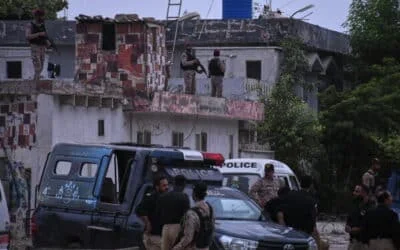
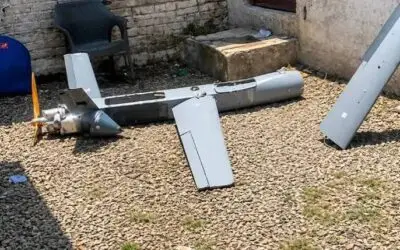
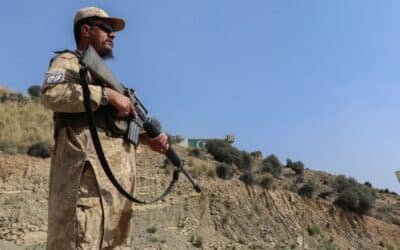
The Fitna-al-Khawarij (FAK), a militant group with historical ties to the Afghan Taliban, has found renewed sanctuary across the border, leveraging the permissive environment to launch an increasing number of attacks within Pakistan. This resurgence of cross-border terrorism is a contemporary issue of paramount concern, forcing Pakistan to dedicate substantial military resources to border management and counter-insurgency operations.
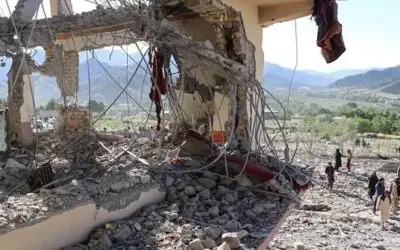
Research says, the Afghan-Taliban regime’s perceived support for the FAK and its resistance to calls for restraint have led to a significant deterioration in relations between Kabul and Islamabad, exacerbating border disputes and necessitating a hardened stance along the Durand Line.
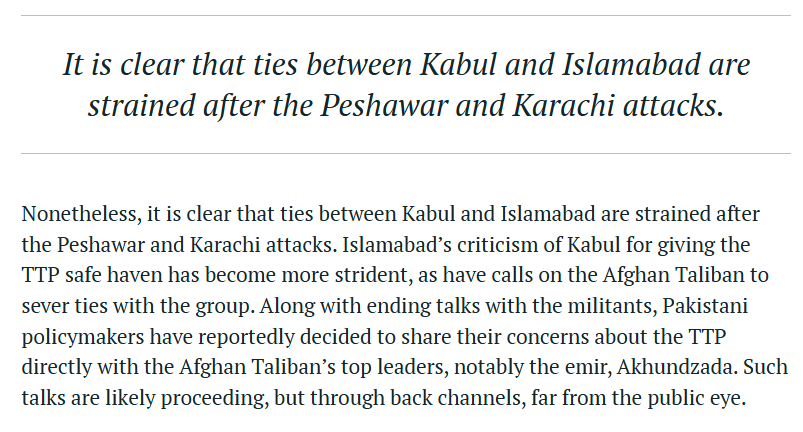
Source: Crisis Group
Moreover, the economic repercussions of Afghan instability are equally pressing. The influx of undocumented Afghan refugees, coupled with disrupted trade routes and increased business costs due to insecurity, places an immense strain on Pakistan’s already fragile economy.
This economic vulnerability, as detailed in a Pakistan Ministry of Finance report, directly impacts the nation’s ability to fund comprehensive defense modernization and welfare programs, diverting precious resources towards immediate security needs. The strategic depth that Pakistan once sought in Afghanistan has, at least in the current scenario, given way to a volatile western front demanding constant vigilance and a significant military presence.
Middle East Fallout
The ongoing conflicts and geopolitical shifts in the Middle East present a distinct yet equally impactful challenges for Pakistan’s defense posture. Pakistan’s deep historical and religious ties with various Middle Eastern nations, coupled with its significant Shia minority, make it susceptible to the ripple effects of sectarian tensions.
A widening conflict in the region, particularly one involving major Sunni-majority and Shia-majority powers, could dangerously exacerbate internal sectarian divisions within Pakistan, potentially leading to increased domestic unrest and proxy activities. This necessitates a proactive defense strategy that prioritizes internal security and robust intelligence mechanisms to neutralize such threats.
Furthermore, Pakistan’s energy security and economic stability are intrinsically linked to the Middle East. As a major oil-importing nation, Pakistan is acutely vulnerable to fluctuations in global oil prices, which are highly susceptible to regional instability.
A major disruption to oil supplies, particularly through vital chokepoints like the Strait of Hormuz, would send shockwaves through Pakistan’s economy, triggering soaring inflation and a crippling balance of payments crisis.
Pakistan’s substantial reliance on imported fuels renders its economy acutely susceptible to the volatile swings of global oil prices. This economic vulnerability is a critical driver of Pakistan’s foreign policy in the Middle East, compelling Islamabad to perform a delicate diplomatic balancing act among all regional stakeholders to secure its vital economic lifelines.
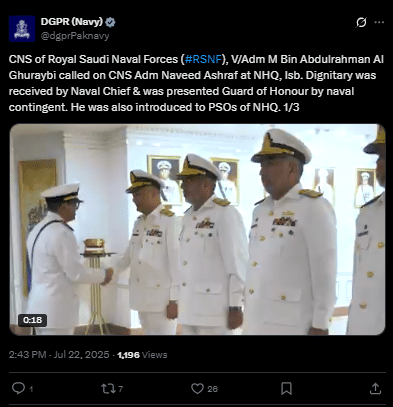
Source: X/@dgprPaknavy
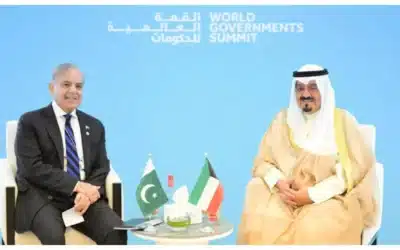
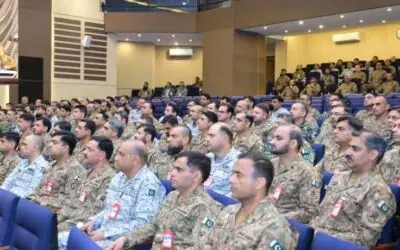
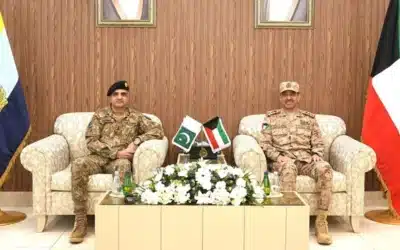
Contemporary military cooperation, such as the recent naval chiefs’ meeting between Pakistan and Saudi Arabia to discuss regional maritime security and enhanced defense cooperation, illustrates Pakistan’s ongoing engagement and commitments in the region.
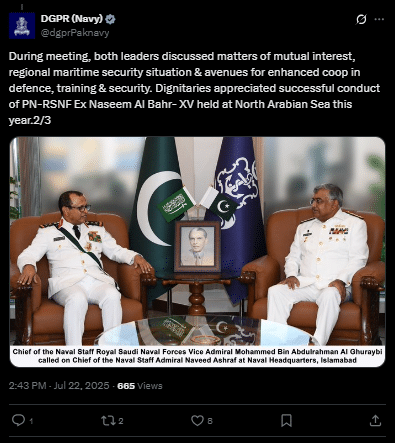
Source: X/@dgprPaknavy
Strategic Alliances in a Shifting Global Order
The volatile regional environment compels Pakistan to carefully craft and continually adapt its strategic alliances. The “all-weather” friendship with China remains the bedrock of Pakistan’s defense strategy. This alliance, rooted in a shared rivalry with India and reinforced by the vast economic potential of the China-Pakistan Economic Corridor (CPEC), has seen significant recent developments.
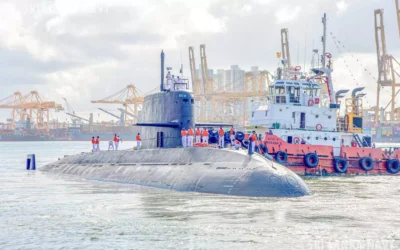
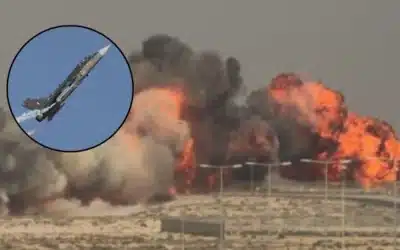
As Asia Times recently reported, China has become the largest foreign supplier of military equipment to Pakistan, with instances like Pakistan’s deployment of Chinese-made J-10C fighter jets in recent tensions with India highlighting the deepening military cooperation.
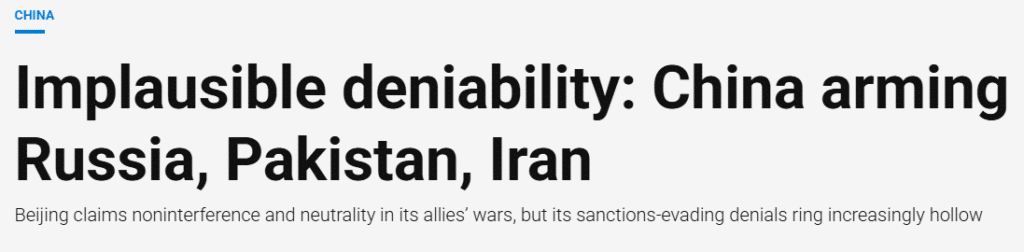
Source: Asia Times
This strategic confluence is maturing into a formidable alliance with lasting implications for the region’s balance of power, directly challenging India’s traditional regional dominance.
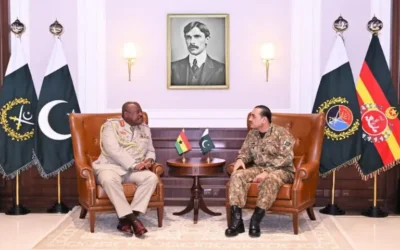
Pakistan also actively engages with other key players, including Turkey and various Gulf states, fostering military-to-military ties, training programs, and joint exercises. This diversification of alliances, including growing overtures towards Russia, reflects Pakistan’s astute foreign policy aimed at maximizing its strategic options and enhancing its security in an increasingly multipolar world.
Conclusion
The ongoing conflicts in Afghanistan and the Middle East are not mere distant events for Pakistan; they are fundamental drivers shaping its defense posture. From the allocation of troops to its western border to the intricate diplomatic maneuvers in the Middle East and the calculated forging of strategic alliances, every aspect of Pakistan’s defense planning is a direct response to these pervasive regional challenges. For Pakistan, navigating these tumultuous waters is not just a matter of national security; it is a relentless imperative for survival and stability in a world defined by constant flux.