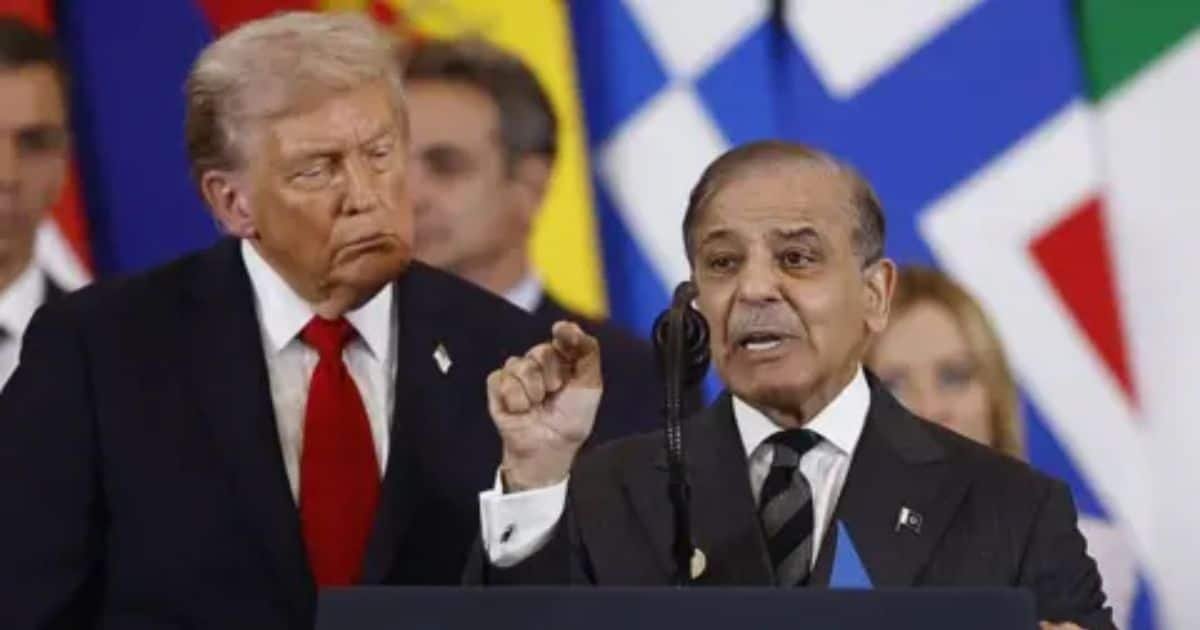



With US President Donald Trump’s deadline fast approaching, Pakistan has launched an intense, round-the-clock diplomatic effort to prevent further escalation in the US-Iran war and keep the door open for a negotiated settlement.
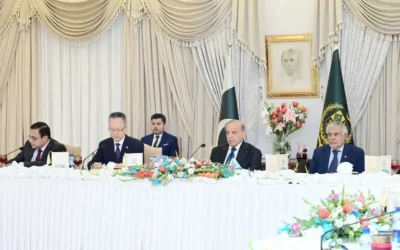
Over the past 48 hours, Islamabad has been at the centre of frantic back-channel activity, exchanging proposals and counter-proposals between Washington and Tehran. While no breakthrough has been announced, the high-level engagements have at least kept communication lines active.
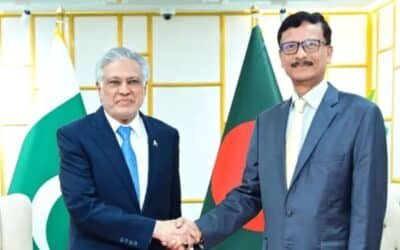
Pakistan’s military and diplomatic leadership, including senior officials close to Field Marshal Asim Munir, have been in direct contact with US Vice President JD Vance, Special Envoy Steve Witkoff, and Iranian Foreign Minister Abbas Araghchi. China and Russia have also been brought into the process to help build trust and lend weight to any potential framework.
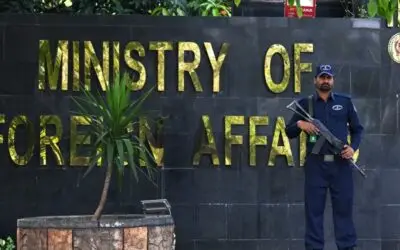
Foreign Office spokesperson Tahir Andrabi confirmed that diplomatic efforts are “ongoing” but declined to comment on specific reports of a 45-day ceasefire proposal or a 15-point plan, saying Pakistan does not discuss individual proposals publicly.
🔊PR No.9️⃣0️⃣/2️⃣0️⃣2️⃣6️⃣
Statement by the Spokesperson pic.twitter.com/oDVMDQi3RN
— Ministry of Foreign Affairs – Pakistan (@ForeignOfficePk) April 3, 2026
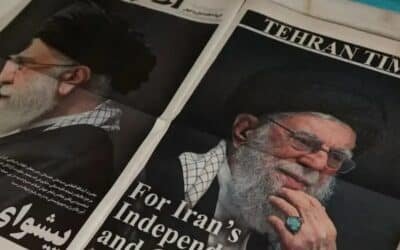
Iran has responded cautiously but firmly. According to Iranian media, Tehran has conveyed a detailed set of demands through Pakistani channels, including a permanent end to hostilities, guarantees for safe navigation through the Strait of Hormuz, lifting of sanctions, and reconstruction support. Iranian officials have made it clear they will not accept a temporary ceasefire or negotiate under threats and ultimatums.
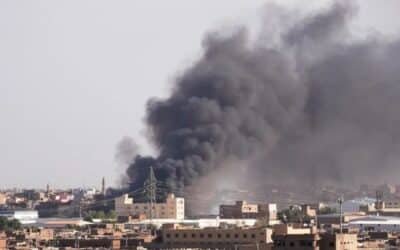
The renewed push comes as the conflict risks further disruption to the Strait of Hormuz — a critical global energy route — which has already caused sharp spikes in oil prices.
Pakistan has positioned itself as a neutral facilitator, leveraging its relationships with both the United States and Iran. Iranian Foreign Minister Abbas Araghchi recently acknowledged Pakistan’s role and clarified that Tehran has never refused the possibility of talks in Islamabad.
Despite the intense activity, officials admit the gap between the two sides remains wide. With Trump’s deadline looming and positions still hardened, the coming hours will be critical in determining whether diplomacy can prevent a dangerous new phase of the conflict.
You May Like To Read: