

WASHINGTON | DOHA | TEHRAN — President Donald Trump issued a “massive” military ultimatum to Tehran on Thursday, vowing to destroy the entirety of Iran’s South Pars Gas Field—the world’s largest—should Iran launch further attacks against Qatar. The threat follows a volatile 24-hour window in which an Israeli strike on Iranian offshore facilities triggered a retaliatory Iranian bombardment of Qatar’s Ras Laffan industrial complex.
The escalation has sent shockwaves through global energy markets, with wholesale gas prices in Europe and the UK surging by 25% in early trading, while crude oil jumped to $110 per barrel.
BREAKING Trump threatens to destroy Iran’s key South Pars gas field if there are further attacks against Qatar’s main gas plant.
Trump says on Truth Social that Israel had struck the South Pars field but says the US “knew nothing” of the attack, which spurred Iran to launch an… pic.twitter.com/axA7ioVqLw
— AFP News Agency (@AFP) March 19, 2026
The Strike on South Pars and “Ras Laffan” Retaliation
The current flare-up began after Israeli forces targeted the Iranian sector of the massive shared gas field located between Iran and Qatar.
-
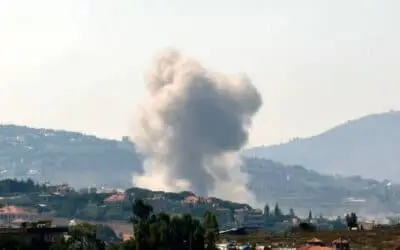
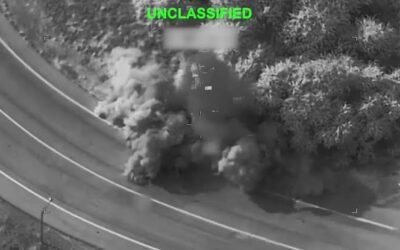
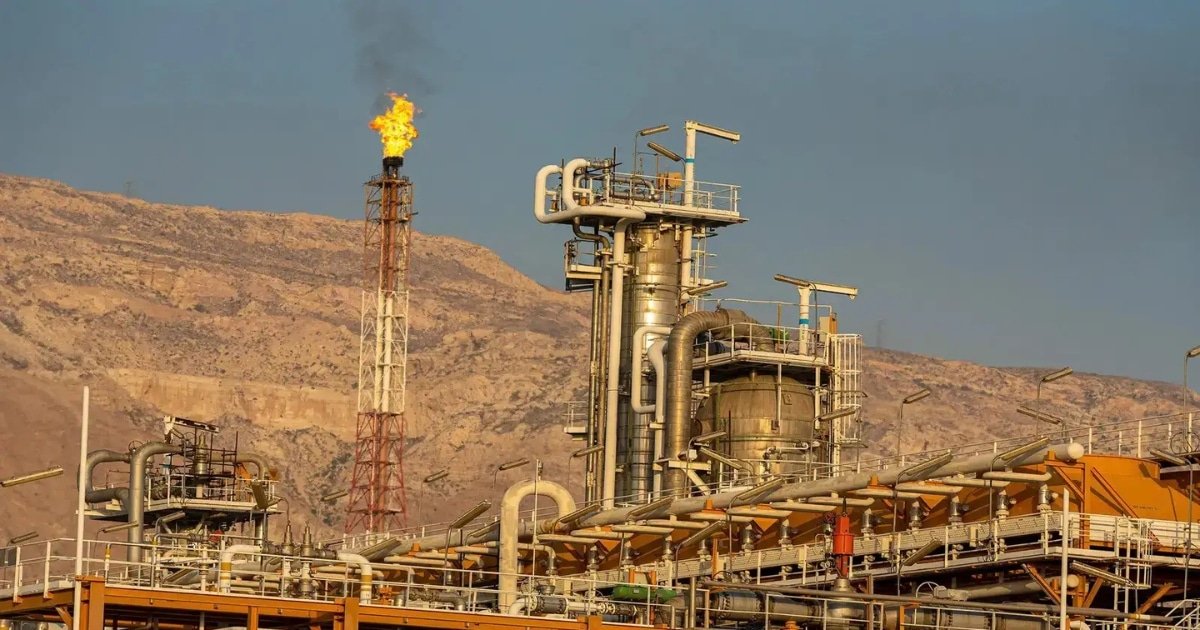
South Pars Hit: Verified imagery confirmed at least two impacts on Iranian offshore platforms. While Israel has not officially claimed the strike, President Trump characterized it as a “violent lash-out” born of regional “anger.”
-
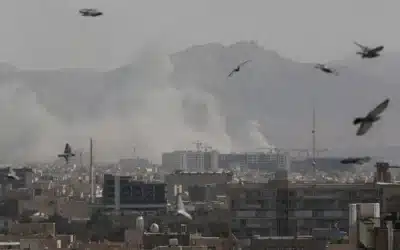
Retaliation in Qatar: Iran responded late Wednesday and early Thursday by striking the Ras Laffan Industrial City in Qatar, home to the world’s largest LNG processing facility.
-
“Extensive Damage”: State-owned QatarEnergy confirmed the facility sustained significant structural damage, though all personnel were accounted for and fires were successfully brought under control by Qatar’s Interior Ministry.
Trump’s Ultimatum: “Strength Never Seen Before”
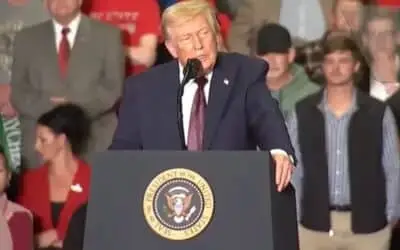
In a strongly-worded social media post on Thursday morning, President Trump defended Qatar as an innocent party in the conflict.
-
The Threat: Trump warned that if Ras Laffan is targeted again, the U.S. will “massively blow up the entirety of the South Pars Gas Field at an amount of strength and power that Iran has never seen or witnessed before.”
-
Strategic Reluctance: The President noted he prefers to avoid “this level of violence” due to the long-term implications for Iran, but emphasized he “will not hesitate” to protect Qatari LNG infrastructure.
-
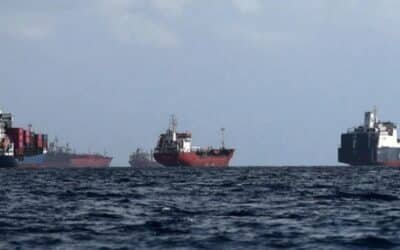
Message on Hormuz: While Trump claimed the U.S. “knew nothing” of the specific Israeli strike, The Wall Street Journal reports he supported the move as a deterrent against Iran’s ongoing restriction of tanker traffic through the Strait of Hormuz.
Qatar’s Diplomatic Break and Regional Outcry
Qatar has shifted its stance from mediator to a direct party in the conflict following the “brazen” strikes on its soil.
-
Expulsion of Diplomats: In a swift diplomatic rupture, Qatar ordered two Iranian diplomats and their staff to leave the country within 24 hours.
-
Condemnation of Israel: The Qatari Foreign Ministry initially labeled the Israeli strike on South Pars as a “dangerous and irresponsible step,” noting that the field is an extension of Qatar’s own North Field.
-
Warning to Tehran: Doha later condemned Iran’s “escalatory policies,” stating that Tehran is dragging neutral countries into the “abyss” and that Qatar “reserves its right to respond.”
Global Economic Impact: The Energy Crisis Deepens
The “Tit-for-Tat” strikes on gas infrastructure have doubled European gas prices compared to pre-war levels:
-
Gas Markets: Wholesale prices in Europe and the UK remain 25% higher, threatening a secondary “fertilizer and food crisis” as costs filter through the supply chain.
-
Oil Volatility: Brent crude at $110 reflects market fears that the war is moving from military targets to the “economic heart” of the global energy trade.
You May Like To Read: Former FM Jalil Abbas Jilani Rebuts US Intelligence Claims Over Pakistan’s Missile Range
Check out our latest video: