



The U.S. Treasury issued a 30-day “stopgap” waiver allowing India to purchase Russian oil currently stranded at sea. This significant policy shift comes as the war with Iran effectively paralyzes the Strait of Hormuz, a chokepoint responsible for 20% of global oil flow. With maritime authorities designating the Persian Gulf a “warlike operations area” and major shipping lanes at a standstill, Washington has moved to temper skyrocketing energy prices by easing existing sanctions on Russian crude.
The US issued a general license to allow for some Russian oil sales to India, giving the nation more options to purchase fuel as the war on Iran leads to a spike in global prices. https://t.co/4uqzssl6Pk
📷: Ali Mohammadi/Bloomberg pic.twitter.com/zNMFCsm8a7
— Bloomberg (@business) March 6, 2026
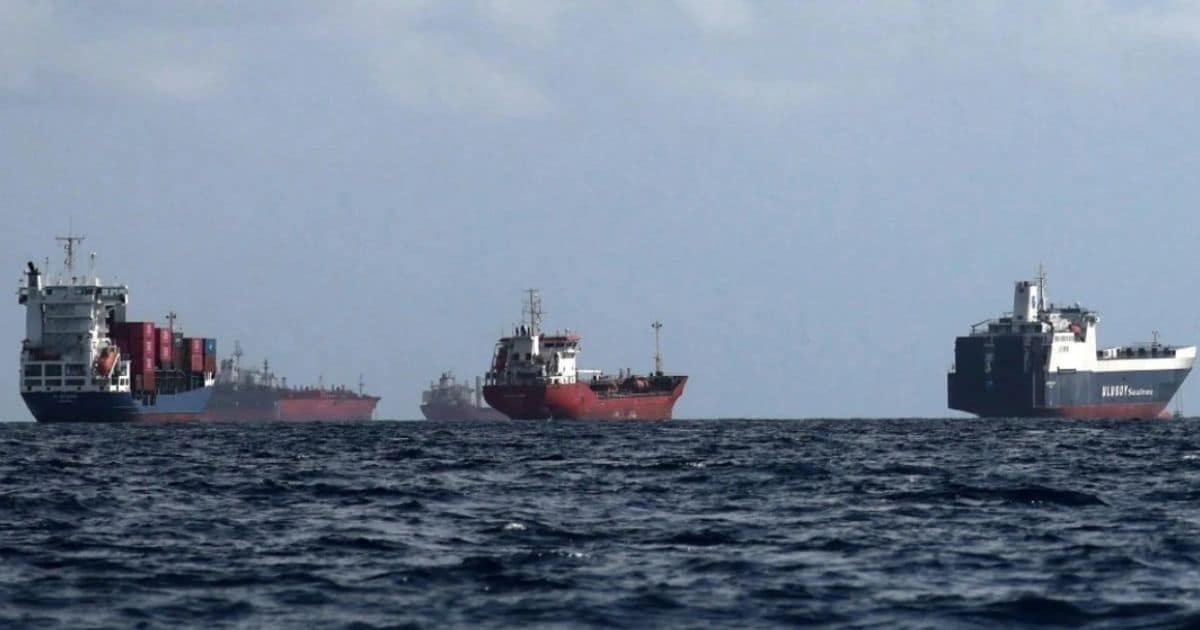
The waiver is designed to prevent a global supply shock that could trigger a worldwide recession. Currently, around 20,000 seafarers and dozens of tankers are stuck in the Gulf, while Iranian retaliatory strikes have targeted regional energy infrastructure, including a recent blaze at Bahrain’s Bapco refinery. By allowing Indian refineries to process Russian supplies, the U.S. hopes to stabilize the market while the “broad wave” of strikes continues to disrupt traditional Middle Eastern shipments.
This pragmatic maneuver underscores the severity of the “existential war” currently engulfing 14 countries. While President Trump continues to demand an “unconditional surrender” from Tehran, the administration is simultaneously grappling with the economic fallout of a multi-front conflict. As global oil prices flirt with triple digits, the India-Russia deal serves as a temporary lifeline for a global economy reeling from the most significant energy disruption in decades.
You May Like To Read: