

U.S. Oil Plans and the Fallout in Venezuela
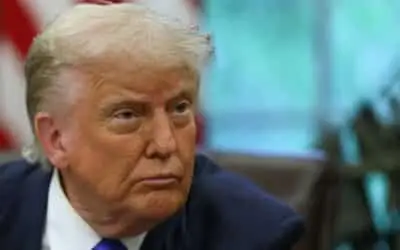
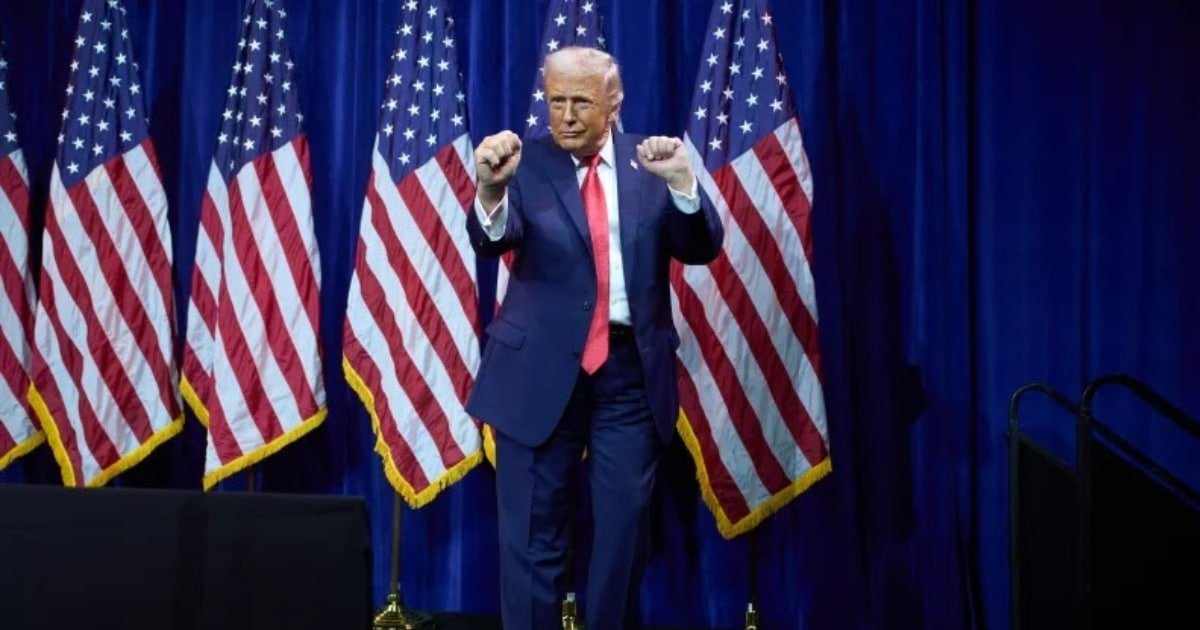
President Donald Trump announced that Venezuela would provide between 30 million and 50 million barrels of oil to the United States, stating that the money earned would be used to benefit people in both countries. The statement followed a dramatic U.S. military operation that captured Venezuelan President Nicolas Maduro and transferred him to the U.S. to face long-standing drug trafficking charges. Venezuelan officials say the overnight raid killed dozens, including at least 24 Venezuelan security officers and 32 Cuban personnel stationed in the country.
Trump says Washington plans to take control of Venezuela’s oil after Maduro’s capture, vowing to sell massive volumes abroad and declaring the U.S. is now “in the oil business.” pic.twitter.com/6pn0IpQf2d
— Defence Index (@Defence_Index) January 3, 2026
Washington is now planning talks with major U.S. oil companies, including ExxonMobil and Chevron, as it pressures Venezuela to open its oil industry to American investment. While Venezuela holds the world’s largest proven oil reserves, its production has collapsed due to years of mismanagement and sanctions. Trump’s claim that the U.S. would take back Venezuelan oil has raised questions about legality, control, and how such a transfer would actually work.
JUST In💄. President Trump confirms that America is getting Venezuela’s OIL after they removed Maduro.
Claiming that it’s theirs pic.twitter.com/ctaYkaZjLq— ENZA_MBA (@Enzambaniinye) January 7, 2026
International Backlash and Rising Global Concerns
The operation has triggered strong reactions across Latin America and Europe. Venezuela’s acting president, Delcy Rodriguez, rejected U.S. threats and accused Washington of violating the country’s sovereignty. Prosecutors in Caracas described the raid as a possible war crime. In the United States, public opinion is sharply divided, with many Americans uneasy about military action and foreign control over another nation’s government.
You May Like To Read: Beijing Condemns Unilateral U.S. Aggression in Venezuela, Demands Respect for Sovereignty
Beyond Venezuela, Trump’s recent threats toward Colombia and renewed calls to take control of Greenland have alarmed U.S. allies. European leaders publicly defended Greenland’s sovereignty, while Colombia lodged a formal diplomatic complaint. Together, these events have fueled fears that the U.S. is entering a more aggressive phase in its foreign policy, one that could reshape relations across the Western Hemisphere and beyond.
Check out our latest video: