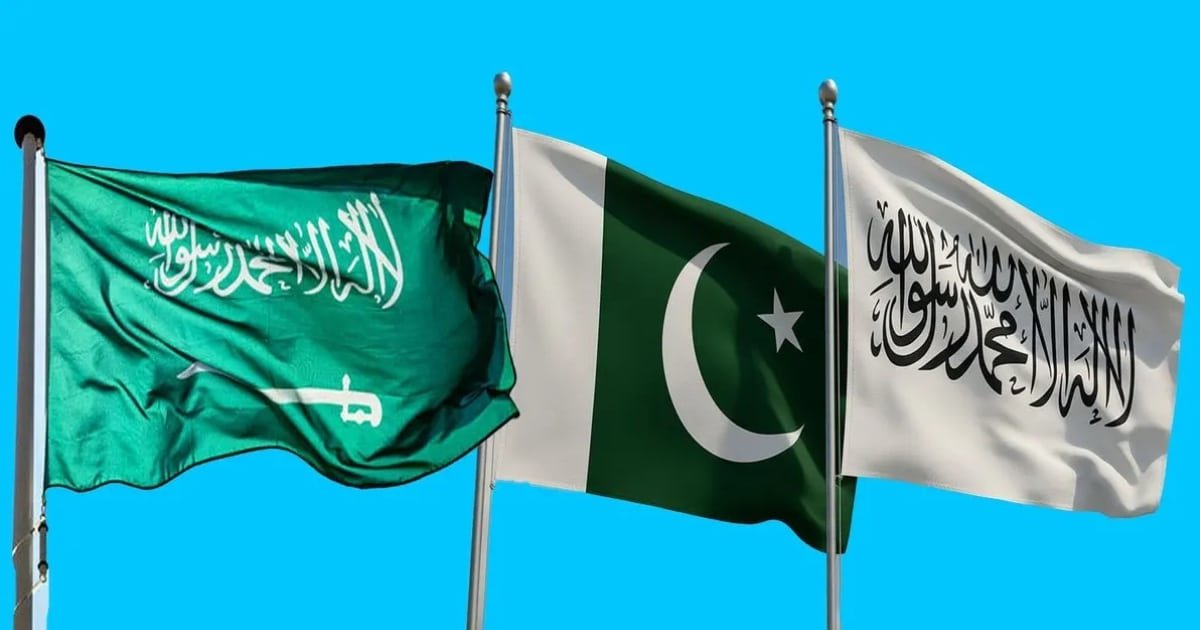



Saudi Arabia quietly facilitated a round of direct, closed-door talks between Pakistan and Afghanistan in Riyadh over the weekend, aimed at easing longstanding tensions over cross-border terrorism, but the discussions concluded late Sunday without any significant progress, according to two diplomatic sources familiar with the matter.
The sources, speaking on condition of anonymity as the meeting was not publicly acknowledged, said both sides held firm to their entrenched positions, showing limited willingness to compromise. Pakistan reiterated demands for verifiable action against the Tehreek-i-Taliban Pakistan (TTP) using Afghan soil for attacks, while the Afghan Taliban denied harboring militants and accused Islamabad of sovereignty violations through recent airstrikes. Saudi officials reportedly proposed resuming bilateral trade as a confidence-building measure during ongoing talks, but Pakistan declined, prioritizing terrorism resolution first.
The Riyadh session involved largely the same delegations from prior Istanbul rounds co-mediated by Türkiye and Qatar, including Pakistani Foreign Office diplomats. Sources indicated another Saudi-hosted round remains possible soon, as Riyadh continues its mediation role alongside stalled efforts by Ankara and Doha.
Saudi authorities facilitate talks quietly, Pakistan rejects appeal for bilateral trade resumption. https://t.co/KgTWhvrG7y
— Dawn.com (@dawn_com) December 2, 2025
Pakistan-Afghan relations have deteriorated since October’s deadly border clashes, which killed dozens and prompted a fragile Qatar-brokered ceasefire on October 19. That truce faltered amid continued attacks, leading to the second Istanbul round (October 25–29) yielding no “workable solution,” per Information Minister Attaullah Tarar. The third Istanbul meeting on November 7 ended in deadlock, with Defence Minister Khawaja Asif declaring talks “over” and entering an “indefinite phase.”
Foreign Office spokesperson Tahir Andrabi, in a November 28 briefing, linked trade resumption to ending terrorism, warning that key regional energy projects hinge on Kabul’s commitments. The Taliban suspended trade post-Istanbul, while Pakistan closed borders after the clashes.
Türkiye’s planned delegation to Pakistan, announced by President Recep Tayyip Erdogan, has not materialized amid reported complexities. Pakistan welcomed Ankara and Doha’s “sincere efforts” on November 14 but emphasized a written TTP guarantee backed by regional powers like Türkiye, Saudi Arabia, UAE, Iran, China, and Qatar.
You May Like To Read: Pakistan and Egypt Boost Strategic Ties with Focus on Trade and Security
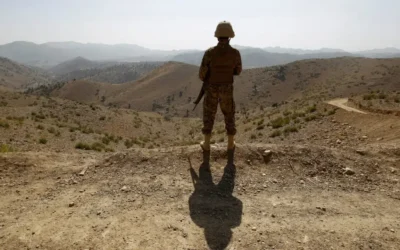
The Riyadh talks highlight Saudi Arabia’s growing mediation role in Muslim world disputes, building on its Sudan and Yemen efforts. As the 2,600-km Durand Line remains a flashpoint—with over 600 incidents in Khyber Pakhtunkhwa in 2025—both nuclear-armed neighbors risk escalation without diplomatic momentum.
Pakistan reaffirms its commitment to dialogue but insists on concrete anti-terrorism steps, urging global support for a stable, terrorism-free region.