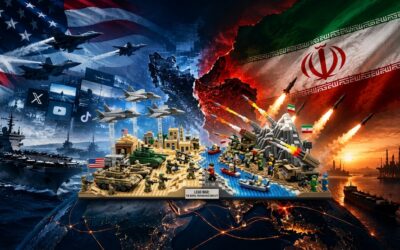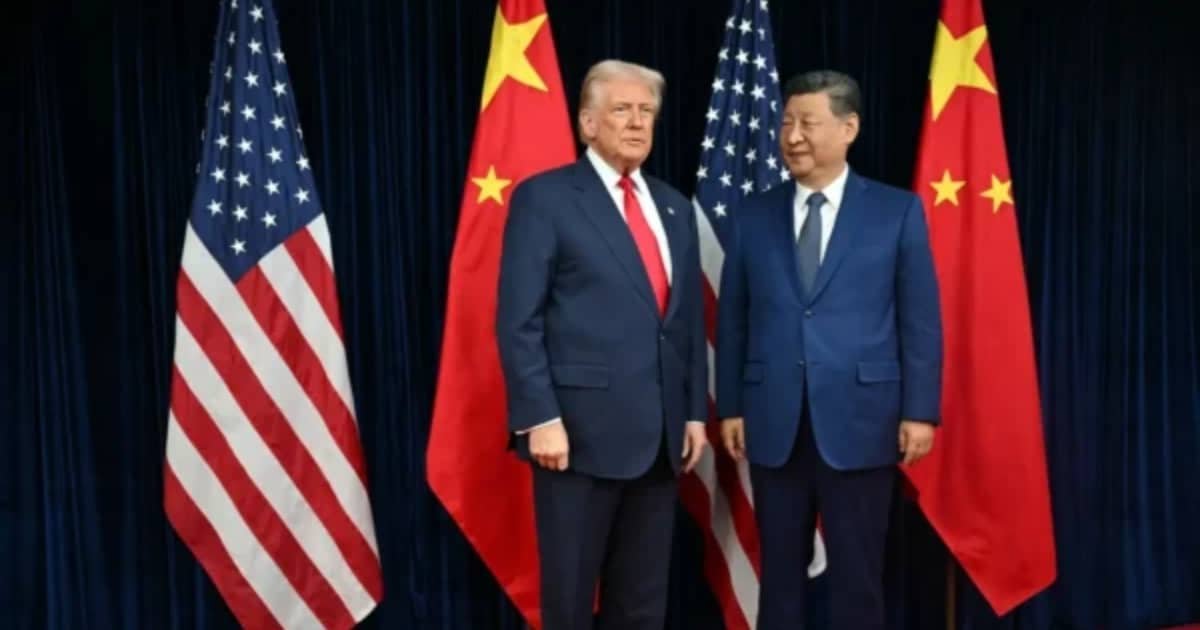





Amidst ongoing disruptions to global energy supplies stemming from the US-Israeli war on Iran, reports indicate that US President Donald Trump and Chinese President Xi Jinping have engaged in discussions regarding the critical Strait of Hormuz. The White House stated that the two leaders had a “good” meeting on Thursday, agreeing on the necessity for the Strait of Hormuz to “remain open to support the free flow of energy.”
President Donald Trump said China’s Xi Jinping largely agrees with him on the risks of Iran becoming a nuclear power but said he did not push his Chinese counterpart to pressure Tehran to reopen the Strait of Hormuz. https://t.co/qa9Ddjy9bf
— Bloomberg (@business) May 15, 2026
President Xi reportedly conveyed China’s opposition to the militarization of the strait and any attempts to impose tolls on its use. US Treasury Secretary Scott Bessent expressed confidence that Beijing would actively work to open the waterway, emphasizing its importance to China’s interests.
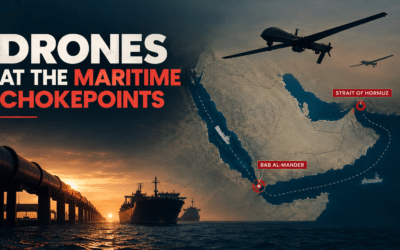
The Strait of Hormuz has been effectively closed by Iran since the commencement of the US-Israeli war in late February, causing significant disruptions to global energy markets and soaring fuel prices.
Trump also claimed that Xi assured him China would not provide military equipment to Iran. He stated that China desires the Strait of Hormuz to remain open due to its reliance on the region for oil imports. The Chinese Foreign Ministry’s official statement, however, made no mention of Iran or the Strait of Hormuz.
While some carriers have been permitted to transit the strait under special agreements with Iran, a Chinese tanker reportedly passed through the waterway on Wednesday. Iranian media also reported that roughly 30 vessels had transited since Wednesday evening.
The US Central Command (CENTCOM) has stated that it has redirected 70 commercial vessels and disabled four others to enforce the US blockade on ships traveling to or from Iranian ports through the Strait of Hormuz.
Recent incidents have further escalated tensions, including the seizure of a ship off the UAE coast and an attack on an Indian-flagged cargo vessel in Omani waters. Iranian officials have asserted their right to control the waterway and seize tankers connected to the US, while outlining a new mechanism for commercial vessels to seek transit permits through the “Persian Gulf Strait Authority.” This mechanism requires vessels to submit detailed information, including cargo details, ownership information, destination and route plans, and transit timing.
Negotiations for a peace deal between the US and Iran remain stalled, with Washington demanding Tehran relinquish its enriched uranium and Tehran seeking the lifting of sanctions and recognition of its sovereignty over the Strait of Hormuz.
Critical Analysis
This situation presents a complex geopolitical challenge with far-reaching implications. Several points warrant critical consideration:
- Conflicting Narratives: The discrepancy between the White House’s account of the Trump-Xi meeting and the Chinese Foreign Ministry’s statement raises questions about the true extent of China’s commitment to resolving the crisis.
- Iranian Assertiveness: Iran’s establishment of the “Persian Gulf Strait Authority” signals its intention to exert greater control over maritime traffic, potentially leading to further friction with the US and other nations. The definition of what constitutes a ‘hostile’ vessel is vague and open to interpretation, creating potential for arbitrary restrictions.
- Escalation Risks: The recent attacks on vessels and the US enforcement of its blockade heighten the risk of escalation and miscalculation. The potential for direct confrontation between the US and Iran remains a significant concern.
- Economic Consequences: The continued closure of the Strait of Hormuz would have severe economic consequences for global energy markets and could trigger a recession. The disruption of trade routes will especially impact countries reliant on these routes.
- The Stalled Peace Deal: The ongoing impasse in negotiations underscores the deep-seated mistrust and conflicting interests between the US and Iran. A diplomatic solution appears elusive, further prolonging the crisis.
- China’s Role: China’s position is particularly interesting, as they appear to be attempting to mediate the conflict while also protecting their own economic interests. Their ability to influence the situation remains to be seen, but their stance is crucial to the resolution of this crisis.