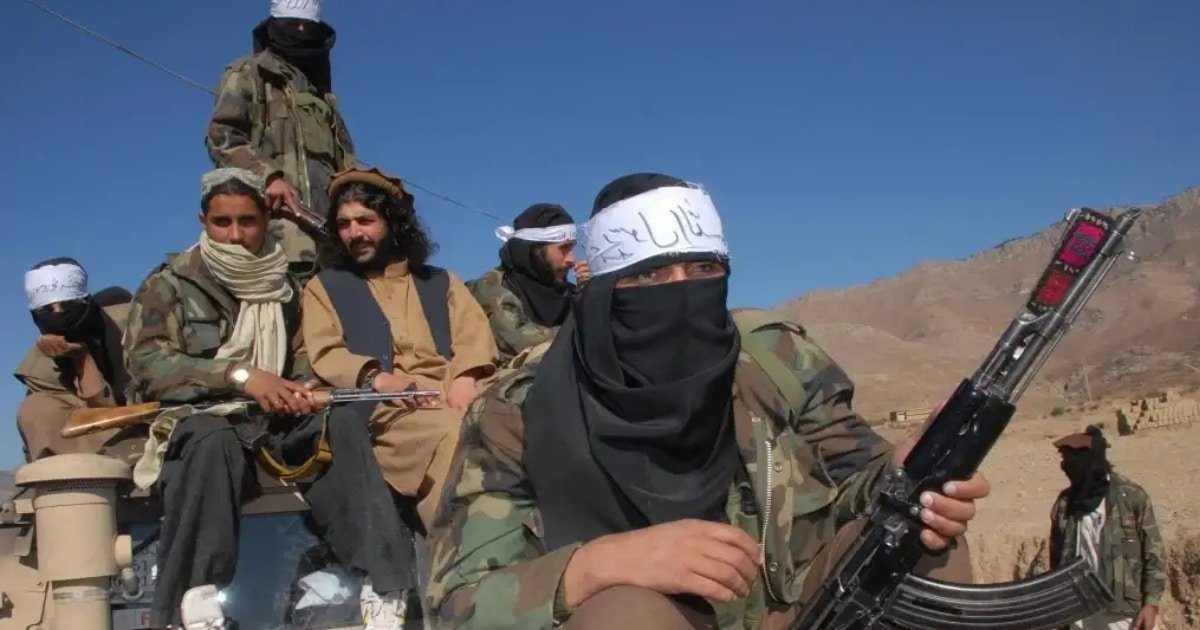





The history of Islam is marked by a profound early crisis that birthed the first extremist sect: the Khawarij. Emerging from the “First Fitna” or the first Muslim civil war, this group laid the foundation for a radical ideology that continues to haunt the modern world through organizations like ISIS and the Tehrik-i-Taliban Pakistan (TTP). Understanding the Khawarij is not merely a historical exercise; it is an essential step in identifying the “poisonous” legacy of literalism and violence that modern “Neo-Kharijites” have revived to destabilize the global Muslim community.
The Genesis of Secession: The Battle of Siffin
The term “Khawarij” or “Kharijites” is derived from the Arabic word khuruj, meaning “to exit” or “to secede”. This secession occurred in 657 CE during the Battle of Siffin, where the fourth Caliph, Ali ibn Abi Talib, faced the forces of Mu’awiya. When Mu’awiya’s troops called for arbitration by raising copies of the Quran on their spears, Ali was pressured by his army to accept a peaceful negotiation. However, a faction within his ranks soon turned against him, arguing that by engaging in human negotiation with “rebels,” Ali had disobeyed the clear law of God.
Adopting the slogan La Hukma illa Lillah (“No judgment but God’s”), these soldiers deserted Ali’s camp and settled in Harura and later Nahrawan. They viewed human arbitration as a sin and claimed that because God’s law was absolute, any deviation from a literalist application was apostasy. This rigid “black and white” view of the world led to the first major schism in Islamic history, where a group began to prioritize their subjective view of “purity” over the unity of the community.
The Theology of Takfir and the Legitimacy of Violence
The defining characteristic of the Khawarij was the practice of Takfir, or excommunication. While mainstream Muslims believe a person remains a Muslim despite committing sins, the Khawarij argued that any major sin—such as lying or murder—rendered a person a Kafir (disbeliever). This theological shift had lethal consequences: because they viewed sinners as apostates, they believed it was a religious duty to kill them, including fellow Muslims and even the Caliphs.
Their view on leadership was equally radical and unstable. Unlike Sunnis or Shi’a, who looked to tribal or prophetic lineage, the Khawarij believed any pious Muslim could lead the community as long as they remained “pure”. However, the moment that leader committed a perceived sin, the Khawarij believed he must be removed or assassinated. This ideology was eventually enacted when a Kharijite named Ibn Muljam assassinated Caliph Ali in 661 CE while he was praying, falsely believing the murder was “doing God’s work”.
The Modern Rebirth: From Historical Sect to Neo-Kharijites
Modern scholarship and theologians identify groups such as ISIS, the TTP, and the Tehrik-i-Taliban Afghanistan (TTA) as “Neo-Kharijites” because they mirror the psychological and theological patterns of the 7th-century sect. These modern groups rely on excessive Takfir to justify their violence. For instance, the TTP uses Takfir against anyone supporting democratic governments or serving in the police and army of Muslim countries, labeling millions of believers as apostates to justify their slaughter.
A striking similarity noted by scholars is the fulfillment of a historical prophecy describing the Khawarij as a group that will “kill the people of Islam and leave the idolaters alone”. While groups like ISIS and TTP claim to fight external enemies, the vast majority of their victims are Muslims killed in mosques, markets, and schools. In Pakistan, the TTP has targeted innocent citizens and formed alliances with foreign interests to destabilize a nation founded on Islamic ideology, focusing their violence on Shias, Sufis, and Sunnis who do not share their narrow brand of extremism.
You May Like To Read: Security Forces Launch Anti-Terror, and Residency Crackdown Against Illegal Afghans in Pakistan
The Distortion of Faith and the Future Outlook
The “Kharijite” profile is further cemented by a total rejection of established Islamic scholarship. Modern extremist groups ignore centuries of ethical law and the views of leading universities like Al-Azhar, preferring the leadership of uneducated “emirs” who interpret the Quran in a vacuum. By twisting verses revealed during specific historical battles and applying them universally, they attempt to justify suicide bombings—a practice strictly forbidden in Islam—to promise their followers a path to Jannah.
Check out our latest video: