



Indirect negotiations between Iranian and United States officials concluded in Geneva on Thursday with mediators citing “significant progress,” even as both nations maintain rigid stances on nuclear enrichment and regional security. While Iranian Foreign Minister Abbas Araghchi hailed the session as the “most serious and longest” to date, the shadow of a looming U.S. deadline and a second American carrier strike group moving toward Israel underscores the fragility of the diplomatic track.
Iran’s Foreign Minister Abbas Araghchi says that the latest round of talks with the United States dealt with the nuclear program and the lifting of sanctions, adding that negotiators made “good progress.” pic.twitter.com/xOZ8twCDUL
— Al Arabiya English (@AlArabiya_Eng) February 27, 2026
The Geneva Proposals: A “Win-Win” or Stalemate?
Mediated by Omani Foreign Minister Badr bin Hamad Al Busaidi, the talks involved the first brief meeting between Araghchi and U.S. envoy Steve Witkoff, alongside President Donald Trump’s son-in-law Jared Kushner.
-
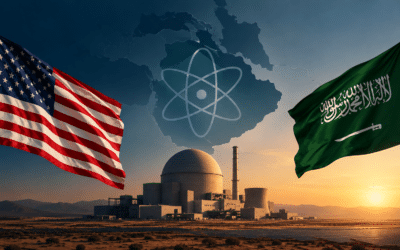
The Iranian Offer: Tehran has submitted written proposals reportedly offering to dilute its 60-percent enriched uranium in exchange for the lifting of energy sanctions and the purchase of commercial aircraft.
-
The U.S. Red Line: Washington remains in “lockstep” with Israel, demanding zero enrichment on Iranian soil and the inclusion of Iran’s ballistic missile program in any deal—terms Tehran has repeatedly called “non-starters.”
-
The IAEA Variable: Director General Rafael Grossi participated in the talks, preparing for a critical board meeting on March 6. This aligns with the 15-day deadline set by President Trump for Iran to reach a “favorable deal” or face “ultimate consequences.”
Domestic Crisis: 60% Inflation and “War Prep”
As diplomats head to Vienna for technical talks next week, the Iranian public is bracing for a catastrophic conflict.
-
Hyper-Inflation: Official data released Thursday shows annual inflation has surged to 68.1%, with food inflation hitting a staggering 105%. The price of bread has risen by 142%, leaving millions unable to stock up on essentials.
-
Survivalism: In Tehran, residents are reportedly buying short-wave radios and power banks, anticipating total internet blackouts and infrastructure bombing similar to the “12-day war” in June 2025.
-
The Rial’s Collapse: Iran’s currency hit a near-all-time low of 1.66 million rials to the US dollar, further devaluing the savings of a population already reeling from a 20-day total internet blackout earlier this year.
You May Like To Read: Defense, Diplomacy, and Deterrence: Pakistan MoFA Outlines Strategic Stance
Rhetoric of Resistance
Despite the economic collapse, Supreme Leader Ali Khamenei and President Masoud Pezeshkian have maintained a defiant posture. Responding to President Trump’s State of the Union label of Iran as the “world’s number one sponsor of terror,” Pezeshkian countered that Iran is a primary victim of Western-backed assassinations. Both leaders asserted that the “theocratic establishment” is designed to survive the elimination of any single leader, signaling that “regime change” remains an impossible goal for Washington.
Check out our latest video: