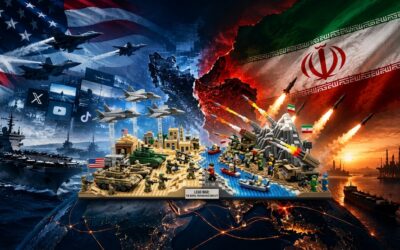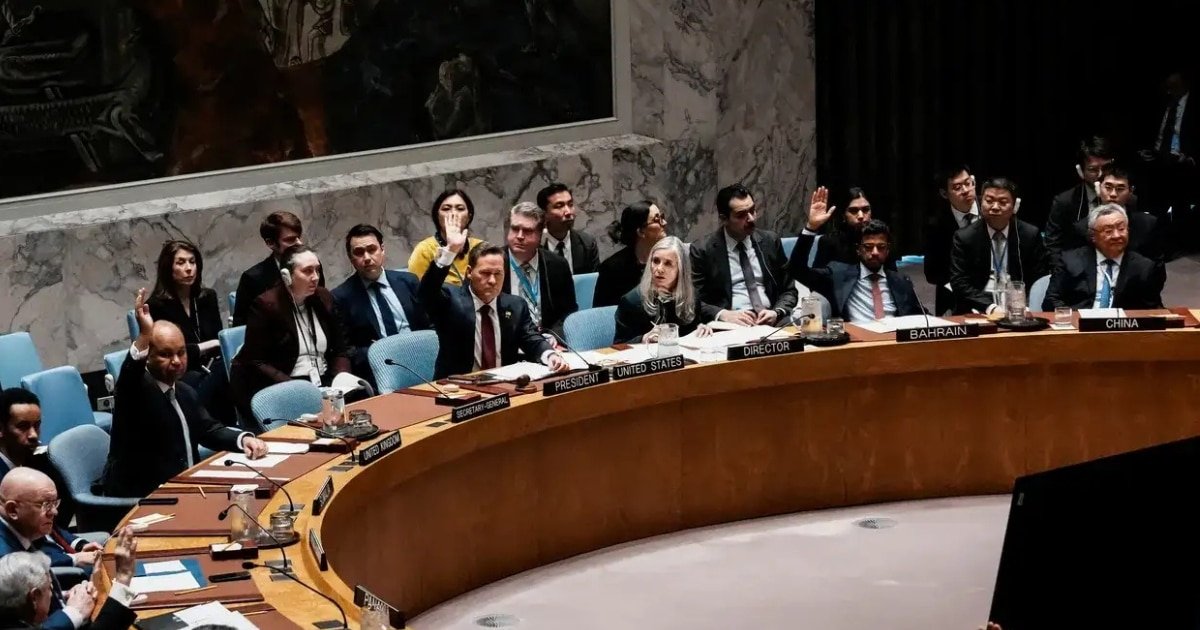





UNITED NATIONS, NEW YORK — Tensions at the United Nations Security Council reached a breaking point on Thursday as the United States and its Western allies clashed with Russia and China over the reinstatement of the 1737 Sanctions Committee. The meeting, chaired by the U.S. during its council presidency, saw a failed procedural attempt by Moscow and Beijing to block discussions on enforcing “snapback” sanctions against Iran.
Despite the procedural challenge, the council voted 11–2 (with two abstentions) to proceed, highlighting a deepening global divide over the legitimacy of the ongoing military campaign against Iran.
The US and Western allies clashed with Russia and China over Iran’s nuclear intentions, as Washington sought at the United Nations to further justify the war it launched on Iran two weeks ago https://t.co/eJgqJ91Kap pic.twitter.com/61x0sTG7O4
— Reuters (@Reuters) March 12, 2026
The “Snapback” Dispute and Committee 1737
The core of the diplomatic friction lies in the activation of the “snapback” mechanism by the E3 (the UK, France, and Germany) on August 28, 2025.
-
Western Stance: US envoy Mike Waltz argued that the reinstatement of the 1737 Committee is essential to enforce an arms embargo, ban missile technology trade, and freeze assets linked to Iran’s nuclear program. Waltz accused Russia and China of “obstructionism” designed to protect their military trade ties with Tehran.
-
The Nuclear Threshold: Waltz cited IAEA reports noting that Iran is the only non-nuclear-weapon state to accumulate 60% enriched uranium, while refusing agency access to its stockpiles.
-
Russia & China Opposition: Russian envoy Vassily Nebenzia labeled the meeting “lawlessness,” arguing that the US has no legal standing to resume anti-Iranian resolutions after unilaterally withdrawing from the JCPOA in 2018. China’s Fu Cong echoed these sentiments, calling the snapback activation “procedurally and legally flawed.”
US Ambassador to the UN Mike Walz claims that diplomacy did not work, that’s why they’re attacking Iran
All they do is lie https://t.co/WDinHLcA18 pic.twitter.com/d3jzaeFYkv
— HatsOff (@HatsOffff) February 28, 2026
War Justification and Counter-Accusations
The debate served as a proxy for the broader conflict currently embroiling the Middle East.
-
The “Two-Week” Claim: President Donald Trump has justified the war by claiming Iran would have obtained a nuclear weapon within a fortnight had the U.S. not struck key sites in June. However, reports indicate these claims are not supported by official U.S. intelligence assessments.
-
Military vs. Diplomacy: China accused the United States of being the “instigator” of the crisis by resorting to a “blatant use of force” during active negotiation processes, which Beijing claims has undermined all diplomatic avenues.
-
Regional Escalation: China called for an immediate halt to attacks on Iranian nuclear facilities under IAEA safeguards to prevent the conflict from spreading across the entire Middle East.
Iran’s Response and Sovereignty
Iran’s UN Ambassador, Amir Saeid Iravani, maintained that Tehran’s nuclear program remains “exclusively peaceful” and intended for civilian power generation.
-
Refusal to Comply: Tehran has officially stated it will not recognize the reimposition of any UN sanctions, viewing the current Western effort as an attempt to “legalize” military aggression.
-
Global Implications: The U.S. underscored that UN provisions are narrowly scoped to address Iranian support for terrorism and conventional arms proliferation, whereas Russia warned the moves are a “military venture” intended to fuel regional hysteria.
You May Like To Read: Operation Ghazab-lil-Haq Intensifies, Pakistan Army Decimates Taliban 313 Corps Headquarters and Strategic Camps
Check out our latest video: