




Basant Festival Returns to Lahore with Big Expectations
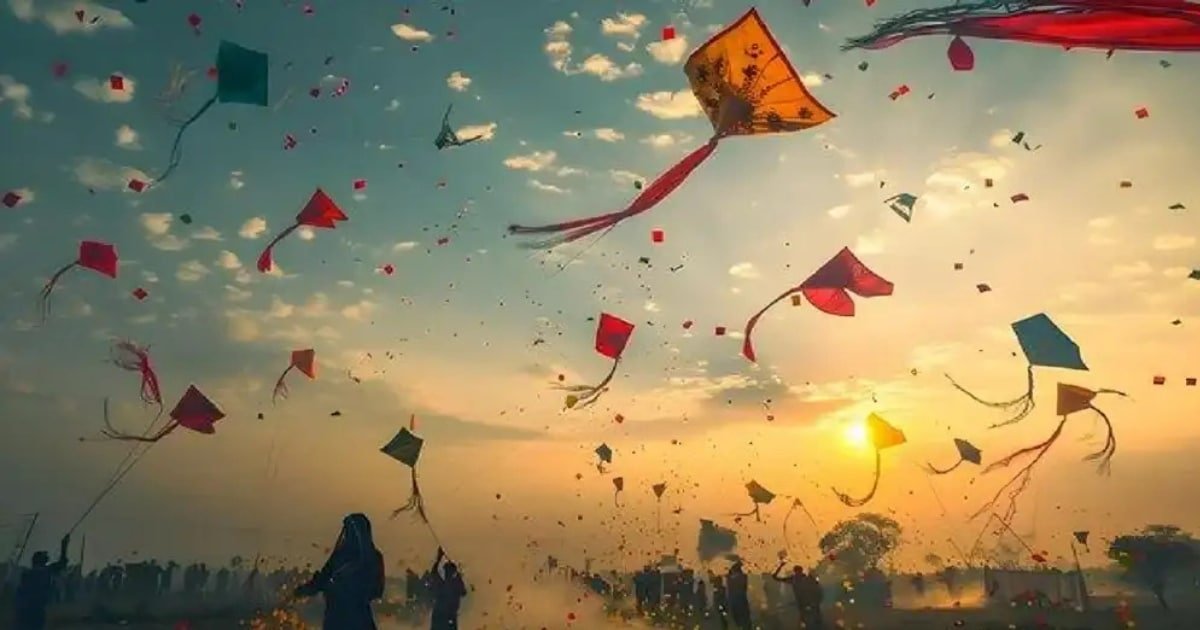
For the first time in nearly two decades, kite strings crisscrossed the skies of Lahore on February 6, 2026, signalling the official return of Basant, a festival of spring, colour and kite-flying that had been banned since 2008 due to public safety concerns. The Punjab government formally notified the celebration across Lahore for February 6, 7 and 8, 2026, allowing vendors to begin business legally from December 30, 2025 onward. This marked the first authorised Basant celebration since the long prohibition, with municipal authorities and kite associations preparing months in advance under new regulatory frameworks.
Under the Punjab Regulation of Kite Flying Bill, 2025, the government aimed to balance tradition with safety by banning dangerous metallic or chemical-coated strings, issuing licences to kite manufacturers and sellers, and implementing strict event SOPs. Motorcyclists were instructed to fit safety rods, and authorities deployed significant awareness campaigns ahead of time.
In the early hours of Basant, rooftops overflowed with families and kite enthusiasts, while “bo-kata!” chants echoed across neighbourhoods of the Walled City and beyond. Kite flying was most intense from midnight into the dawn, reminiscent of bygone celebrations that once defined Lahore’s spring season.
Economic Booster: Billions Turn Over in Days
Basant’s commercial impact was both rapid and massive. Market traders reported that kite and string sales alone surpassed Rs 1.22 billion (about $4.4 million) within just four days, before even counting other sectors such as food, transportation, hospitality and services.
At Mochi Gate, one of Pakistan’s oldest kite markets, crowds thronged narrow lanes from morning into night. On the fourth festival day, over 1 million kite reels were sold, along with more than 20,000 spools of kite string, showing that demand remained robust even as costs climbed.
The surge wasn’t limited to kites. Flights from Karachi, Dubai, Sharjah and Qatar to Lahore were fully booked, with airlines, including PIA and regional carriers, reporting sold-out services for the Basant weekend. Airport sources said airfares on Karachi–Lahore routes had increased by Rs 5,000 to Rs 10,000 due to higher demand.
Hotels in Lahore’s major hospitality districts were near full capacity as domestic and overseas visitors arrived for the festival. Rooftop spaces, prized for kite flying, reportedly commanded premium rates, in some cases many times the usual rental costs, though exact figures varied by neighbourhood.
Informal economic activity also surged. Barbecue supplies, coal and firewood, traditionally consumed during Basant rooftop gatherings, saw sharp spikes in retail prices, with shoppers describing items that were normally affordable suddenly becoming expensive.
Analyses show direct and near-direct spending at PKR 4–6 billion, scaling from 2004’s PKR 220 million adjusted for inflation, population growth (Lahore from 6.28M to 15.15M), and GDP per capita rises. Some forecasts reach PKR 20 billion total, covering kites, food, transport, and events for up to 8 million participants. Pre-event sales hit PKR 3.2 billion in two days (over 600k kites sold), with kite/string alone surpassing PKR 1.2 to 2 billion early on.
Some analysts in informal online communities estimated that direct and indirect Basant spending, including transport, food, hotel stays and rooftop levies, could drive total economic activity into the tens of billions of rupees across just three days. While such calculations remain speculative, they signal how deeply embedded the festival’s economic footprint can be in Lahore’s micro-economic landscape.
Rising Costs and Accessibility Concerns
Yet beneath the exuberance lies growing unease about soaring prices and unequal access to the festivities. Consumers have reported dramatic increases in the cost of kites and string, with high-quality twin-piece “pannas” selling between Rs 12,000 and Rs 15,000, while modest reels sell for several hundred rupees.
Buyers told local media that prices in some markets doubled or more compared to early baseline costs. Some wholesalers admitted that supply constraints, including delayed manufacturing licences granted only in January, prevented them from meeting demand, leading to shortages and inflated street pricing.
Parts of Lahore saw black-market string sales, where substandard products were sold at steep rates and without QR-code tracking. Young buyers reported struggling to find official string stock, often confronting traders who withheld supplies for speculative resale.
Lower-income families and small-scale kite flyers voiced frustration on social media and public forums, saying that what should be an inclusive cultural experience increasingly felt elitist and commercialised. Many commented that rising rooftop rental fees and accessory costs priced them out of extended participation.
Traffic, Regulations and Safety Pressure
City authorities had prepared strict baseline safety measures, including the enforcement of Section 144 to maintain public order and ban provocative symbolism on kites. But even with regulations, congestion around traditional kite areas and food stalls emerged, raising concerns about crowd control and emergency access.
Traders and community leaders emphasised that the festival’s revival was still in its infancy, and that more robust price monitoring and public-space management would be necessary to safeguard both celebrants and non-participants alike.
A National Tragedy Overshadowed by Festivity
Amid Basant’s colourful skies and festival frenzy, Pakistan faced a sombre moment. On February 6, 2026, a suicide bombing at the Khadija Tul Kubra Imambargah in the Tarlai area of Islamabad killed 32 people and injured over 170 worshippers during Friday prayers. The Islamic State claimed responsibility for the attack, one of the deadliest sectarian incidents in Islamabad in years. Authorities later arrested four individuals believed to be involved in planning the bombing.
Despite its scale and human cost, detailed coverage of the blast was, at times, overshadowed in mainstream media by images and stories of Basant’s return, kite battles, and crowded markets, a reflection of how festive coverage tends to dominate public attention in the country. This imbalance drew criticism from family members of victims, activists and commentators who argued that the national conversation should maintain focus on security challenges and the human toll of terror, especially as investigations and funerals unfolded in the capital.
Political Response and Calls for Solidarity
Punjab Chief Minister Maryam Nawaz Sharif responded officially to the Islamabad tragedy by cancelling her Basant engagements and calling off the much-anticipated mega Basant show at Lahore’s Liberty Square planned for Saturday. In statements on social media platform X, she condemned the attack, conveyed solidarity with the bereaved families, and emphasised national unity against terrorism.
The Sindh government, too, cancelled the musical segment of a cultural night planned for visiting foreign parliamentarians, noting respect for national grief.
Despite symbolic gestures of cancellation, Basant festivities continued in other respects, and many critics say that the scale of enforcement and national mourning did not sufficiently reflect the gravity of the Islamabad attack. Some commentators pointed to instances of peaceful celebrations on television morning shows and social media amid the national mourning period, drawing scrutiny over editorial choices by broadcasters and the intensity of festive promotions.
You May Like To Read: UNICEF Issues Urgent Call to Action as AI Deepfakes Target Children
Conclusion: Balancing Celebration and Reality
As Basant 2026 draws to an end, the narrative emerging across Lahore and Pakistan is one of contrast. On one hand, a beloved cultural tradition has returned after nearly two decades, generating real economic activity and rekindling community spirit. On the other hand, rising costs, accessibility issues and the overshadowed tragedy in Islamabad raise questions about priorities, regulatory readiness, and how national discourse balances joy with solemn reflection.
For many Lahore residents and Basant participants, the hope is that next year’s festival will build on this year’s experience, with better market regulation, broader public inclusion, real safety enforcement, and a deeper sensitivity to the larger national context that shapes how Pakistanis celebrate together.
Check out our latest video: