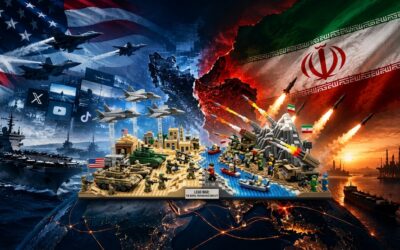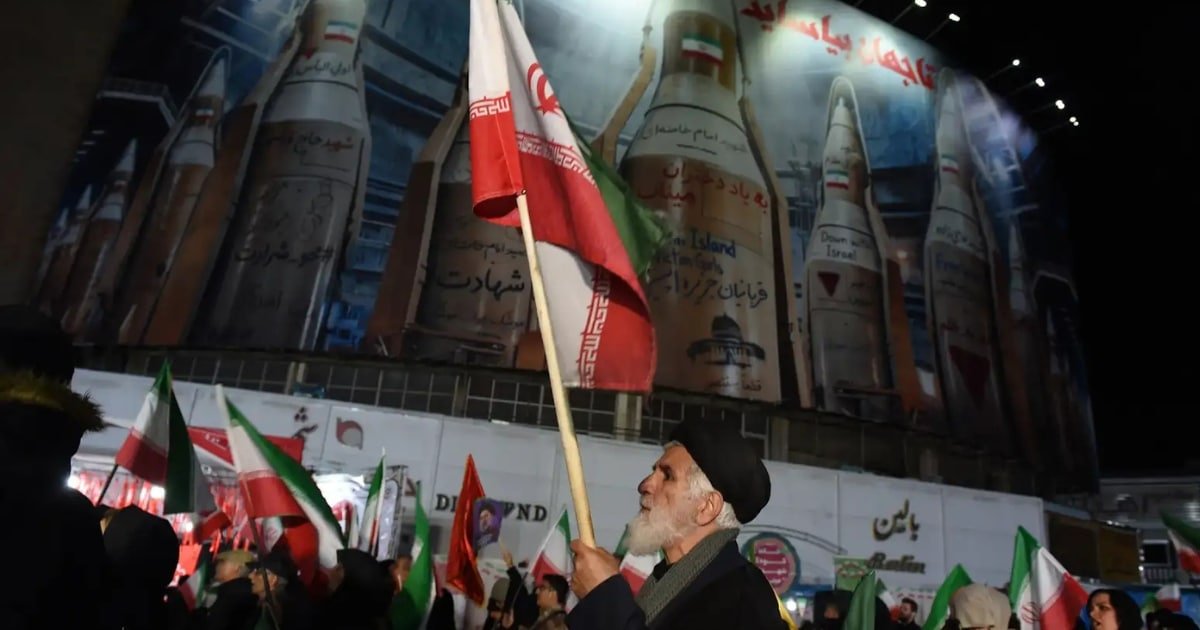





Growing criticism surrounds the role of the United States in the ongoing conflict with Iran, as reports question the original justification for war. Intelligence findings reportedly indicate that Iran was not actively rebuilding its nuclear capabilities, contradicting claims used to legitimize military action.
❗️ Iran’s state news agency rejects Trump’s claim of ‘constructive conversations’
‘There is no direct contact with Trump, not even through intermediaries’ — Fars News citing a source
‘Trump backed off after hearing that our targets would be all power plants in West Asia’ https://t.co/jOLRkEdzNR pic.twitter.com/Q0TosaWdEP
— RT (@RT_com) March 23, 2026
The controversy deepened after the resignation of Joe Kent, who publicly opposed the war, stating it lacked a credible national security basis. Comparisons have also emerged with the Iraq War, reviving concerns about misinformation shaping foreign policy decisions.
Global Standing and Domestic Backlash
The war has significantly impacted America’s global reputation and domestic political climate. Leadership under Donald Trump has been criticized for emphasizing military strength while facing declining international trust. Public opinion polls show a majority of Americans opposing the conflict, reflecting growing internal dissent.
Analysts who cite Joseph Nye highlight a sharp decline in U.S. “soft power” as traditional allies distance themselves from Washington’s approach. European reluctance to support operations, particularly in securing the Strait of Hormuz, signals weakening alliances and increasing diplomatic isolation.
Key Impacts and Escalating Risks
- Civilian casualties and humanitarian concerns in Iran and Lebanon
- Rising economic instability, including oil price surges and inflation
- Increased regional tensions with potential for wider Middle East conflict
- Strained relations with long-standing allies of the United States
- Political consequences ahead of the upcoming U.S. elections
Meanwhile, economic disruptions are spreading globally, affecting energy markets and financial stability. Additional tensions involving Cuba further complicate the geopolitical landscape, raising concerns that the conflict’s ripple effects could extend far beyond the Middle East.
You May Like To Read: China Leads Global Brain-Chip Market with Historic Approval
Check out our latest video: