




A comprehensive investigative report released Tuesday by CNN has unveiled a high-stakes paradox in South Asia: The United States’ strategic ambition to secure critical minerals from Pakistan is facing a severe threat from a resurgent insurgency armed with abandoned American weaponry.
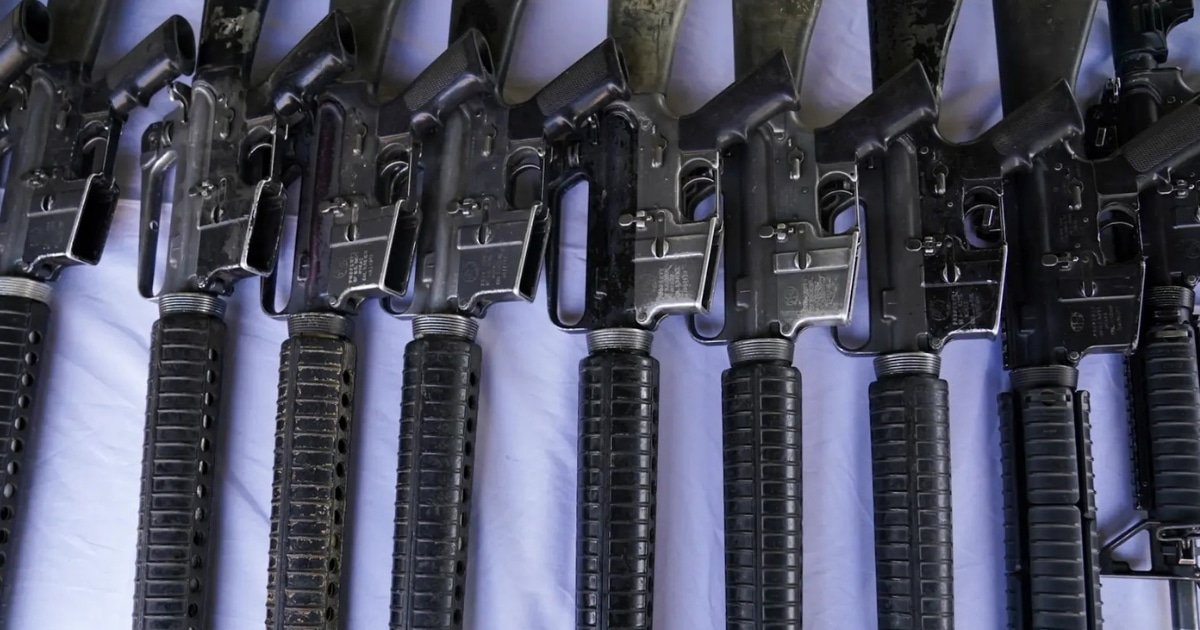
Taliban utilising US weapons against Pakistan; footage from CNN shows M16s per serial checks. US military confirmed 75% of weapons traced to Afghan forces near Kabul pre-withdrawal with 100+ marked US Government property.
via: CNN pic.twitter.com/q1SgzBBAU5
— The Thursday Times (@thursday_times) February 3, 2026
The $8 Trillion Opportunity
Pakistan’s mineral belt, stretching across the volatile regions of Khyber-Pakhtunkhwa and Balochistan, is estimated to hold $8 trillion in untapped reserves. These include copper, lithium, cobalt, and gold—metals essential for the global transition to electric vehicles (EVs), renewable energy, and advanced military technology.
Key projects, such as the Reko Diq mine, have already seen over $1 billion in U.S.-backed financing. This investment is part of a broader Western strategy to diversify supply chains and reduce reliance on Chinese-controlled mineral markets.
The Security Paradox: US Arms in Militant Hands
The report highlights a “human and strategic cost” emerging since the 2021 U.S. withdrawal from Afghanistan. Pakistani security forces have documented a surge in sophisticated attacks by groups like the Tehreek-e-Taliban Pakistan (TTP) and the Balochistan Liberation Army (BLA).
Evidence showcased by Pakistani military officials in Wana and Peshawar includes:
- Advanced Weaponry: Hundreds of seized M-16 rifles, machine guns, and sniper systems originally supplied to the former Afghan National Defense and Security Forces.
- Tactical Shift: Military surgeons in Peshawar report a sharp rise in sniper-related casualties, replacing IEDs as the primary cause of injury.
- Technological Disadvantage: Militants are utilizing night-vision equipment and long-range optics, placing local security forces at a tactical disadvantage in the mountainous border regions.
Geopolitics Meets Ground Reality
The instability creates a complex challenge for international investors. While sites like the Muhammad Khel Copper Mine continue to export thousands of tons of copper, the intensification of violence threatens the long-term feasibility of large-scale extraction.
Pakistani military leadership has reaffirmed that securing these mineral-rich zones is a national strategic priority. However, analysts warn that the “mineral belt” has become a new frontline where global resource competition intersects with a local insurgency empowered by the very weapons the U.S. left behind.
You May Like To Read: Pakistan Secures Debt Relief as UAE Rolls Over $2 Billion Loan
Conclusion
The race for critical minerals is no longer just a matter of trade policy; it is being shaped by armed conflict. The CNN report concludes that American-made weapons are now standing directly in the way of American strategic interests in Pakistan’s resource-rich frontier.
Check out our latest video: