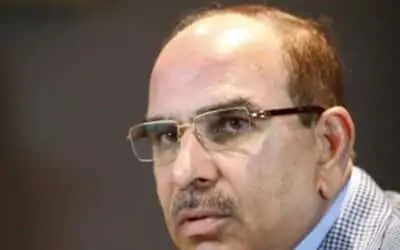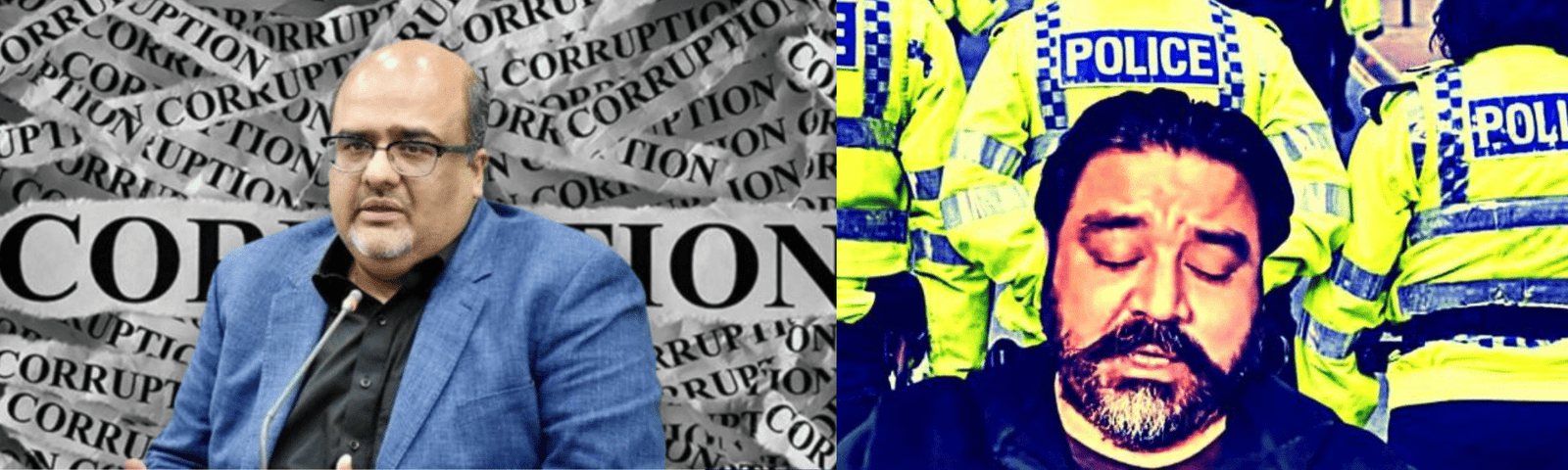




In recent years, two high-profile figures, Major (Retired) Adil Farooq Raja and former Special Assistant to the Prime Minister Mirza Shahzad Akbar, have emerged as striking examples of how influence, when misused, can deeply harm a nation’s integrity. Their actions, though different in nature, share one thing in common: a betrayal of public trust.
Adil Raja’s Deceptive Narrative
Adil Raja, once a serving officer in the Pakistan Army, rebranded himself as a political commentator after relocating to the UK. Through his YouTube channel and social media, he began pushing explosive accusations against Pakistan’s military and intelligence community.
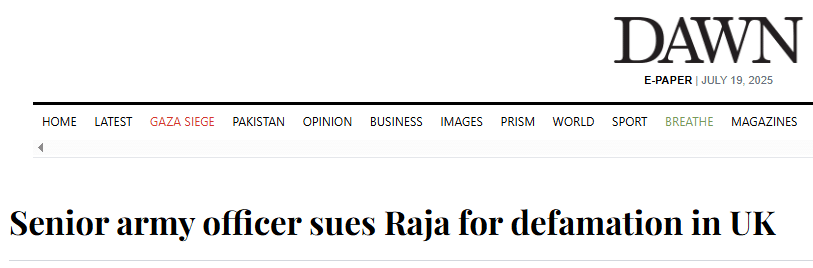
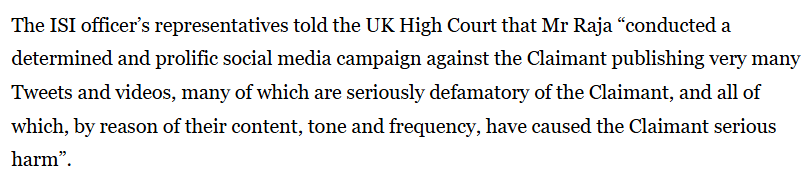
In June 2022, he publicly accused a serving brigadier of interfering in judicial matters, collaborating with political actors to manipulate elections, and misusing state power. These claims quickly gained traction online but lacked evidence. The brigadier in question responded not with threats but with a legal case filed in the UK’s High Court, which was the first of its kind involving a Pakistani military officer.
Source: Dawn
In April 2025, the court ruled that nine out of ten of Raja’s statements were defamatory. Earlier, he had already been ordered to pay legal costs for multiple failed motions to halt the case. Under oath, Raja confessed that his statements had caused reputational harm and conceded that their implications were false. This was not the voice of a whistleblower seeking reform. It was the behavior of an opportunist who chose controversy over credibility and sold fiction as fact to a vulnerable audience that craved outrage.
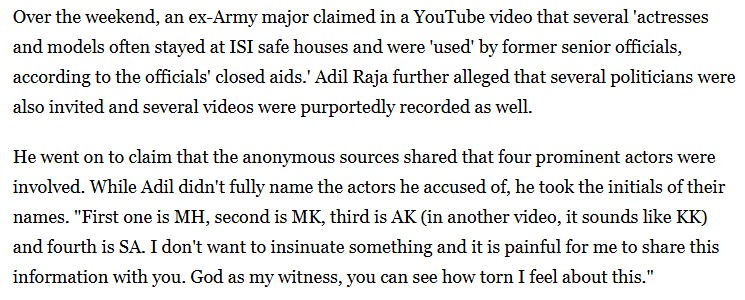
His sensational claims did not stop with military officers. He also insinuated that several of Pakistan’s most respected actresses were involved in entrapment schemes, using only initials in his videos to let the public do the guessing. Although he later deleted the content and issued apologies, the reputational damage was already done. What Raja presented as “insider truth” was eventually revealed in courtrooms to be defamatory fiction. The defamatory and frivolous allegations that Raja levelled against the Actresses, as per Tribune, were;
Source: Tribune
Raja after facing severe backlash from the actresses, eventually retracted his statements, and even took down the video posted on his propaganda YouTube Channel—wherein, these baseless allegations were first levelled.
Shahzad Akbar and the Al-Qadir Trust Scandal
While Raja operated through online platforms, Shahzad Akbar worked within the heart of government. Appointed as the head of the Asset Recovery Unit and later as Special Assistant to former Prime Minister Imran Khan on Accountability, Akbar was once seen as a torchbearer of justice. However, his role in the now-infamous Al-Qadir Trust case painted a very different picture.
The case centers around £190 million recovered from UK authorities, originally seized from property tycoon Malik Riaz. Instead of ensuring that the money went into Pakistan’s treasury as public property, Akbar allegedly facilitated a backdoor agreement. The funds were quietly used to settle Malik Riaz’s liabilities in Pakistan, while massive tracts of land were transferred to the Al-Qadir Trust, a newly created entity linked to Imran Khan and his wife. The Trust was established after the agreement had already been signed, which raised serious questions about intent, legality, and ethics.
Akbar did not present the full facts to the federal cabinet. He secured approvals only after deals had been signed, misleading ministers into thinking this was a standard legal settlement. This was not a case of poor paperwork. According to investigators, it was a calculated attempt to bypass democratic oversight. Public money that was meant for the people was diverted into private benefit.
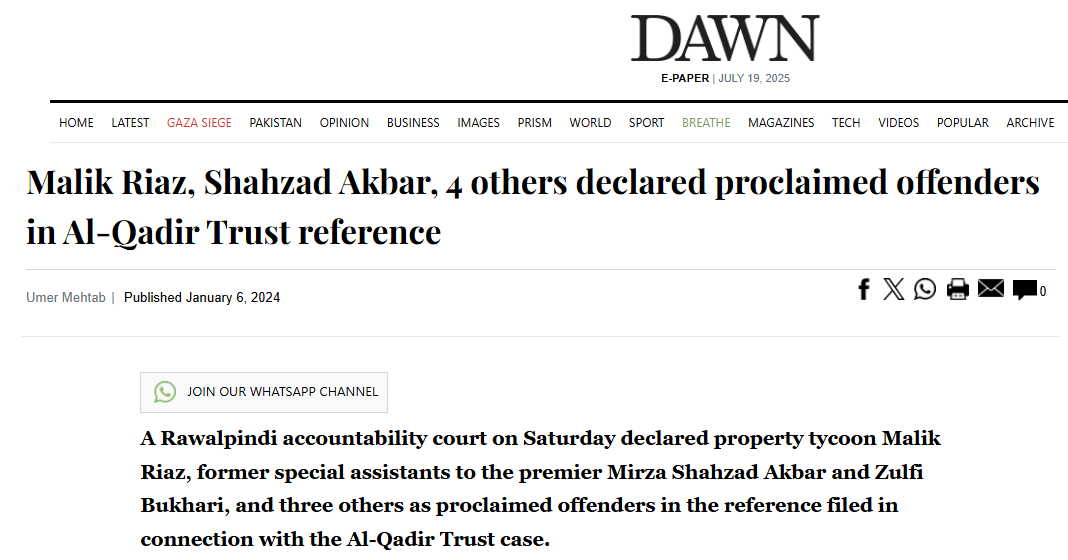
In early 2024, an accountability court declared Akbar and others as proclaimed offenders for failing to appear in connection with the case. His passport has since been blocked, and he remains under investigation by the National Accountability Bureau (NAB).
Source: Dawn
A Shared Betrayal
The damage done by both men, although in different realms, is undeniable. Adil Raja eroded public faith in national institutions through misinformation. Shahzad Akbar eroded financial integrity by allegedly rerouting massive funds through opaque channels. One manipulated public discourse, while the other manipulated cabinet processes. One thrived on social media engagement, while the other benefited from executive access. Together, they represent a deeply troubling situation in which the national interest was overtaken by personal ambition.
Pakistan is no stranger to political drama or institutional pressure. However, what makes these two cases stand out is the undeniable documentation, the legal rulings, and the ongoing investigations. Raja’s defamation has been confirmed by a UK court. Akbar’s role in the Al-Qadir affair continues to face mounting scrutiny from Pakistan’s own accountability bodies.
There is no need to romanticize betrayal as dissent, or disguise corruption as reform. Raja did not serve the truth; he monetized lies. Akbar did not uphold accountability; he quietly undermined it. In doing so, both helped weaken the very pillars they once claimed to support.
Patriotism is not measured in YouTube views or prestigious titles. It is measured in honesty, transparency, and service to the public good. Pakistan does not need loud voices that lack facts or officials who lack conscience. It needs courage that is rooted in truth and leadership that is grounded in integrity.
For now, both Raja and Akbar must face the consequences. One is already paying fines. The other may face trial. What remains is the responsibility of the public and institutions to ensure that betrayal, no matter how polished or popular, is never allowed to pass for patriotism again.