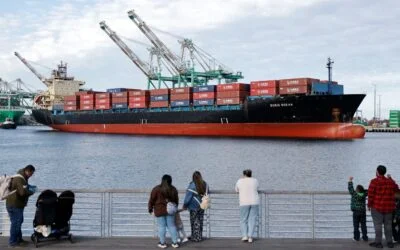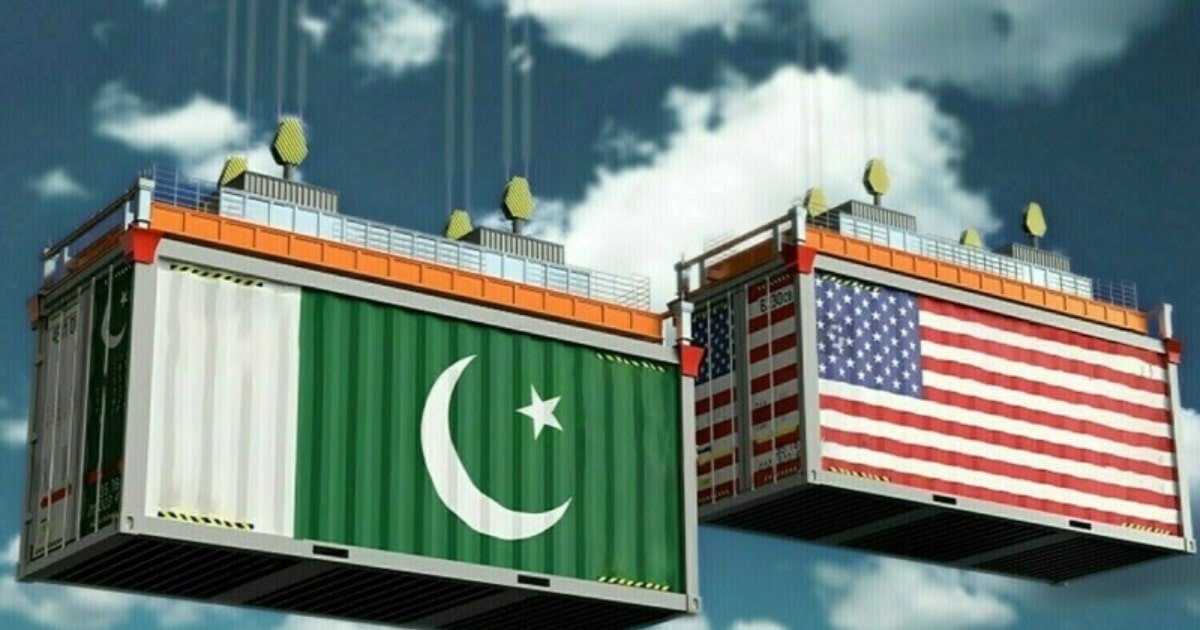





The United States’ sweeping import tariffs are projected to slash Pakistan’s exports to Washington by up to 30%, eroding competitiveness in key sectors like textiles and apparel, while triggering thousands of layoffs in industrial hubs such as Faisalabad, Karachi, and Lahore, according to a new joint report by the SAARC Chamber of Commerce & Industry (SCCI) and the South Asian Federation of Accountants (SAFA).
Price competitiveness of Pakistani textiles eroded as new US tariff regime lifts landed costs by up to 18%; report says Islamabad could offset losses by unlocking $2–3 billion in regional export potential
Read: https://t.co/ec3joI29EQ pic.twitter.com/zwxuZUVwzr
— Profit (@Profitpk) November 29, 2025
Titled Trading Beyond Borders, the assessment reveals that tariffs ranging from 20% to 35% have inflated landed costs for Pakistani goods by up to 18%, potentially causing annual revenue losses of $490 million and straining foreign exchange reserves. Pakistan’s exports to the US, which grew from $3.7 billion in 2014 to a peak of $4.3 billion in 2025—driven by labor-intensive industries—now face a 20–30% volume decline.
The report also highlights India’s severe exposure, with cumulative tariffs up to 50% on textiles, jewelry, and pharmaceuticals potentially reducing exports by 40% and sparking over $15.5 billion in capital outflows. Among SAARC nations, Sri Lanka faces the steepest hit at 44% tariffs, threatening its apparel sector, which relies on the US for over 40% of exports.
“These disproportionate impacts underscore South Asia’s overreliance on the US market for textiles, garments, and manufactured goods,” said SCCI President Md. Jashim Uddin. “Pakistan’s initial 29% tariff was reduced to 19% through diplomacy, but non-tariff barriers like inconsistent customs valuations, halal certification mandates, and Special 301 Watch List status continue to hinder access.”
SAFA President Ashfaq Yousuf Tola urged regional diversification: “Pakistan could unlock $2–3 billion in additional annual exports by boosting trade with India, Bangladesh, Sri Lanka, and GCC countries, leveraging SAFTA’s potential despite its 13.6% average tariffs and sensitive lists excluding 35% of goods.”
Recommendations include value addition, sustainable standards, improved logistics, and export financing. SAARC’s intra-regional trade—stagnant at 5–6% versus ASEAN’s 22–25% or EU’s 60%—must rise through streamlined customs and infrastructure.
You May Like To Read: Bangladesh Commission Finds Sheikh Hasina Orchestrated 2009 Mutiny Massacre, and Accuses India of Involvement
The report calls for urgent policy reforms to mitigate tariff shocks and foster resilience amid global trade disruptions.