




First Big Test for Japan’s First Female Leader
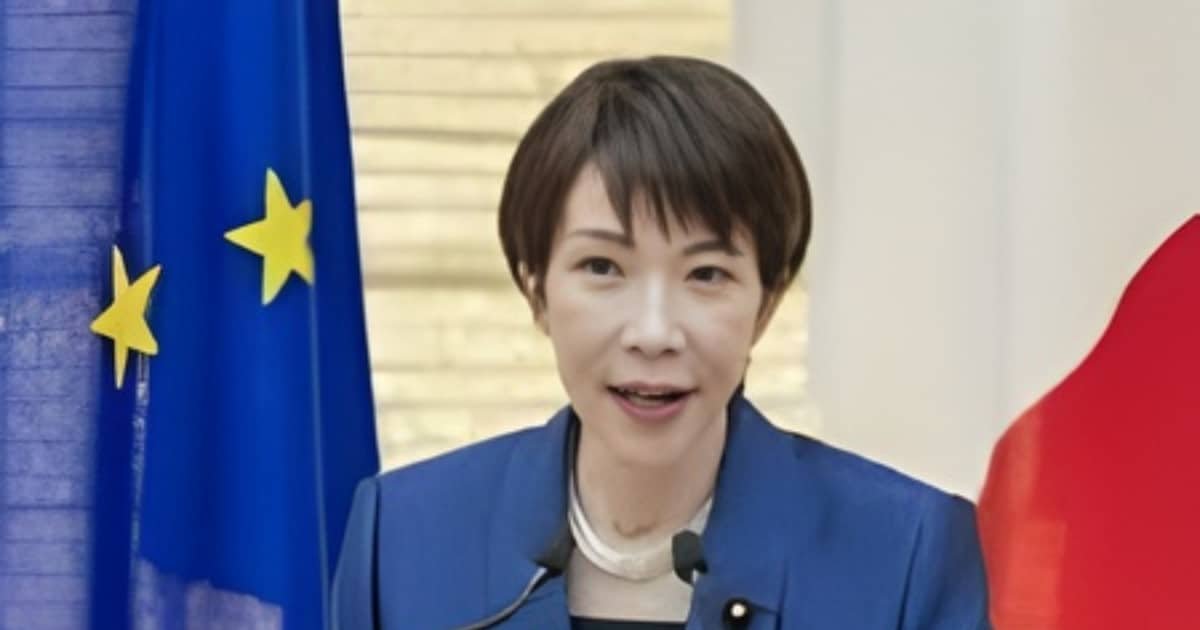
Japan’s Prime Minister Sanae Takaichi has announced she will dissolve parliament and call a snap general election, just three months after taking office. Speaking at a news conference on Monday, Takaichi said the lower house would be dissolved on January 23, with elections to be held on February 8.
The vote will decide all 465 seats in parliament’s powerful lower chamber and will be the first time voters judge her leadership since she became Japan’s first female prime minister. By calling an early election, Takaichi hopes to secure a clear mandate and strengthen her position within the ruling Liberal Democratic Party (LDP) and its coalition partners.
Breaking news: Japan’s prime minister Sanae Takaichi is to hold a snap general election, her coalition partner has said, as she seeks to convert her high public approval ratings into a clear majority https://t.co/ypTA6lXvEW pic.twitter.com/jiybhMbPig
— Financial Times (@FT) January 14, 2026
The decision comes at a time when public attention is focused on the economy and rising living costs. Recent polls show that nearly half of Japanese voters see inflation and prices as their top concern. A strong election result would give Takaichi greater freedom to push ahead with her spending plans and other policy priorities, while a weak showing could quickly undermine her authority so early in her term.
Economy, China Tensions and Regional Diplomacy
The snap election will also serve as a referendum on Takaichi’s approach to foreign policy and security. Relations with China have worsened in recent months, especially after her comments suggesting Japan could act if China attacked Taiwan. Beijing has responded by restricting exports of key goods to Japan, including rare earth materials vital for high-tech industries. Takaichi has since said she remains open to dialogue, but the diplomatic strain remains a concern for voters and businesses alike.
At the same time, Takaichi is trying to balance ties with key neighbours and allies. She recently hosted South Korea’s president to discuss security and economic cooperation, signalling her intent to play a more active regional role. Financial markets reacted positively to news of the election, with shares rising on hopes of political stability.
You May Like To Read: Machado Gifts Her Nobel Peace Prize to Trump: Symbolic Gesture vs. Nobel Rules
As Japan heads into a short but intense campaign, voters will decide whether Takaichi deserves a stronger mandate to lead the country through economic pressure and regional uncertainty.
Check out our latest video: